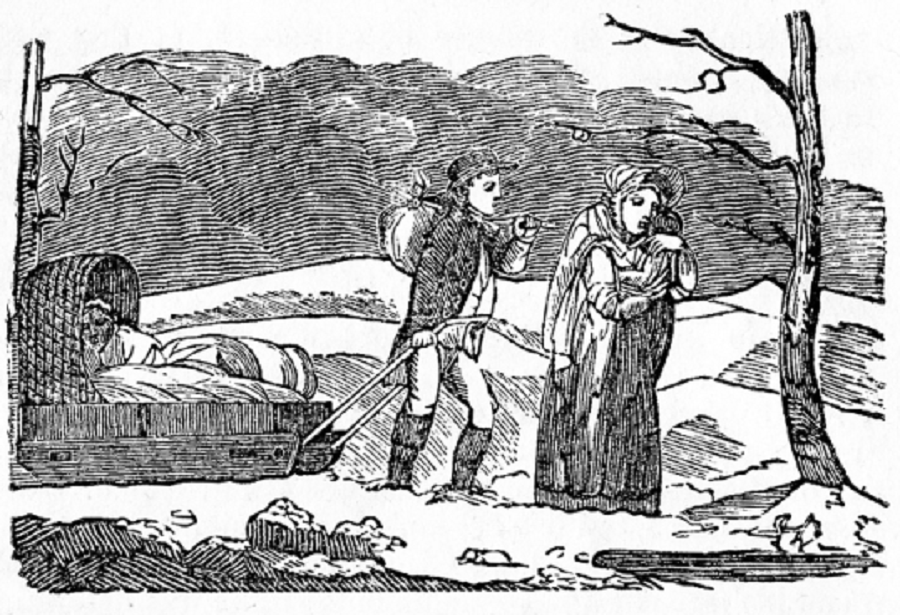
The “Year Without a Summer,” which occurred in 1816, stands as one of the most dramatic examples of short-term climate disruption in recorded history. This year was marked by unusual and extreme weather patterns that caused widespread crop failures, food shortages, and social unrest across the Northern Hemisphere. The phenomenon was primarily caused by the massive eruption of Mount Tambora in Indonesia on April 10 1815, one of the most powerful volcanic eruptions in recorded history. The ash and sulfur dioxide released into the atmosphere led to a temporary but significant cooling of global temperatures. This essay explores the causes, effects, and historical significance of the Year Without a Summer.
Causes of the Climate Anomaly
At the heart of the Year Without a Summer was the eruption of Mount Tambora. When Tambora erupted, it released an enormous quantity of volcanic ash and aerosols into the stratosphere. These particles spread around the globe and reflected sunlight away from the Earth, effectively cooling the planet’s surface. This phenomenon, known as a “volcanic winter,” is a natural result of such large eruptions. The global temperature drop in 1816 is estimated to have been around 0.4–0.7 °C (0.7–1.3 °F), a seemingly small change that nevertheless had dramatic consequences.
Global Effects and Consequences
The impact of the cooler temperatures was felt most acutely in North America, Europe, and parts of Asia. In New England and eastern Canada, snow fell in June, and killing frosts occurred in July and August. Crops such as corn, wheat, and potatoes failed repeatedly, leading to food shortages and skyrocketing prices. In Europe, already weakened by the aftermath of the Napoleonic Wars, the agricultural collapse led to famine, disease, and mass migration.
In China and India, the monsoon season was disrupted, causing floods and droughts that damaged rice production. Cholera outbreaks in India are believed to have been worsened by the changing weather patterns. Across the globe, people were pushed into crisis, and in many regions, 1816 became known as “Eighteen Hundred and Froze to Death.”
Cultural and Social impacts
Beyond the physical hardships, the Year Without a Summer also had profound cultural effects. In Europe, the dismal and gloomy weather inspired a group of young writers, including Mary Shelley, Percy Bysshe Shelley, and Lord Byron, who were staying in Switzerland during the summer. Confined indoors due to the cold and storms, they entertained each other with ghost stories. It was during this time that Mary Shelley began writing her iconic novel Frankenstein, a landmark of Gothic literature.
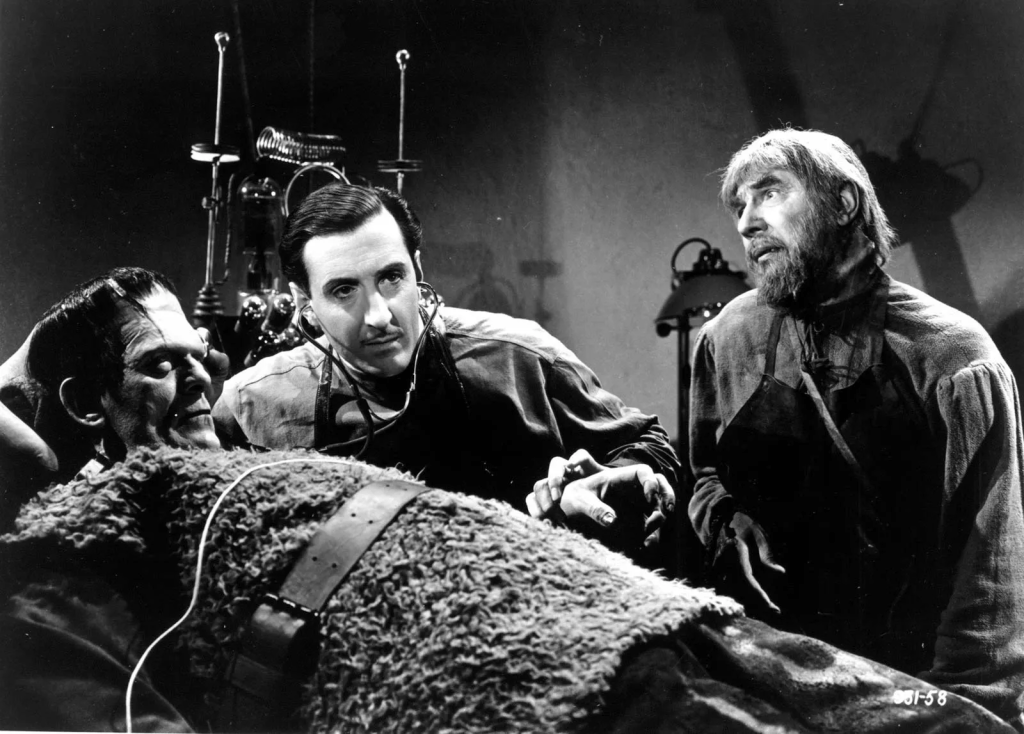
In June 1816, the “incessant rainfall” of a “wet, ungenial summer” forced Mary Shelley, Percy Bysshe Shelley, Lord Byron, John William Polidori, and their companions to remain indoors at the Villa Diodati during much of their stay in Switzerland. Seeking entertainment during their confinement, they read from a collection of German ghost stories. Inspired, Lord Byron proposed a challenge: each person would write the scariest tale they could imagine. The result was a remarkable burst of literary creativity—Mary Shelley began work on Frankenstein, while Byron penned “A Fragment,” which would later inspire Polidori’s The Vampyre, a foundational work in vampire fiction and a precursor to Dracula.
Those gloomy days inside the Villa, which Mary Shelley would later recall with a strange fondness, were marked by opium use and deep, often philosophical conversations. One night, after listening intently to a discussion about the nature of life and the principle of animation, Mary awoke from a vivid dream: she saw Victor Frankenstein kneeling beside his monstrous creation. From this vision, Frankenstein was born.
Byron, too, was moved by the eerie atmosphere of the season. He wrote the poem Darkness, inspired by a single apocalyptic day when, as he noted, “the fowls all went to roost at noon and candles had to be lit as at midnight.” The poem’s haunting imagery echoes the real-life conditions of the “Year Without a Summer”—a world shrouded in cold and darkness:
I had a dream, which was not all a dream.
The bright sun was extinguish’d, and the stars
Did wander darkling in the eternal space,
Rayless, and pathless, and the icy Earth
Swung blind and blackening in the moonless air;
Morn came and went—and came, and brought no day.
The climatic disaster also spurred technological innovation and migration. In the United States, many families left New England for the Midwest in search of more stable farming conditions, helping to spur westward expansion. In Europe, the hardships contributed to unrest that would eventually influence the political revolutions of the 19th century.
Lessons from the Year Without a Summer
The Year Without a Summer serves as a stark reminder of how interconnected the Earth’s systems are and how a single event can ripple across the globe. It highlights the importance of climate stability and the vulnerability of human societies to environmental disruptions. In today’s context, with concerns about climate change growing, the events of 1816 offer a historical parallel for how atmospheric changes—whether natural or anthropogenic—can lead to widespread consequences.
The Year Without a Summer was a convergence of natural catastrophe and human vulnerability, illustrating how a volcanic eruption on one side of the world can lead to famine, migration, and cultural shifts on the other. As we continue to grapple with environmental challenges in the modern age, this historical episode provides valuable insights into resilience, adaptation, and the profound impact of climate on human history.
sources
https://en.wikipedia.org/wiki/Year_Without_a_Summer
https://scied.ucar.edu/learning-zone/how-climate-works/mount-tambora-and-year-without-summer
https://www.thecollector.com/year-without-summer-happen-again-experts-say/
https://www.thecollector.com/year-without-summer-happen-again-experts-say/
Donation
Your readership is what makes my site a success, and I am truly passionate about providing you with valuable content. I have been doing this at no cost and will continue to do so. Your voluntary donation of $2 or more, if you are able, would be a significant contribution to the continuation of my work. However, I fully understand if you’re not in a position to do so. Your support, in any form, is greatly appreciated. Thank you. To donate, click on the credit/debit card icon of the card you will use. If you want to donate more than $2, just add a higher number in the box left from the PayPal link. Your generosity is greatly appreciated. Many thanks.
$2.00
 History of Sorts
Leave a comment