The BBC is one of the world’s most respected broadcasters and a pillar of British public life — which is exactly why its failures get so much attention when things go wrong. Below I’ve pulled together a chronological, readable guide to the BBC’s major scandals from the post-war period to the present. This is not an absolutely exhaustive list (the broadcaster’s 75+ year history contains many smaller controversies and internal inquiries), but it covers the headline crises that reshaped the corporation and public trust. Sources for key claims are shown inline.
A quick note on scope and sources
Because the BBC is huge and controversies often interlock with politics, policing and culture, I’ve focused on incidents that led to major inquiries, resignations, legal action, or sustained public debate. For a broader index of other disputes, the BBC controversies timeline is useful.
1) The Hutton Inquiry — Iraq dossier and the BBC (2003 → 2004)
In 2003 BBC reporter Andrew Gilligan broadcast claims that the UK government had “sexed up” the dossier on Iraqi WMDs. After the naming of Dr David Kelly as a source and his subsequent death, Lord Hutton’s public inquiry (published January 2004) harshly criticised BBC editorial processes while clearing the government of deliberate wrongdoing — prompting resignations at BBC leadership level. The episode prompted a major soul-searching moment about journalism, editorial checks and political pressure.
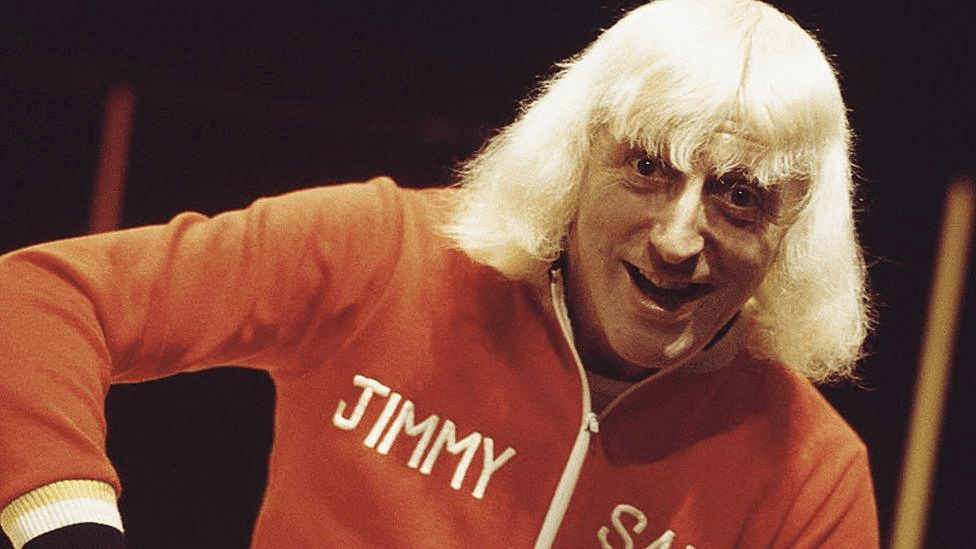
2) Jimmy Savile and historic sexual-abuse revelations (post-2011 fallout)
After Jimmy Savile’s death in 2011, extensive allegations emerged that he had abused dozens of victims, including on BBC premises and during BBC productions. Subsequent police and independent inquiries (including Dame Janet Smith’s work) documented dozens of victims and criticised a culture that allowed abuse to go unchallenged for years. That revelation led to internal reviews, apologies, compensation, and long-running inquiries into whether BBC staff or managers knew more than they admitted.
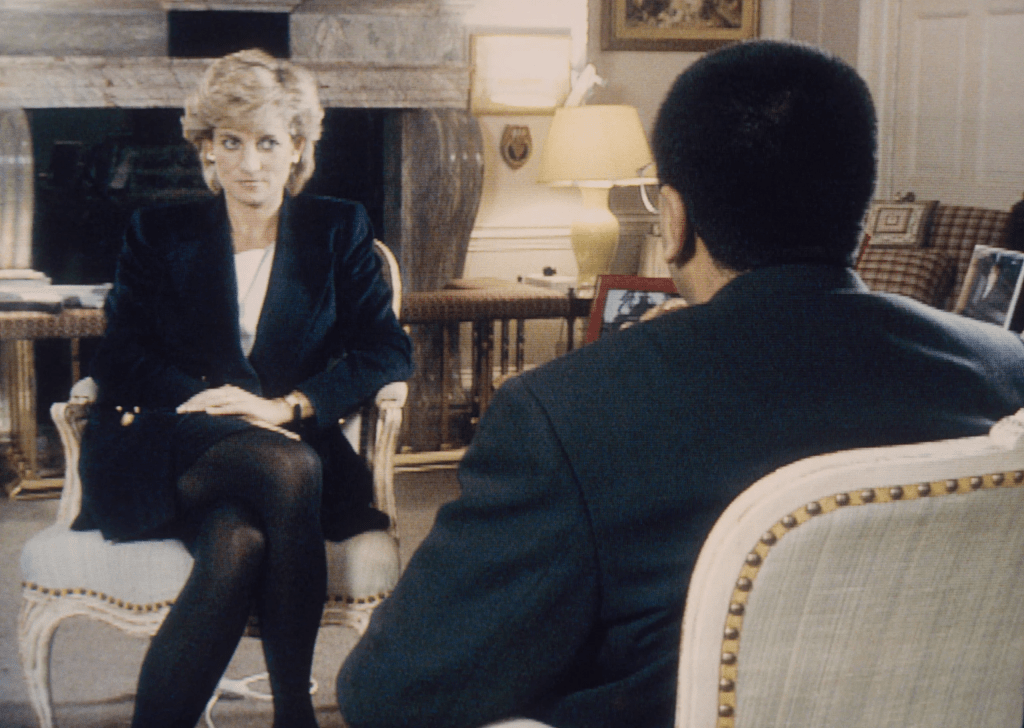
3) The Panorama / Martin Bashir — Princess Diana interview and the Dyson report (1995 → 2021)
Martin Bashir’s 1995 Panorama interview with Diana, Princess of Wales remains one of TV’s most famous moments — but investigations decades later found Bashir used forged documents and deceitful methods to gain access. A 2021 independent review by Lord Dyson described Bashir’s behaviour as deceitful and criticised BBC management’s handling, prompting public apologies and renewed debate about ethics in investigative journalism.
4) Newsnight and the false McAlpine implication (2012) — leadership crisis
In late 2012 a Newsnight segment that sought to investigate historic abuse issues wrongly (and indirectly) implicated Lord McAlpine. The story collapsed, the BBC apologised and paid damages; the resulting fallout contributed to the resignation of Director-General George Entwistle and another serious review of editorial safeguards. The McAlpine episode arrived while the Savile scandal was already roiling the organisation, worsening the governance crisis.
5) Top Gear / Jeremy Clarkson (2015)
The BBC’s flagship motoring show Top Gear repeatedly attracted controversy for offensive comments and stunts over the years. In March 2015 Jeremy Clarkson was suspended after an altercation in which he punched a producer; an internal probe concluded the producer had been the victim and the BBC chose not to renew Clarkson’s contract. The incident provoked huge public reaction and led to the eventual departure of Clarkson’s co-hosts and a major reboot of the show.
6) Gender pay gap and transparency row (2017–2018)
In 2017 the BBC published lists of on-air salaries (policy under the royal charter) and the imbalance — many more men among the highest earners — sparked public anger. China editor Carrie Gracie resigned in protest over unequal pay in January 2018, prompting parliamentary scrutiny and policies to address pay parity and transparency. The row exposed structural issues in recruitment, pay negotiation and corporate culture.
7) Gary Lineker, impartiality and the 2023 row; Chair Richard Sharp (2023)
In March 2023 presenter Gary Lineker was briefly stood down after tweeting criticism of government asylum policy; the episode escalated into industrial-action-style support from colleagues and a wider debate about impartiality rules for high-profile presenters. Shortly afterwards, BBC chair Richard Sharp resigned after inquiries found he had failed to declare links related to a loan to then-Prime Minister Boris Johnson — a perceived conflict that damaged public confidence in governance at the top. Both episodes underlined how editorial impartiality, governance and political entanglement remain live risks for the BBC.
8) Other notable controversies and recurring themes
Beyond the above standouts, the BBC has weathered many other public controversies: programming judged inaccurate or offensive; mistakes in international reporting; outsourcing and contracting failures (e.g., IT contracts and the Digital Media Initiative); complaints about impartiality or editorial judgment on big foreign policy stories; and numerous presenter missteps that created headlines. For a timeline of many such items, see the BBC controversies overview.
9) Panorama documentary & the edited Trump speech
What happened
- In October 2024 the BBC aired a Panorama documentary (often cited as titled Panorama: “Trump: A Second Chance?”) that included a speech by Donald Trump from 6 January 2021. According to a leaked internal memo by former BBC standards adviser Michael Prescott, the programme spliced together separate parts of the speech to give the impression that Trump was urging supporters to march on Congress and “fight like hell.”
- The BBC admitted the editing gave a “misleading impression”.
- In response, the BBC’s Director-General Tim Davie and News Chief Deborah Turness resigned in November 2025 over the crisis.
- Trump has threatened legal action: a US court filing is being prepared demanding a retraction, apology and significant compensation (reported at US$1 billion) from the BBC.
Why it matters
- It strikes at the core of the BBC’s remit of impartial and accurate journalism: the alleged editing error wasn’t simply a mistake, but one that materially changed the meaning of a major political speech.
- It has global implications: U.S. politics, election interference concerns, and the BBC’s role as a global broadcaster are all involved.
- The resignations of senior management underscore the severity of the crisis for the institution.
- Public trust in the BBC is at stake, especially given that the BBC is funded by UK public licence-fee payers and is expected to be a neutral, reliable voice.
Key details & timeline
- January 6 2021: Trump gives a speech and later a mob storms the U.S. Capitol.
- October 2024: Panorama documentary airs featuring edited segments of the speech.
- Early 2025: Internal concerns raised at the BBC regarding the edit and other coverage.
- November 2025: Leaked memo by Prescott circulates in the press. Resignations of Davie and Turness announced.
Implications for the BBC
- The Charter renewal negotiations for the BBC are now under extra pressure because this crisis adds a reputational risk.
- The BBC will need to review its editorial processes, fact-checking, documentary production oversight and the role of the flagship Panorama brand.
- Damage control: The BBC has apologised and said it will review the matter, but many observers argue they must go further.
- Legal risk: The potential lawsuit by Trump poses financial and reputational risk.
10). BBC Arabic and alleged bias in Middle East / Gaza coverage
What happened
- Alongside the Panorama issue, criticism has been mounting of BBC Arabic’s coverage of the Israel-Gaza conflict. According to internal documents and a whistle-blower memo:
- BBC Arabic is alleged to have given “unjustifiable weight” to statements from Hamas while downplaying or omitting Israeli casualty or hostage narratives.
- The memo states that BBC Arabic “minimised Israeli suffering”, reported casualty numbers without adequate verification, and had a “desire always to believe the worst about Israel”.
- The independent media watchdog Committee for Accuracy in Middle East Reporting and Analysis (CAMERA) published a report accusing BBC Arabic of “anti-Israel bias, toxic antisemitism and the promotion of Hamas propaganda”.
- In June 2025 the BBC withdrew a Gaza-medics documentary titled Gaza: Doctors Under Attack after determining that its broadcast would create a “perception of partiality”.
Why it matters
- BBC Arabic is part of the BBC’s World Service network and reaches a huge Arabic-speaking audience; any systemic bias there undermines the corporation’s global credibility.
- It suggests a potential structural or cultural problem within the BBC regarding how it handles foreign conflicts, language services, editorial oversight and translation practices.
- It raises questions of fairness and balance in reporting: if one language service of the same organisation offers a significantly different tone or set of facts from another, public trust can erode.
- It has political implications: When coverage is alleged to favour one side in a deeply divisive international conflict (Israel-Palestine), governments and audiences take note; in the UK context this means potential pressure on the licence fee and the BBC’s funding.
Key details & timeline
- February 2025: It emerged the BBC had aired a documentary whose narrator was the son of a Hamas official, which triggered internal review.
- March 2025: The CAMERA report and parliamentary letter by UK ministers raised concerns about BBC Arabic’s bias.
- November 2025: The same leaked Prescott memo referencing BBC Arabic’s coverage is connected to the overall Panorama/impairment crisis.
Implications for the BBC
- Significant structural review–BBC may need to overhaul BBC Arabic’s governance, editorial checks, translation standards and oversight by senior management.
- Risk of eroded trust in BBC’s foreign-language services, which may impact audience reach and influence in the Arab world.
- Domestic fallout: UK politicians may use these failures to call into question BBC funding and the licence fee model.
- Brand risk: The BBC’s global reputation for impartiality and trust could be weakened if these language-service disparities are seen as systemic rather than isolated.
Here are key items to monitor (and things the BBC will likely need to address):
- Independent review: Will the BBC commission a truly independent inquiry into both Panorama’s editing of the Trump speech and BBC Arabic’s alleged bias? Internal reviews alone may not satisfy critics.
- Transparency and remediation: How will the BBC publish corrections, offer apologies, and what compensation or redress might be offered (especially if legal action proceeds)?
- Governance reform: Are changes coming to the BBC’s editorial standards committee, oversight of documentaries, and checks for translation/foreign‐language services?
- Charter/ licence fee impact: With these scandals fresh, will the upcoming BBC Charter renewal negotiations become harder? Will political pressure increase?
- Language service oversight: How will the BBC ensure that services like BBC Arabic (and other non-English services) adhere to the same standards of impartiality and fact-checking as the English services?
- Impact on the BBC’s brand and audience trust: What will the metrics show for audience trust, ratings, global perception of the BBC, and will advertisers/partners respond?
sources
https://malaysia.news.yahoo.com/timeline-chaos-bbc-string-scandals-124239209.html
https://malaysia.news.yahoo.com/timeline-chaos-bbc-string-scandals-124239209.html
https://www.theguardian.com/world/2025/jun/20/bbc-gaza-medics-documentary-impartiality-coverage
https://www.ft.com/content/ccc0ec9a-aba6-4380-aeaa-ffe5fe803578
https://en.wikipedia.org/wiki/BBC_controversies
https://www.theguardian.com/media/2012/nov/09/newsnight-lord-mcalpine-abuse-allegations
https://www.bbc.com/news/articles/ce9d5m54350o
https://www.telegraph.co.uk/news/2025/11/06/read-devastating-internal-bbc-memo-in-full/
https://en.wikipedia.org/wiki/Hutton_Inquiry
https://time.com/4237046/bbc-sexual-abuse-savile-hall-report/
https://www.gbnews.com/news/bbc-hamas-lies-minimise-israeli-suffering-gaza-documentary

 History of Sorts
Leave a comment