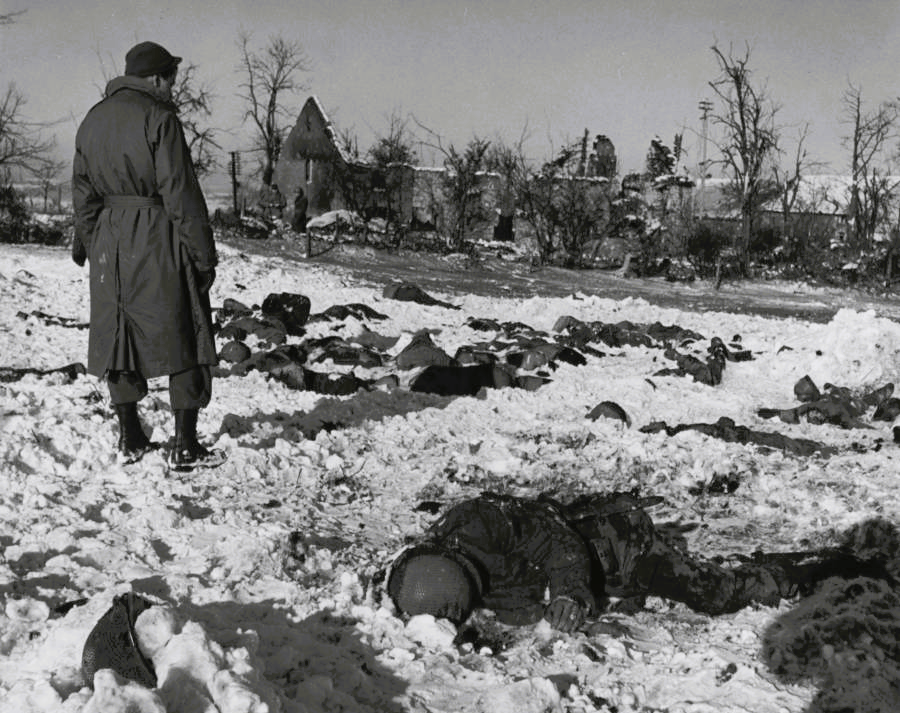
The Malmédy Massacre:
A Tragedy of War and the Story of Survival
The Malmédy Massacre, which occurred during the Battle of the Bulge on December 17, 1944, stands as one of the most heinous war crimes committed by German forces during World War II. This event, marked by the ruthless execution of unarmed American prisoners of war (POWs) by soldiers of the Waffen-SS, shocked the world and became a lasting symbol of wartime atrocities. Among the handful of survivors was Corporal Theodore “Ted” J. Paluch, a 22-year-old artilleryman whose remarkable story of survival offers a deeply personal window into this tragic episode.
The Context of the Malmédy Massacre
The Battle of the Bulge, the last major German offensive on the Western Front, was launched by Adolf Hitler to break through the Allied lines in the Ardennes Forest and capture the vital port of Antwerp. It was a desperate gamble designed to turn the tide of the war in Germany’s favor. One of the key spearheads of this offensive was Kampfgruppe Peiper, a highly mobile armored group commanded by SS Lieutenant Colonel Joachim Peiper.
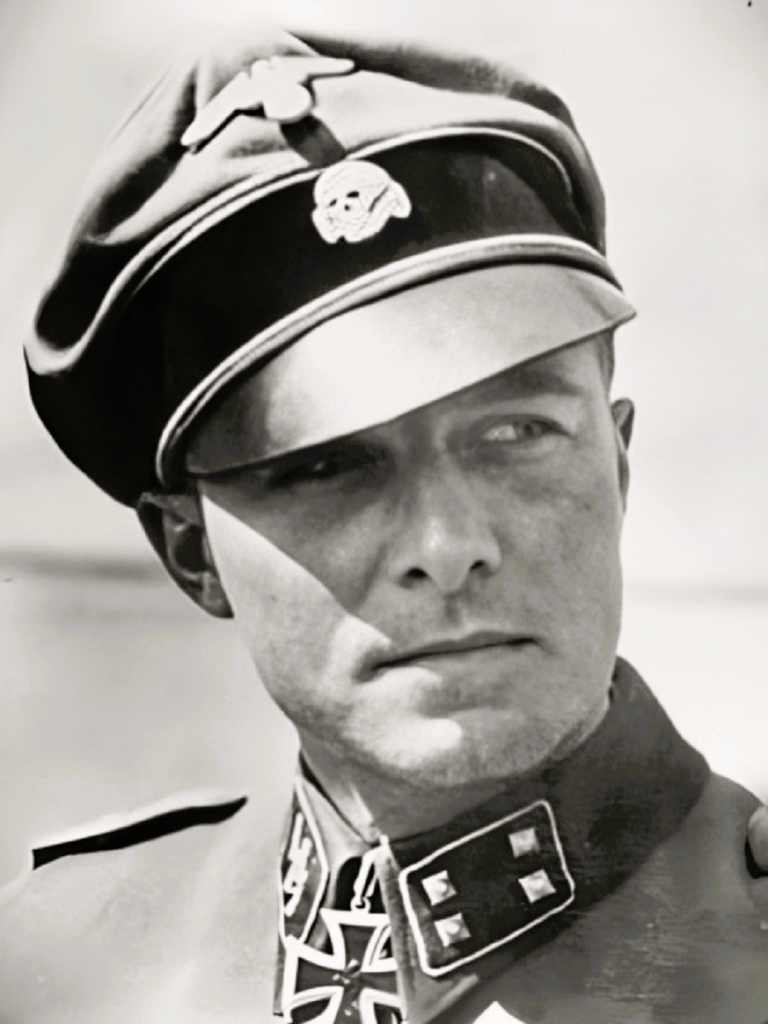
On the second day of the battle, Peiper’s forces encountered a column of American troops near the Baugnez crossroads, just outside Malmédy, Belgium. These troops, primarily from Battery B of the 285th Field Artillery Observation Battalion, were lightly armed and quickly surrounded. Recognizing their hopeless situation, over 80 Americans surrendered, believing the Germans would treat them according to the conventions of war. Instead, they fell victim to one of the worst atrocities of the conflict.
The Massacre
The captured American soldiers marched into an open field, their hands raised in submission. Initially, the Germans appeared to be organizing them, but suddenly, SS troops opened fire with machine guns. Chaos erupted as the unarmed prisoners were mowed down in cold blood. Those still alive after the initial barrage were systematically executed by the SS with pistols or shot while attempting to flee.
Among the Americans caught in this horrific event was Corporal Ted Paluch, who was only 22 years old at the time. Paluch and his comrades had surrendered without resistance, expecting humane treatment. Instead, they found themselves in the middle of a massacre.
Paluch later recalled hearing the chilling sound of machine-gun fire and the screams of his fellow soldiers. Struck by shrapnel, he fell to the ground, playing dead among the growing pile of bodies. His survival instincts and quick thinking saved him from certain death. Lying still in the bitter cold, Paluch endured hours of agony, feigning death even as German soldiers moved among the bodies, shooting any sign of life. When the SS troops finally left the field, Paluch and a few others managed to crawl to safety and report the atrocity to Allied forces.
At just 22 years old, Corporal Theodore “Ted” J. Paluch survived one of the most harrowing atrocities of World War II: the Malmédy Massacre.
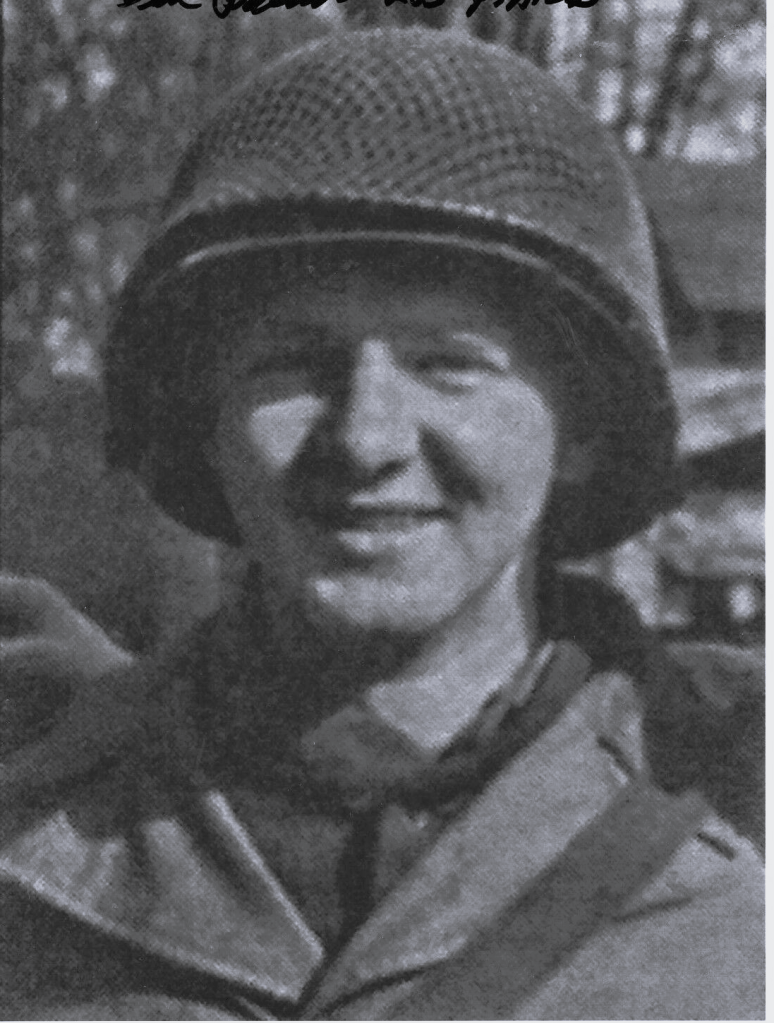
Ted had been serving with “Battery B” of the 285th Field Artillery Observation Battalion since mid-1944. He endured the brutal battles of the Hürtgen Forest, only to be reassigned to the town of St. Vith, Belgium. During this movement, the Waffen-SS ambushed his convoy.
Cpl. Ted Paluch, T/4 Irwin Sheetz, and Pvt. R.L. Smith were riding in a weapons carrier approximately fifty yards south of a key crossroads. Initially, they believed they were under attack from an air raid due to the sound of intense gunfire. Exiting their truck, they sought cover in a small ditch. Moments later, they saw a panzer tank’s muzzle pointed directly at them. Recognizing the futility of running, they surrendered.
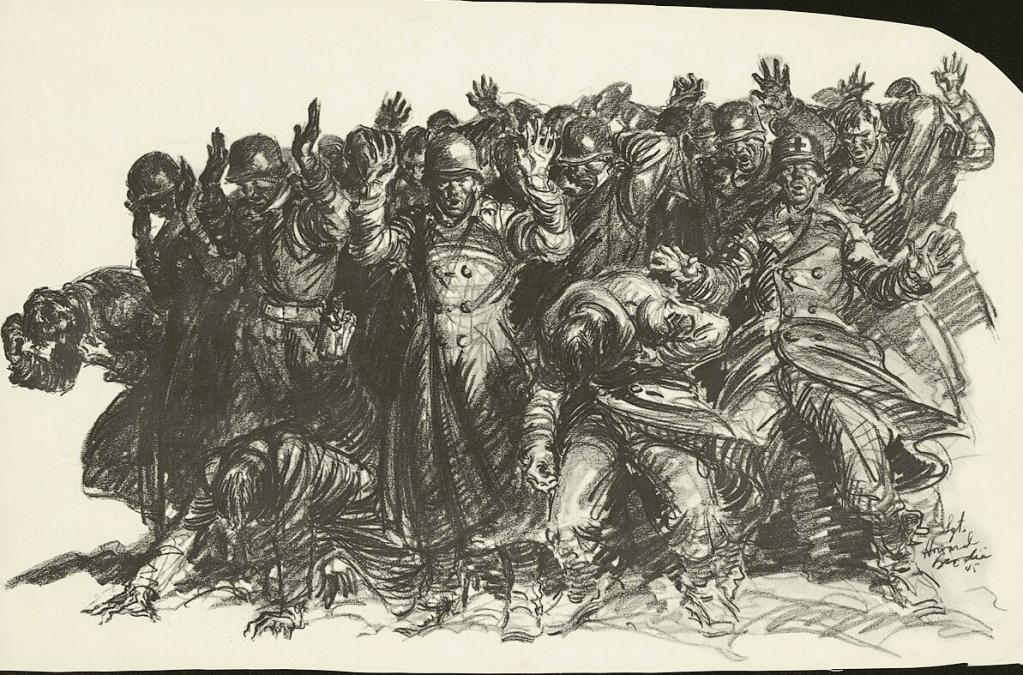
Within minutes, they joined other captured soldiers, all with their hands raised. The Waffen-SS ordered the prisoners to climb a fence and assemble in a nearby field, where SS soldiers began to search them, confiscating cigarettes, gloves, watches, and other valuables. By 2:00 PM, around 140 American POWs were gathered in the field. The bitter cold added to their misery; temperatures hovered around 32°F, with icy patches scattered on the ground. Many struggled to keep their aching arms raised after holding them up for so long.
Suspicion grew when the men noticed a German SPW (a type of armored vehicle) positioning its cannon toward the assembled POWs. A German command car soon arrived, and an SS officer inside stood up, drew his pistol, and executed two Americans—a medic and an officer. Chaos erupted as machine guns opened fire on the prisoners. Many soldiers instinctively dropped to the ground, hoping to avoid the hail of bullets. The firing lasted two to three minutes, wounding or killing many. The field filled with cries of anguish as the gravely injured called out for their mothers or God.
When the gunfire ceased, SS soldiers moved through the field, systematically executing those who showed signs of life. Paluch, grazed by a bullet on his right hand, lay still, pretending to be dead. As darkness fell, he heard footsteps and voices—likely German soldiers finishing off survivors—but they passed him by.
Taking advantage of the cover of night, survivors began planning their escape. Paluch, along with some wounded comrades, made his move. Heading northwest, he crossed farmland and dashed across an open field. A German soldier spotted him and fired, narrowly missing as Paluch dove into a hedgerow. Pretending to be dead once more, he evaded capture. The soldier eventually abandoned the pursuit.
Paluch pressed on, following railroad tracks until he reunited with two of his fellow soldiers. Together, they made their way back to Malmédy by sticking to the tracks.
Theodore J. Paluch, born December 4, 1922, lived to the age of 92. He passed away on August 8, 2015. His resilience and courage are a testament to the enduring spirit of those who served.
The Aftermath
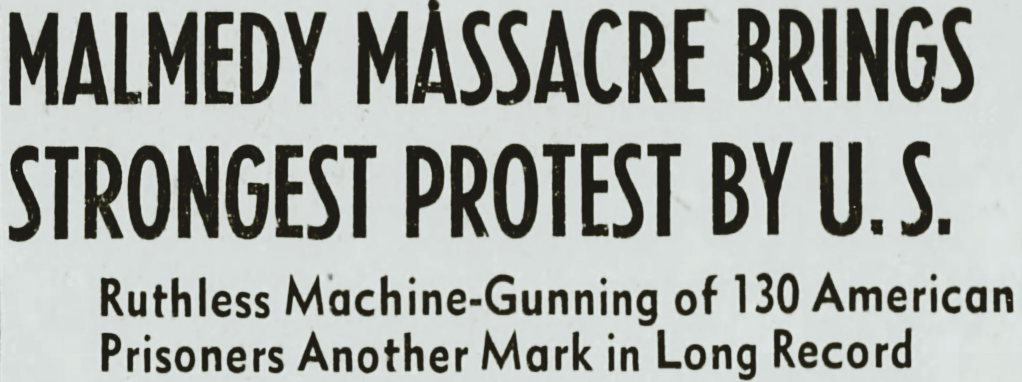
The massacre at Malmédy sent shockwaves through the Allied ranks. As advancing units discovered the frozen bodies of the victims, the scale of the atrocity became evident. Survivors like Ted Paluch provided firsthand accounts, describing the unprovoked violence and barbarity of the Waffen-SS. Their testimonies spurred Allied commanders to redouble their efforts against the German offensive while also serving as grim reminders of the stakes of the war.
After the war, the Malmédy Massacre became a focal point of the trials for Nazi war crimes. In 1946, an American military tribunal tried Joachim Peiper and other members of Kampfgruppe Peiper at Dachau. Peiper and several SS soldiers were sentenced to death, though the Allies commuted many of these sentences later to life imprisonment. The leniency shown in the aftermath of these trials sparked controversy and left lingering questions about justice for the victims.
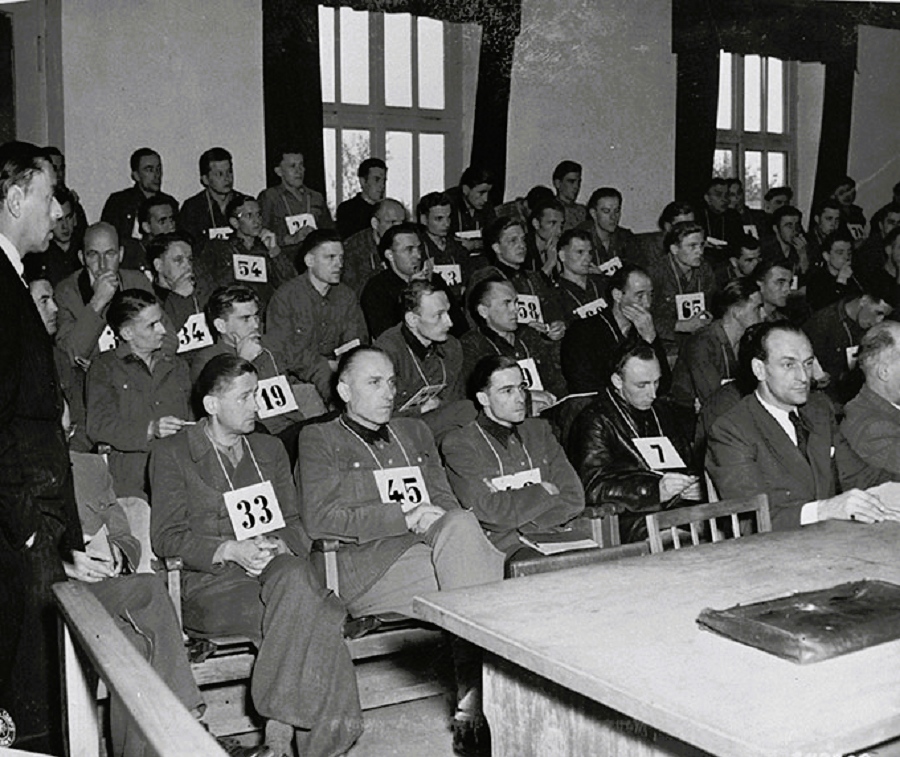
On July 16, 1946, the military tribunal for the Malmédy Massacre Trial convicted Joachim Peiper of war crimes and sentenced him to death by hanging. However, under the judicial process of the U.S. Army, all death sentences were subject to automatic review by the U.S. Army Review Board. In October 1947, some death sentences for Nazi war criminals were commuted to long-term imprisonment. In March 1948, General Lucius D. Clay, the U.S. military governor of Occupied Germany, conducted a further review of 43 death sentences. He upheld the legality of 12, including Peiper’s.
In 1951, amidst political lobbying for the rehabilitation of Waffen-SS Colonel Peiper, ex-General Heinz Guderian expressed his frustration in a letter to a correspondent:
“At the moment, I’m negotiating with General Handy [in Heidelberg] because [he] wants to hang the unfortunate Peiper. McCloy is powerless because the Malmédy trial is being handled by EUCOM [European Command] and is not subordinate to McCloy. As a result, I have decided to cable President Truman and ask him if he is familiar with this idiocy.”
The political pressures surrounding the case led to judicial reviews of the trial verdicts. In 1948, some death sentences from the Malmédy trial were commuted to life imprisonment. Peiper’s death sentence was commuted to life in 1951 and further reduced to 35 years in 1954. On December 22, 1956, he was released on parole. When informed of his release by two U.S. soldiers, Peiper was reportedly so shocked that he silently stared at them in disbelief.
Peiper’s early release and reintegration into civilian life were facilitated by a network of former SS members, who lobbied on his behalf and arranged employment opportunities. The Mutual Aid Community of Former Members of the Waffen-SS (HIAG) helped secure work for Peiper’s wife near Landsberg Prison, where he had been held. Upon his release, Peiper himself gained employment at Porsche, thanks to the political influence of Albert Prinzing, a former official in the Sicherheitsdienst (SD) security service.
Sources
https://encyclopedia.ushmm.org/content/en/article/the-malmedy-massacre
https://maint.loc.gov/rr/frd/Military_Law/Malmedy_investigation.html
https://www.nationalww2museum.org/war/articles/malmedy-massacre
https://www.nationalww2museum.org/war/articles/justice-after-1944-malmedy-massacre
https://www.findagrave.com/memorial/150719628/theodore-james-paluch
https://www.liberationroute.com/stories/23/joachim-peiper
https://en.wikipedia.org/wiki/Joachim_Peiper#Battle_of_the_Bulge
Donation
Your readership is what makes my site a success, and I am truly passionate about providing you with valuable content. I have been doing this at no cost and will continue to do so. Your voluntary donation of $2 or more, if you are able, would be a significant contribution to the continuation of my work. However, I fully understand if you’re not in a position to do so. Your support, in any form, is greatly appreciated. Thank you. To donate, click on the credit/debit card icon of the card you will use. If you want to donate more than $2, just add a higher number in the box left from the PayPal link. Your generosity is greatly appreciated. Many thanks.
$2.00
Special thanks to Norman Stone for pointing out the story of Corporal Theodore “Ted” J Paluch to me

 History of Sorts
Leave a comment