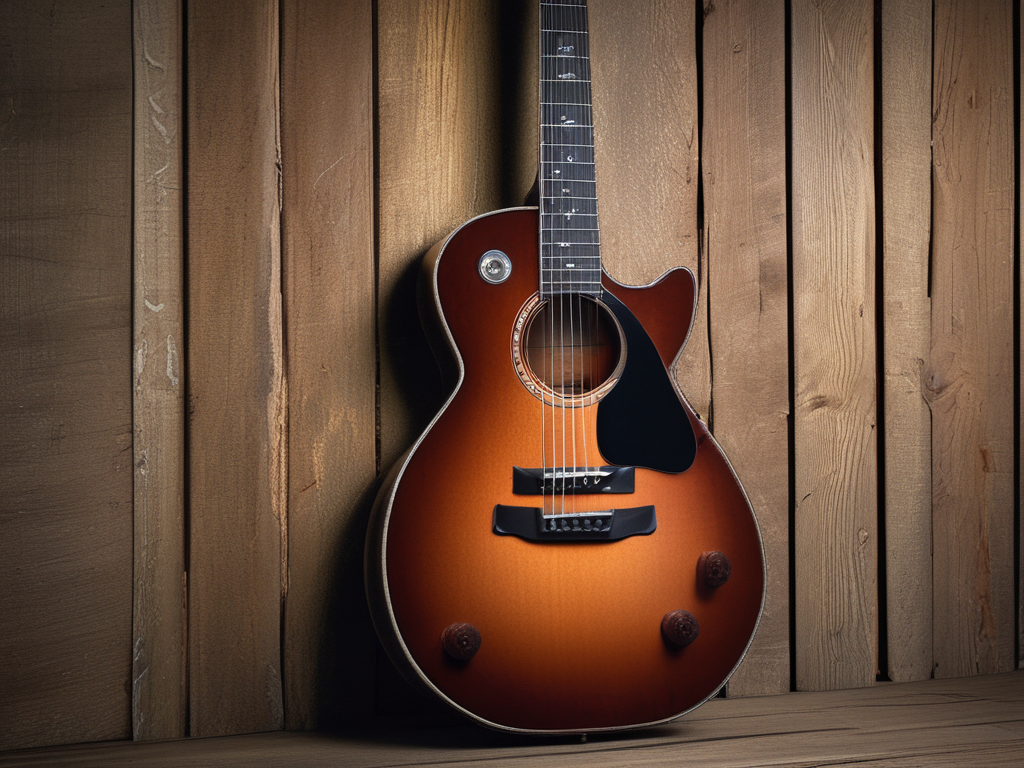
Some people who read my blog regularly, might think this is an odd piece. However, aside from history my other passion is music, and specifically guitar music I do play guitar myself.
The history of the guitar is rich and spans several millennia, evolving through different cultures and technological advancements. Here’s an overview of its development:
Ancient Roots
- Ancient Instruments: The guitar’s origins can be traced back to ancient instruments such as the tanbur, a stringed instrument used in Mesopotamia over 4,000 years ago. Other similar instruments included the Egyptian nefer and the Greek kithara.
- Medieval Europe: By the early medieval period, the oud, brought to Spain by the Moors, significantly influenced the development of the guitar. The lute, prevalent in medieval Europe, also shares common ancestry with the guitar.
Renaissance and Baroque Periods
- Renaissance Guitar (15th-17th centuries): The Renaissance guitar, or vihuela in Spain, was a small, four-course (four sets of double strings) instrument. It was popular in Spain, Italy, and France.
- Baroque Guitar (17th-18th centuries): This period saw the guitar evolve to a five-course instrument, often tuned to A-D-G-B-E. The baroque guitar had elaborate decorations and was a favored instrument among European aristocracy.
Classical Period
- Classical Guitar (18th-19th centuries): The guitar continued to evolve, becoming the six-string instrument we recognize today. Important figures include Antonio de Torres, a 19th-century Spanish luthier whose designs standardized the size, shape, and construction of the modern classical guitar. His innovations included a larger body and fan bracing, improving volume and tone.
20th Century and Modern Times
- Acoustic Guitar: The steel-string acoustic guitar emerged in the late 19th and early 20th centuries, becoming a staple in folk, blues, country, and early rock music. American luthier C.F. Martin was pivotal, introducing X-bracing to support the tension of steel strings.
- Electric Guitar: The invention of the electric guitar in the 1930s revolutionized music. Pioneers like George Beauchamp and Adolph Rickenbacker developed the first electromagnetic pickups, leading to the Rickenbacker “Frying Pan,” the first commercially produced electric guitar.
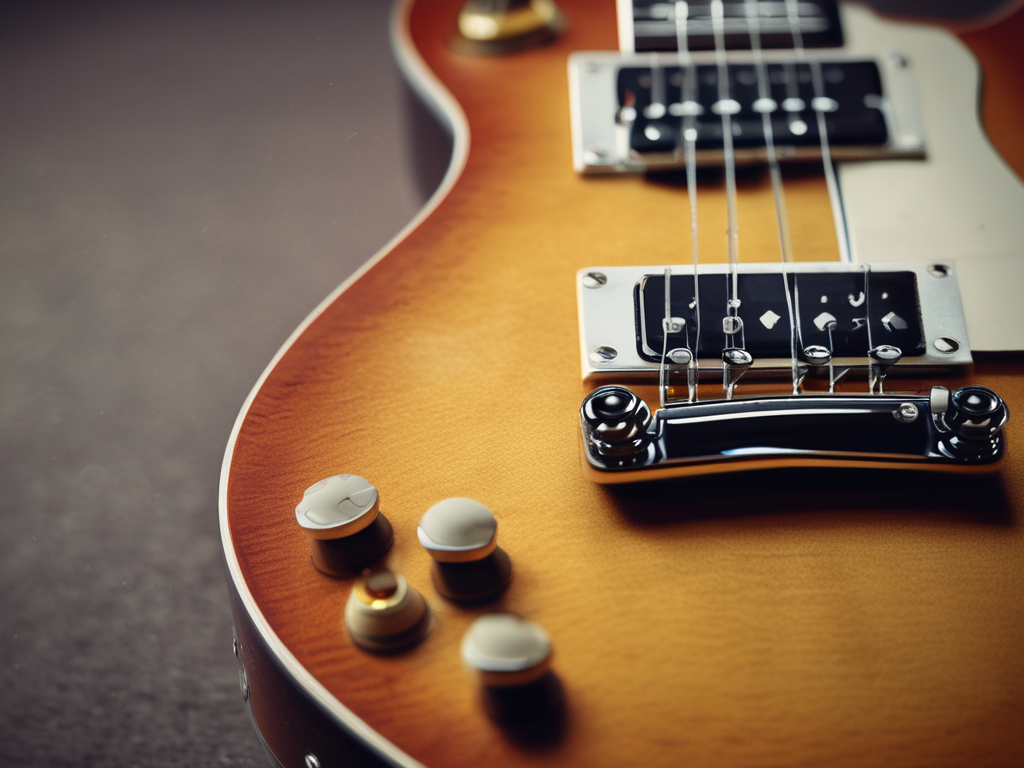
- Solid-Body Electric Guitar: In the 1940s, Les Paul and Leo Fender further advanced electric guitar technology. Fender’s Broadcaster (later renamed Telecaster) and the Stratocaster became iconic. Gibson’s Les Paul model, introduced in 1952, also became legendary.
Cultural Impact
- Musical Styles: The guitar has been integral to various music genres, from classical and flamenco to jazz, blues, rock, and pop. Icons like Andrés Segovia, Jimi Hendrix, and Paco de Lucía have pushed the boundaries of guitar playing and inspired countless musicians.
- Global Influence: Today, the guitar is a global instrument, embraced by diverse cultures and adapted to numerous musical traditions. Its versatility and expressive potential continue to evolve with technological advancements and creative exploration.
The guitar’s journey from ancient stringed instruments to its modern electric and acoustic forms highlights its adaptability and enduring appeal. Each historical period contributed to its refinement, making it one of the most popular and influential instruments in the world today.
Finishing up with one of my favourite guitar pieces.
sources
https://stringjoy.com/history-of-the-guitar/
https://www.yamaha.com/en/musical_instrument_guide/classical_guitar/structure/
Donation
I am passionate about my site and I know you all like reading my blogs. I have been doing this at no cost and will continue to do so. All I ask is for a voluntary donation of $2, however if you are not in a position to do so I can fully understand, maybe next time then. Thank you. To donate click on the credit/debit card icon of the card you will use. If you want to donate more then $2 just add a higher number in the box left from the PayPal link. Many thanks.
$2.00
 History of Sorts
Leave a comment