
BBC 4 was showing ‘Beethoven’s Ninth Unwrapped’ last night to celebrate the 200th anniversary of Ludwig van Beethoven’s extraordinary piece. Aurora Orchestra took to the stage at the Royal Albert Hall with a signature memorised performance, led by conductor Nicholas Collon, and a dramatic exploration into the intricacies of the music and the maestro.
The masterpiece was composed in the midst of Beethoven’s hearing loss, illness and personal tragedy. A big part at the start of the Proms performance was dedicated to Ludwig’s nephew. Karl.
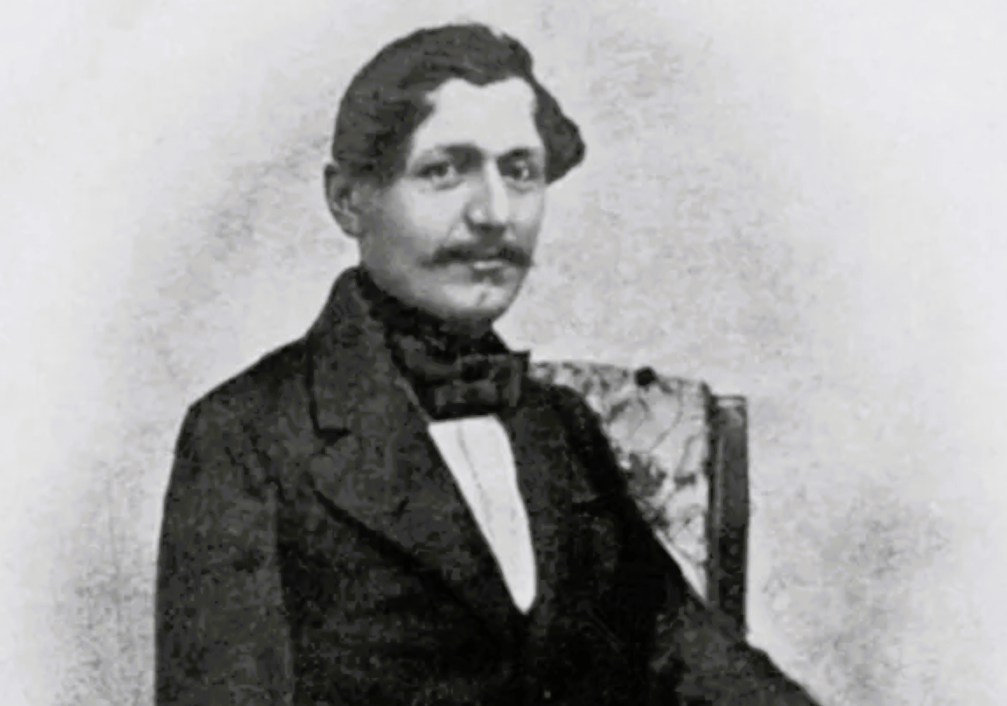
Karl van Beethoven (1806–1858) was the nephew of the famous composer Ludwig van Beethoven. His life story is deeply intertwined with his uncle’s life. It is often seen as a tragic and dramatic chapter in the composer’s later years.

Background
Karl was born on September 4, 1806, the son of Ludwig van Beethoven’s brother, Kaspar Anton Karl van Beethoven, and Johanna van Beethoven. From the beginning, Karl’s life was marked by family tension. Ludwig never approved of his brother’s marriage to Johanna, considering her immoral and unfit to be a mother. When Kaspar died of tuberculosis in 1815, the conflict between Ludwig and Johanna escalated into a bitter legal battle over Karl’s custody, then only nine years old.
Custody Battle
Kaspar’s dying wish was that Ludwig would serve as Karl’s co-guardian along with Johanna. However, Ludwig sought to gain full custody of Karl, believing that Johanna was a bad influence. The legal struggle dragged on for several years, during which Ludwig became deeply obsessed with his nephew’s upbringing. In 1820, after much legal maneuvering and influence from high-ranking friends, Ludwig won custody. The court even designated him as Karl’s “sole legal guardian.”
Ludwig van Beethoven’s custody battle over his nephew Karl van Beethoven is one of the most dramatic and emotionally intense episodes in the composer’s life. This legal struggle, which lasted several years, highlights Ludwig’s fierce devotion to his nephew but also reveals the darker sides of his personality, including his obsessive and controlling nature.
Background: The Family Dynamics
Karl van Beethoven was born in 1806 to Kaspar Anton Karl van Beethoven, Ludwig’s brother, and Johanna van Beethoven. Ludwig, who was extremely protective of his family, had a low opinion of Johanna, Karl’s mother. He considered her immoral and unfit to raise a child, primarily because of her earlier conviction for theft and her perceived unsavory character. When Kaspar died of tuberculosis in 1815, Ludwig became determined to take control of Karl’s upbringing.
Kaspar’s will complicated matters. On his deathbed, Kaspar expressed his wish that both Ludwig and Johanna be co-guardians of Karl. However, Ludwig refused to honor this request and immediately sought full custody of his nephew, convinced that Karl’s welfare would be better secured under his care.

The Legal Battle
The custody battle began shortly after Kaspar’s death. It would consume much of Ludwig’s energy and focus for the next several years. The dispute was taken to court, where the primary question was whether Johanna, as Karl’s mother, should retain guardianship or whether Ludwig, as the boy’s uncle and a prominent public figure, should be granted custody.
Ludwig did not hesitate to use his social standing and influence to sway the legal process in his favor. He appealed to his friends in high places, including the nobility and the court system, to support his case. Over the course of the battle, numerous legal attacks were launched against Johanna, painting her as unfit, negligent, and even criminal. He went so far as to accuse her of moral depravity and claimed that she had a negative influence on Karl’s character.
Johanna, for her part, fought back. She defended her rights as Karl’s mother and resisted Ludwig’s attempts to paint her in a negative light. The battle became highly personal and public, with both sides digging in for a prolonged fight.
In 1820, after five years of legal wrangling, Ludwig finally won sole legal custody of Karl. The courts ruled in his favor, partly because of his social connections and partly because of the relentless pressure he exerted. Ludwig’s victory was bittersweet, as the legal battle had taken a toll on everyone involved, especially young Karl.
The court’s decision gave Ludwig control over Karl’s upbringing, education, and financial matters. It also severely limited Johanna’s access to her son, allowing her only limited visitation rights.
Life After the Custody Battle
Ludwig assumed the role of Karl’s legal guardian with great seriousness, but his approach to parenting was authoritarian and controlling. He pushed Karl toward academic and military success, imposing high expectations on the boy. However, Ludwig’s overbearing nature and the constant tension between him and Johanna made life difficult for Karl, who struggled under the pressure.
Despite Ludwig’s intentions, his efforts to mold Karl into an idealized version of success led to a strained and troubled relationship between the two. Karl felt trapped between the demands of his uncle and his desire for independence. This tension eventually culminated in Karl’s attempted suicide in 1826, an event that devastated Ludwig and marked the beginning of the end of his guardianship over Karl.
Legacy of the Custody Battle
The custody battle over Karl is often seen as one of the most significant emotional struggles in Ludwig van Beethoven’s later life. It consumed much of his energy during a time when he was also grappling with his growing deafness, health issues, and personal isolation. The relationship with Karl represented both Ludwig’s desire to care for his family and his inability to recognize the damage his controlling behavior was causing.
For Karl, the battle left deep emotional scars. The constant tug-of-war between his mother and uncle, combined with the pressures placed on him by Ludwig, made for a difficult childhood and youth. Though he eventually found some stability in the military, the legacy of the custody battle and the intense relationship with his uncle lingered throughout his life.
The custody dispute is a tragic chapter in the life of one of history’s greatest composers, showing that even a genius like Beethoven was not immune to personal struggles and the complexities of family relationships.
Life with Ludwig van Beethoven
Under Ludwig’s guardianship, Karl was subjected to a strict and controlled life. Ludwig, who had no children of his own, placed immense pressure on Karl, hoping he would succeed in fields where Ludwig had not, such as academics and a prestigious military career. However, Karl struggled under the weight of these expectations and the often harsh discipline imposed by his uncle.
Ludwig’s own struggles with deafness, ill health, and financial difficulties only added to the tense atmosphere in their household. The intense relationship between uncle and nephew led to frequent conflicts. Ludwig’s behavior, though motivated by genuine concern, was often overbearing and difficult for the young Karl to endure.
Karl’s Rebellion and Attempted Suicide
By his late teens, Karl began to rebel against his uncle’s strict control. He was not particularly successful in his studies, and his relationship with his mother, Johanna, remained strained due to the years of separation. Ludwig’s constant interference in Karl’s life led to feelings of despair.
In 1826, at the age of 20, Karl attempted suicide by shooting himself in the head. Fortunately, the attempt was not fatal, but it caused a severe crisis for both Karl and Ludwig. Karl survived but was deeply scarred by the event, and it marked the beginning of the end of Ludwig’s involvement in his life. The attempted suicide shocked Ludwig, who realized that his well-intentioned control had contributed to Karl’s misery.
Later Years and Death
After the suicide attempt, Karl distanced himself from his uncle. He eventually joined the military, which brought him some measure of stability and independence. Ludwig, devastated by the rift with his nephew, continued to support Karl financially, but their relationship was never the same.
Ludwig van Beethoven died in 1827, just a year after Karl’s suicide attempt. Karl went on to have a career in the Austrian army, rising to the rank of lieutenant colonel. He married and had children, though his life remained marked by the emotional scars of his youth.
Karl van Beethoven died in 1858 at the age of 52. His story is often viewed through the lens of his famous uncle’s life, particularly as a cautionary tale about the dangers of excessive control and the burden of living in the shadow of a genius.
Sources
https://www.bbc.co.uk/programmes/m0022g49
https://www.classical-music.com/articles/what-drove-beethovens-nephew-to-attempt-suicide
 History of Sorts
Leave a comment