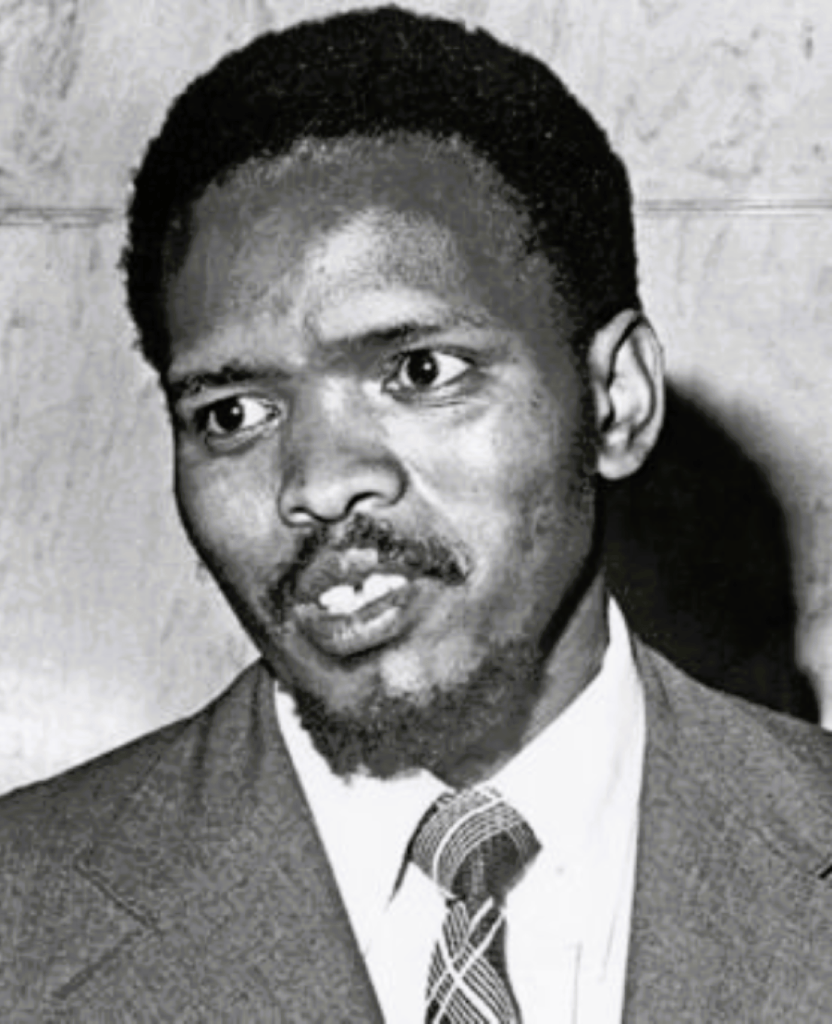
Stephen Bantu Biko (1946–1977) stands as one of the most profound and influential figures in South Africa’s struggle against apartheid. As the founder of the Black Consciousness Movement (BCM), he became a symbol of resistance and an advocate for the psychological and political emancipation of black South Africans. His life, ideology, and tragic death left a lasting legacy that continues to inspire movements for freedom and dignity worldwide.
Early Life and Education
Stephen Biko was born on December 18, 1946, in King William’s Town in the Eastern Cape province of South Africa. His family was of modest means, and after his father’s death when he was four, Biko’s mother worked as a domestic worker to support her children. Biko showed academic promise early on and attended several local schools before enrolling at the prestigious Lovedale College. However, his involvement in anti-apartheid activities led to his expulsion. He later completed his education at St. Francis College, a Catholic school known for its progressive outlook.
In 1966, Biko enrolled in the University of Natal Medical School, where his political activism intensified. His disillusionment with white-dominated student organizations, including the National Union of South African Students (NUSAS), led him to become involved in the formation of the South African Students’ Organization (SASO) in 1968. SASO would be the birthplace of Black Consciousness, an ideology that sought to instill a sense of pride and self-worth among black South Africans.
The Black Consciousness Movement
Biko’s philosophy of Black Consciousness was born out of the recognition that the apartheid system not only physically oppressed black people but also psychologically dehumanized them. Apartheid perpetuated the belief that black people were inferior to whites, both in ability and worth. Biko sought to dismantle this mental conditioning by promoting black pride, self-reliance, and unity.
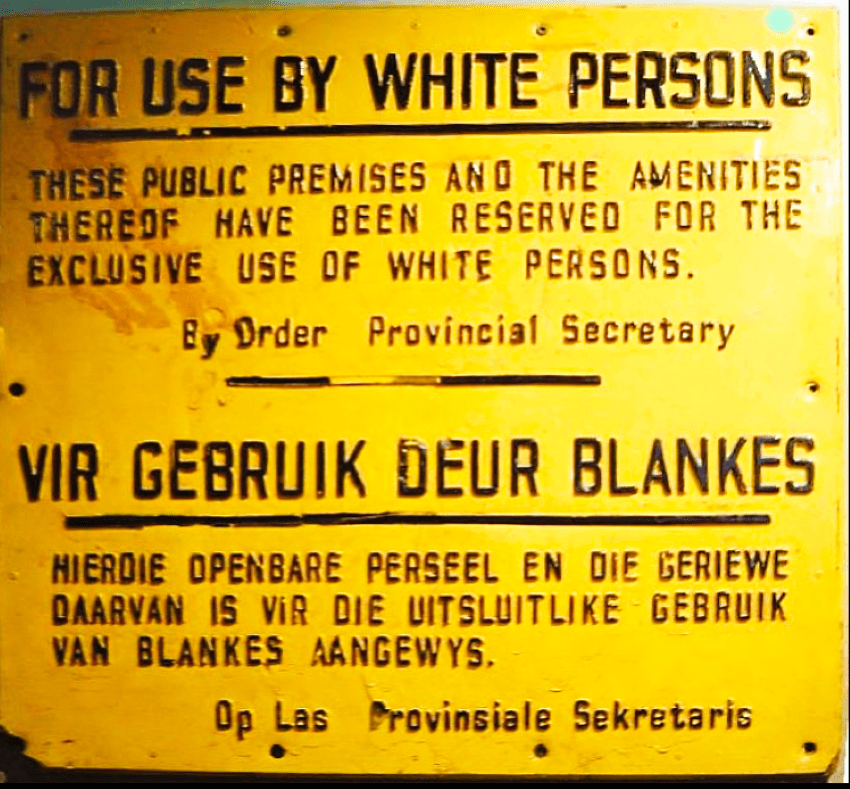
At the core of Black Consciousness was the assertion that black people must reject the internalized inferiority imposed by apartheid and assert their humanity. Biko famously said, “The most potent weapon in the hands of the oppressor is the mind of the oppressed.” He believed that true liberation would only be possible when black South Africans regained their dignity and rejected the notion of their inferiority. This ideology resonated not only among black South Africans but also among other marginalized groups, including Indians and Coloreds (mixed-race South Africans).
Black Consciousness encouraged the establishment of independent black organizations in all aspects of life, from education to health care, as a means of fostering self-reliance and independence from the white-dominated state. The BCM rejected any form of paternalism from white liberals, insisting that black people must lead their own liberation. This ideology became a rallying cry for a generation of young activists who were increasingly frustrated with the ineffectiveness of moderate opposition to apartheid.
Political Impact and Repression
The Black Consciousness Movement gained significant traction in the early 1970s, particularly among students and urban youth. Biko’s charisma, intellectual prowess, and dedication made him the movement’s leading figure. His speeches and writings, many of which were published under the pseudonym Frank Talk, were widely circulated and deeply influential.
However, the apartheid regime viewed Black Consciousness and its proponents as a significant threat. The movement’s emphasis on self-reliance, black pride, and defiance of white authority directly challenged the foundations of the apartheid state. In response, the government began to crack down on BCM activists.
In 1973, Biko was banned by the South African government, restricting his movement, communication, and ability to speak publicly. Despite these constraints, Biko continued his work, organizing grassroots activism and community programs aimed at empowering black South Africans. He also played a key role in the establishment of the Black People’s Convention (BPC) in 1972, which sought to unite black political and cultural organizations under the banner of Black Consciousness.
Biko’s activism reached its zenith in 1976 during the Soweto Uprising, when thousands of black students took to the streets to protest the government’s decision to impose Afrikaans as the medium of instruction in schools. Although Biko did not organize the protest, the uprising was deeply influenced by the Black Consciousness Movement, and the brutal state response, which resulted in hundreds of deaths, highlighted the regime’s violent repression of dissent.
Arrest, Death, and Legacy
In August 1977, Biko was arrested at a police roadblock while traveling to meet other activists. He was detained under the country’s Terrorism Act, which allowed for indefinite detention without trial. During his imprisonment, Biko was brutally beaten by the police and left shackled and naked for days. His injuries were severe, and he slipped into a coma. On September 12, 1977, he died in police custody at the age of 30.
Biko’s death sent shockwaves across South Africa and the world. It became a symbol of the cruelty and inhumanity of the apartheid regime. International outrage followed, and Biko’s name became synonymous with the fight against apartheid. His writings and speeches, collected posthumously, continued to inspire a new generation of activists in South Africa and beyond.
In South Africa, Biko’s death was a turning point. While the apartheid regime tried to silence him, his ideas lived on. The Black Consciousness Movement continued to influence the fight for freedom, and its emphasis on psychological liberation remained a central component of anti-apartheid activism. Biko’s insistence on black pride and autonomy resonated with the African National Congress (ANC) and other liberation movements, even as they embraced armed struggle.
Biko’s Enduring Influence
Stephen Biko’s legacy extends far beyond South Africa’s borders. His philosophy of Black Consciousness has inspired movements for racial justice around the world, particularly in the United States, where it parallels the Black Power movement. His insistence on the importance of psychological liberation continues to resonate in contemporary struggles for racial equality, decolonization, and human dignity.
Today, Biko is remembered as a martyr for freedom and an intellectual force whose ideas challenged the very foundations of apartheid. Monuments, institutions, and academic scholarships bear his name, ensuring that his contributions to the fight for justice and equality are not forgotten. His life serves as a testament to the power of ideas in the face of oppression and the enduring struggle for dignity, pride, and self-determination.
In conclusion, Stephen Biko was not only a political activist but also a philosopher who understood that the fight against apartheid was as much about reclaiming black South Africans’ sense of self-worth as it was about dismantling political structures. His untimely death only amplified his message, turning him into a symbol of resistance against racial oppression. His life and legacy continue to inspire those who believe in justice, equality, and the power of consciousness as a tool for liberation.
sources
https://www.britannica.com/biography/Steve-Biko
 History of Sorts
Leave a comment