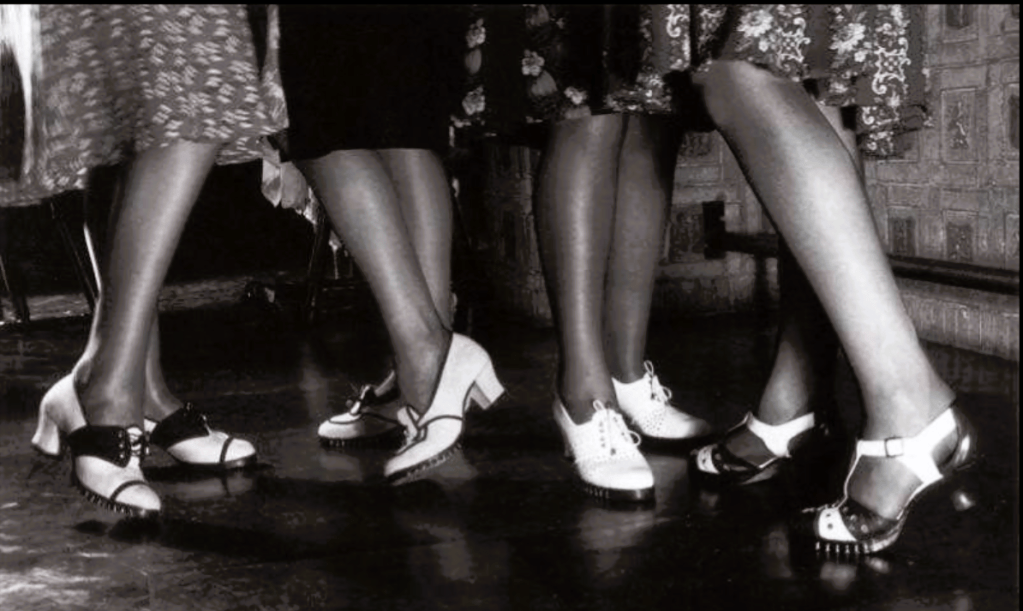
This is a slightly different bit of World War II history, but nonetheless an interesting one.
Fashion during World War II (1939–1945) was shaped by resource scarcity, wartime needs, and practicality, leading to a unique and resourceful style period. The global conflict dramatically influenced clothing trends and production, especially due to rationing, limitations on materials, and societal shifts. Here are key aspects of fashion during World War II:
1. Rationing and Utility Clothing
- Fabric rationing: In many countries, especially in Europe and the US, fabric was rationed. Governments restricted the use of materials like wool, silk, and nylon (which were needed for military purposes such as making uniforms, parachutes, and equipment). This led to simplified, more efficient designs.
- Utility clothing: In the UK, the government introduced “utility clothing,” which met rationing regulations but still offered style. These garments were made of durable fabrics, had minimal embellishments, and used less fabric. They featured straightforward designs with sharp lines and practical cuts.
- L-85 regulations: In the US, the government enforced similar restrictions under the L-85 Regulations, which limited the amount of fabric used in clothing. Features like cuffs, pleats, and extra buttons were eliminated or reduced. Women’s skirts became shorter (around knee-length), and men’s suits were stripped down to essentials.

2. Make Do and Mend
- Due to fabric shortages, civilians were encouraged to reuse, repair, and repurpose old clothes. The “Make Do and Mend” campaign in the UK inspired people to be creative by transforming old garments, patching up holes, and using scraps for accessories. It was an era of resourcefulness and innovation in personal style.

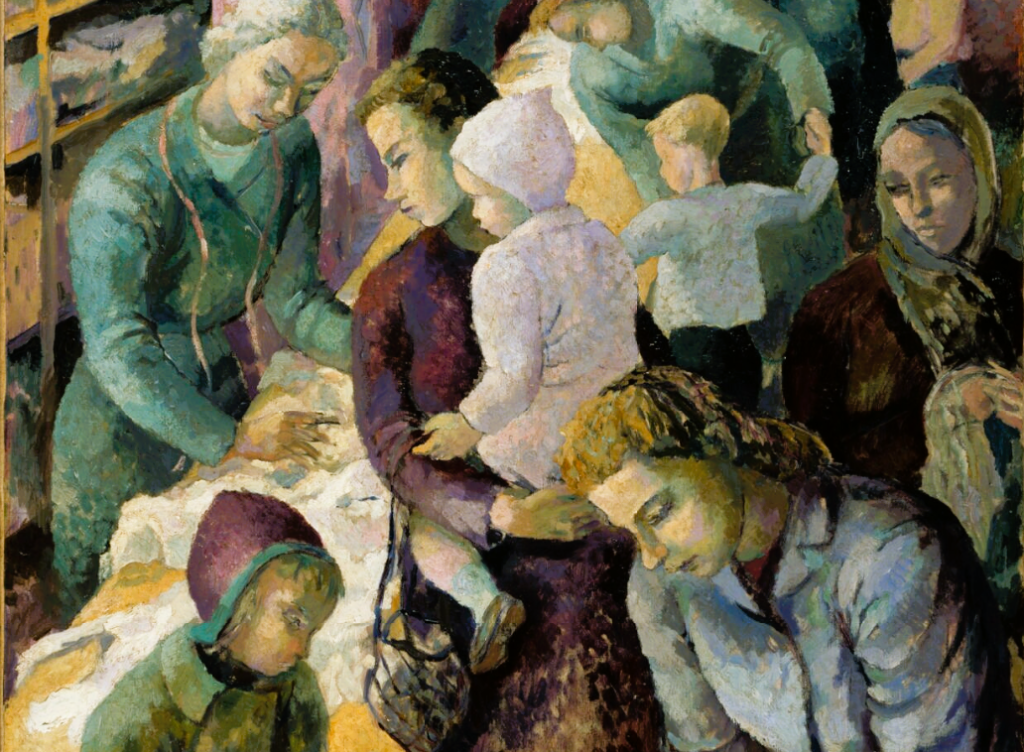
3. Simplification of Women’s Fashion
- Silhouettes: Women’s fashion became more practical and less frilly. Dresses and skirts had simpler lines, with narrow, boxy shoulders and straight skirts. Waists were often belted to maintain a feminine shape despite the austerity.
- Military-inspired styles: Women took on more roles in the workforce and even joined auxiliary military services, which impacted fashion. Utility-style jackets, tailored suits, and trousers became common. Uniform-like elements (epauletes, shoulder pads, buttons) appeared in everyday fashion. Trousers became more socially acceptable for women, especially in the workplace.
- Daywear: Simple, knee-length dresses with modest necklines and functional details like large pockets or button-up fronts were popular. Wartime daywear often prioritized comfort and mobility for women working in factories or participating in the war effort.

4. Limited Accessories and Adapting Styles
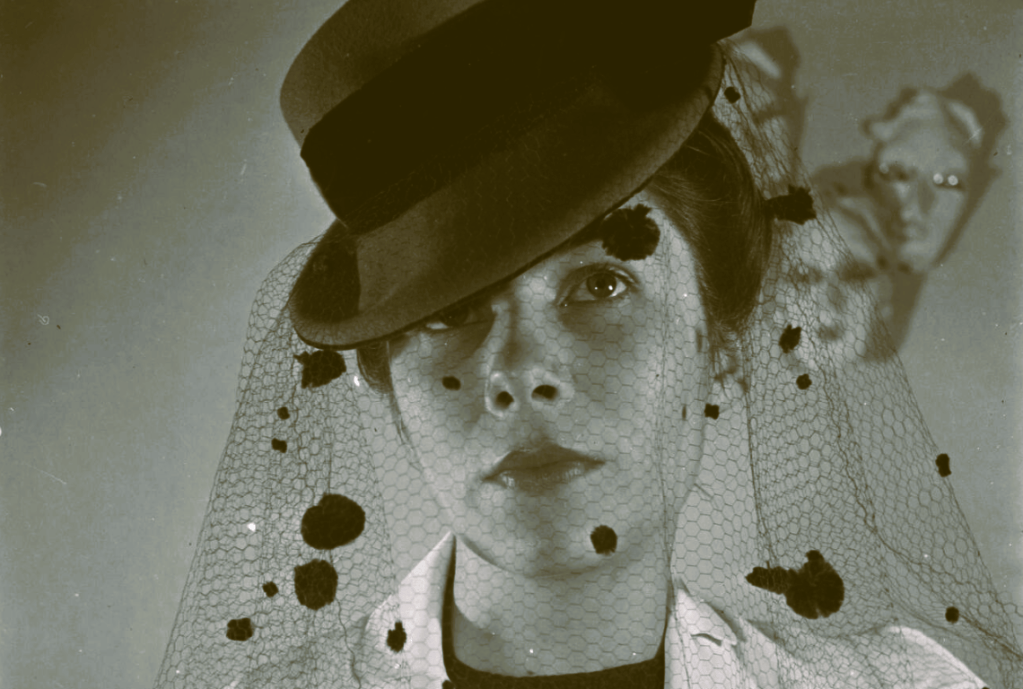
- Hats and accessories: With fewer resources for accessories, hats became smaller and more streamlined, though women often got creative with turbans, scarves, and handmade accessories.
- Stockings shortage: Due to the scarcity of silk and nylon, women had to find alternatives to stockings. Some used leg makeup or drew seams on the backs of their legs to simulate the look of stockings.
5. Women in Uniform
- Many women, in their roles within military and paramilitary organizations, adopted uniforms that were not just stylish but also highly practical. These tailored garments, with their functional design, influenced civilian fashion. Women confidently sported military-style blazers, trousers, and even coveralls.

6. Men’s Fashion
- Conservative and practical styles: Men’s fashion, too, was affected by rationing, with suits becoming more streamlined and functional. Single-breasted jackets, narrower lapels, and plain, dark colors became typical. The fabric-saving measures often meant that men’s suits lacked vests and pleats.
- Military uniforms: Military styles dominated fashion for men in uniform, including the iconic double-breasted pea coats, bomber jackets, and trench coats. After the war, these pieces became staples of men’s fashion.
7. War’s Influence on Haute Couture
- Despite the challenges, haute couture in Paris and elsewhere continued to operate, albeit at a reduced scale. Designers like Coco Chanel closed their shops, while others like Cristóbal Balenciaga and Christian Dior adapted to wartime limitations.
- Christian Dior, a key figure in the post-war era, introduced the revolutionary ‘New Look’ in 1947. This iconic style, a stark contrast to the austerity of wartime fashion, reintroduced luxury, femininity, and opulence to the industry. The ‘New Look’ was characterized by full skirts, cinched waists, and abundant fabric, and it left an indelible mark on the fashion world.
8. Impact on Post-War Fashion
- By the end of the war, fashion began to recover from wartime restrictions. People looked forward to a return to luxury and glamour. Still, the war had forever changed the way fashion responded to societal needs, highlighting practicality, resourcefulness, and mass production.
World War II fashion was, above all, practical, with a focus on minimalism and functionality. However, it also encouraged creativity and innovation in the face of scarcity, leaving a lasting impact on the evolution of both everyday and high fashion.
Sources
https://www.iwm.org.uk/history/how-clothes-rationing-affected-fashion-in-the-second-world-war
Donation
Your readership is what makes my site a success, and I am truly passionate about providing you with valuable content. I have been doing this at no cost and will continue to do so. Your voluntary donation of $2 or more, if you are able, would be a significant contribution to the continuation of my work. However, I fully understand if you’re not in a position to do so. Your support, in any form, is greatly appreciated. Thank you. To donate, click on the credit/debit card icon of the card you will use. If you want to donate more than $2, just add a higher number in the box left from the PayPal link. Your generosity is greatly appreciated. Many thanks.
$2.00


 History of Sorts
Leave a comment