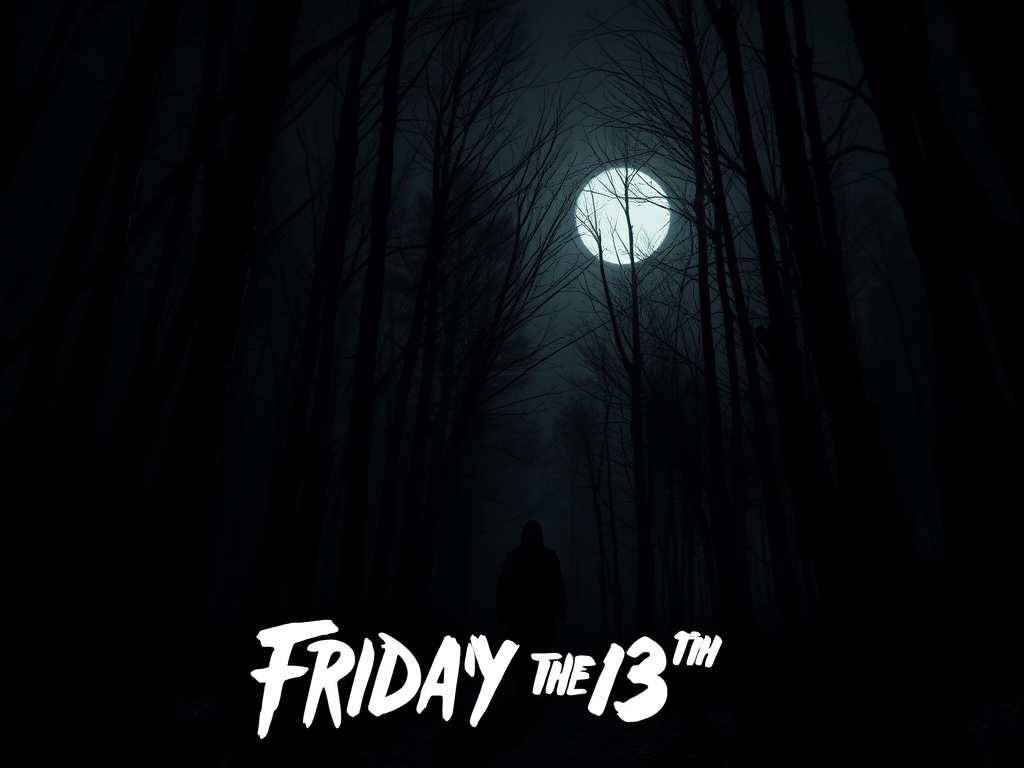
Friday the 13th has long been regarded as an ominous date associated with bad luck. Its infamy is so widespread that it has inspired phobias like paraskevidekatriaphobia (the fear of Friday the 13th) and countless cultural references, including books and movies. But how did this day come to be viewed with such dread? The answer lies in a tapestry of historical events, religious beliefs, and cultural myths that have evolved over centuries.
The Roots of the Number 13
The negative connotation of the number 13 predates the notion of Friday the 13th. Many ancient cultures considered 12 to be a “complete” and auspicious number. For example, there are 12 months in a year, 12 zodiac signs, and 12 gods of Olympus in Greek mythology. Thirteen, by contrast, was seen as irregular and unsettling, disrupting this harmony.
This unease is reflected in Norse mythology, where a famous story tells of a banquet in Valhalla attended by 12 gods. Loki, the trickster god, arrived uninvited as the 13th guest and orchestrated events that led to the death of the beloved god Balder. Similarly, in early Christianity, the Last Supper featured 13 attendees: Jesus and his 12 apostles, one of whom, Judas Iscariot, would betray him. This association between 13 and misfortune became ingrained in Western thought.
The Significance of Friday
Friday itself has also been linked to misfortune in Western culture. In Christianity, Friday is traditionally considered the day of Jesus’ crucifixion. The Anglo-Saxon world referred to Friday as “Hangman’s Day” because it was when executions often occurred. Additionally, some medieval texts caution against embarking on journeys or starting new ventures on Fridays, further cementing the day’s unlucky reputation.
The Merging of Friday and the 13th
The combination of Friday and the 13th as a particularly unlucky day appears to be a relatively modern development. While no definitive historical evidence points to when this superstition began, many trace it to the late 19th and early 20th centuries. The first documented reference to Friday the 13th as a day of bad luck appeared in Henry Sutherland Edwards’ 1869 biography of composer Gioachino Rossini, who reportedly regarded Fridays and the number 13 as unlucky. The biography notes that Rossini died on Friday the 13th, cementing the association in the popular imagination.
The superstition gained further traction with the publication of Thomas W. Lawson’s 1907 novel Friday the 13th. The book tells the story of a stockbroker who uses the superstition to manipulate the stock market, causing financial chaos. This widespread attention helped codify Friday the 13th as an emblem of bad luck in the collective consciousness.

Reinforcement Through Media and Pop Culture
In the 20th century, Friday the 13th gained further notoriety through its depiction in popular culture, particularly horror films. The release of the Friday the 13th film series beginning in 1980 played a significant role in cementing the day’s reputation for fear and bad luck. The franchise’s association with violence, death, and a menacing masked figure reinforced its ominous image, even as it drew largely on fictional narratives.

A Global Perspective on Friday the 13th
It is important to note that Friday the 13th is not universally feared. While Western cultures regard it as a day of misfortune, other cultures have their own unlucky days or numbers. In many Spanish-speaking countries and Greece, for example, Tuesday the 13th (martes trece) is considered the day to avoid. In Italy, the number 17 is traditionally viewed as unlucky, and Friday the 17th carries a similar stigma. These variations highlight the cultural relativity of superstitions and the ways in which different societies interpret omens.
Modern Interpretations and the Psychology of Superstition
Today, many people dismiss Friday the 13th as a harmless superstition, while others continue to approach the day with caution. Psychologists suggest that the fear surrounding Friday the 13th is a classic example of the “self-fulfilling prophecy.” People who believe in the superstition may unconsciously focus on negative outcomes or attribute ordinary mishaps to the date, reinforcing their fears.
Interestingly, Friday the 13th has also been embraced as an opportunity for humor and celebration. For instance, some consider it a perfect occasion to host spooky-themed events or watch horror movies. Additionally, skeptics and rationalists often use the date to highlight the irrationality of superstitions.
The origin of Friday the 13th as an unlucky day is a fascinating blend of historical events, religious beliefs, and cultural storytelling. While the superstition has deep roots in Western traditions, its specific association with misfortune has been shaped over time by literature, media, and collective imagination. Whether feared or embraced, Friday the 13th serves as a reminder of humanity’s enduring fascination with the mystical and the unknown.
Sources
https://archive.org/details/fridaythanovel00lawsgoog/mode/2up
https://www.history.com/topics/folklore/friday-the-13th
Donations
Your readership is what makes my site a success, and I am truly passionate about providing you with valuable content. I have been doing this at no cost and will continue to do so. Your voluntary donation of $2 or more, if you are able, would be a significant contribution to the continuation of my work. However, I fully understand if you’re not in a position to do so. Your support, in any form, is greatly appreciated. Thank you. To donate, click on the credit/debit card icon of the card you will use. If you want to donate more than $2, just add a higher number in the box left from the PayPal link. Your generosity is greatly appreciated. Many thanks.
$2.00
 History of Sorts
Leave a comment