
Coffee: it’s the drink we rely on for energy, the beverage that brings people together, and a ritual embedded in cultures worldwide. But coffee’s story is as rich and deep as the flavors we savor in each cup. Let’s take a journey through the history of coffee—from the ancient hills of Ethiopia to the bustling coffeehouses of the Middle East and finally to the modern cafes that dot every city block today.
Origins of Coffee: The Ethiopian Legend
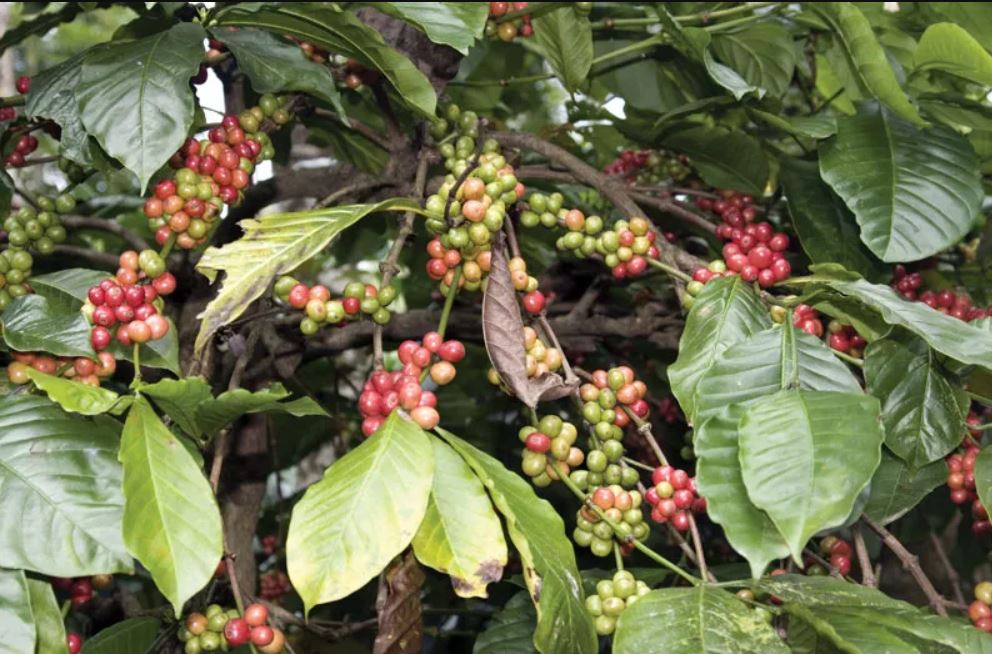
The story of coffee begins in the 9th century on the rocky hills of Ethiopia. According to local legend, an Ethiopian goat herder named Kaldi noticed his goats behaving unusually lively after eating red berries from a particular bush. Curious, Kaldi tried the berries himself and felt an energy rush unlike any he’d known. Word quickly spread to nearby monks, who began using the berries to sustain themselves during long hours of prayer. The energizing properties of these beans were soon cherished, and a tradition was born.
The Journey to Yemen: Coffee Finds Its First Home
Coffee’s journey truly began when it made its way to Yemen in the 15th century. The fertile lands of Yemen proved ideal for cultivating coffee, and the Sufi monks there began using it to help them focus during lengthy meditation practices. Yemen was where coffee was first brewed and consumed as a drink, setting the stage for the coffee culture we know today.
In Yemen’s port city of Mocha, coffee became a hot commodity (literally!). Mocha soon emerged as the world’s coffee trade center, sending beans and the tradition of brewing coffee to the Arabian Peninsula and beyond.
Coffeehouses and the Culture of Conversation
By the 16th century, coffee had reached the Ottoman Empire, Persia, and Egypt, weaving itself into the social fabric of these cultures. It wasn’t long before coffeehouses began appearing in cities like Istanbul, Cairo, and Mecca. These coffeehouses, known as qahveh khaneh, weren’t just places to grab a drink; they were places to share ideas, engage in conversation, and discuss art, politics, and philosophy.
However, coffee didn’t win everyone’s favor immediately. Coffeehouses were even temporarily banned in some parts of the Ottoman Empire for being “too stimulating” and a potential “threat to order.” Fortunately, the popularity of coffeehouses was unstoppable, and coffee soon became an essential part of Middle Eastern society.
Coffee Crosses into Europe
European travelers visiting the Middle East in the 17th century were intrigued by this “exotic” drink. When Venetian merchants brought coffee to Italy, it quickly took off among the Italian elite. By the late 1600s, coffee had become so popular that coffeehouses were springing up across Europe, from London to Paris to Vienna.
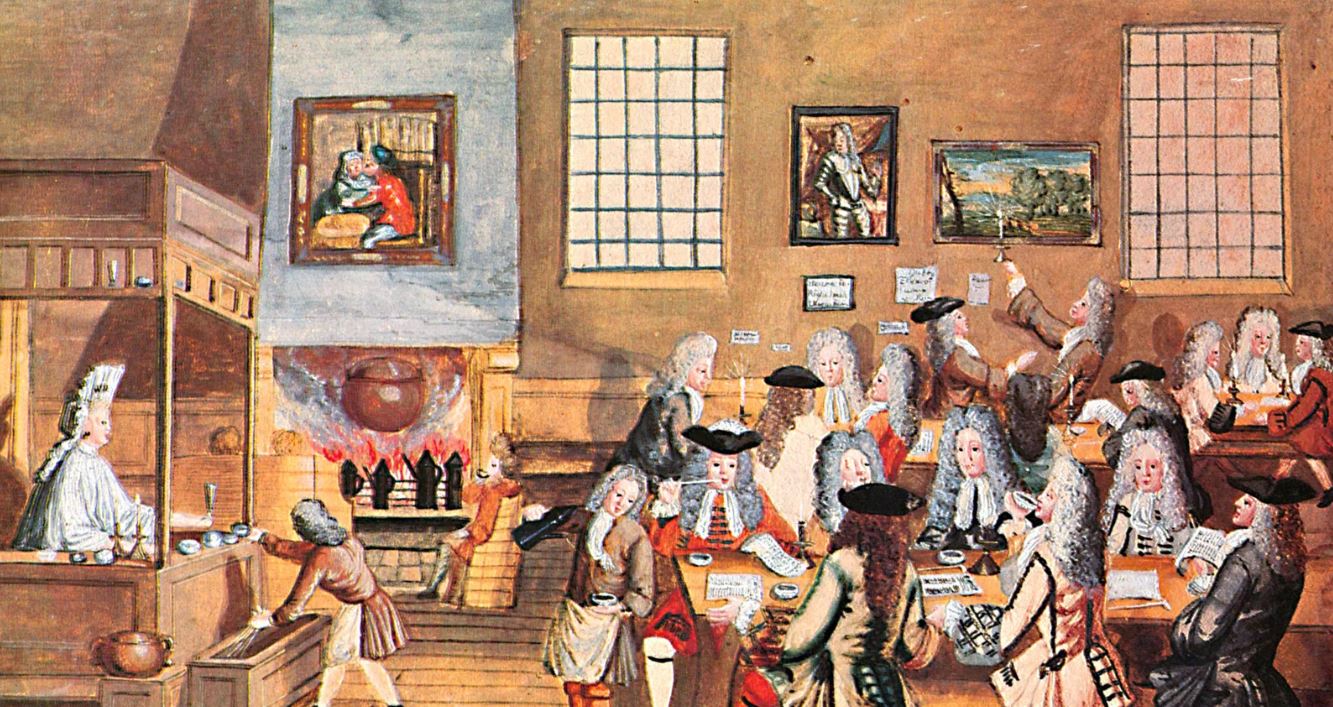
In England, coffeehouses became known as “penny universities” because, for just a penny, people could enter, enjoy a cup of coffee, and discuss the issues of the day. These coffeehouses became centers of intellectual exchange and community, where merchants, philosophers, and even artists gathered to share ideas.
Bringing Coffee to the New World
In the early 18th century, coffee plants began to make their way across the Atlantic. The Dutch, who were early pioneers in commercial coffee cultivation, first planted coffee in their colonies in Java, Indonesia. The French introduced coffee to the Caribbean islands, and the Portuguese brought it to Brazil, where coffee would eventually flourish and make Brazil the top coffee producer in the world.
In the Americas, coffee didn’t immediately replace tea, but it gained popularity after the Boston Tea Party when drinking tea became seen as unpatriotic. Coffee thus became the patriotic alternative, eventually finding its way into the routines and cultures of North America.
The Rise of the Coffee Industry and Innovations
Coffee’s growth in the 19th century paralleled industrialization. Coffee was fueling not only creative minds but also factory workers and soldiers who relied on its stimulating effects to power through demanding work schedules.
With the industrial boom came a demand for efficiency, and the invention of instant coffee in the early 20th century revolutionized how coffee was consumed. Meanwhile, in Italy, the espresso machine (first patented in 1884) led to the creation of espresso drinks and an entirely new culture of coffee consumption centered around quick, intense coffee experiences.
Coffee in the 20th Century: Cafes, Chains, and the “Third Wave”

Fast forward to the latter half of the 20th century, when coffee culture saw another major shift. Big coffee chains, like Starbucks, transformed the experience of coffee by making it an accessible luxury, sparking a new wave of interest in specialized coffee drinks. The cappuccinos, lattes, and mochas these chains offered became wildly popular, reshaping how people thought about and consumed coffee.
Today, coffee is at the forefront of what’s known as the “Third Wave” coffee movement. This movement focuses on celebrating coffee as an artisanal product—something that, like fine wine, can be crafted, refined, and elevated. Baristas and coffee enthusiasts have brought attention to details like bean origin, roast profile, and brewing techniques, encouraging a deeper connection to the coffee in every cup.
The Future of Coffee: Sustainability and Global Awareness
In recent years, the coffee industry has placed a growing emphasis on sustainability, fair trade practices, and environmental stewardship. As coffee drinkers become more conscious of their purchasing choices, the demand for ethically and sustainably produced coffee has grown.
From the ancient Ethiopian legend to the bustling coffeehouses of Europe to the artisanal cafes of today, coffee’s history is filled with moments of innovation, conversation, and connection. It’s a drink that not only wakes us up but also fuels our minds, our creativity, and our sense of community. The next time you take a sip, remember you’re tasting a piece of a centuries-old tradition—one that has traveled the world and shaped cultures along the way.
Sources
https://www.britannica.com/topic/history-of-coffee
https://www.ncausa.org/About-Coffee/History-of-Coffee
https://www.nescafe.com/in/coffee-culture/knowledge/coffee-history
https://www.melitta.com/en/History-of-Coffee-629.html
Donation
Your readership is what makes my site a success, and I am truly passionate about providing you with valuable content. I have been doing this at no cost and will continue to do so. Your voluntary donation of $2 or more, if you are able, would be a significant contribution to the continuation of my work. However, I fully understand if you’re not in a position to do so. Your support, in any form, is greatly appreciated. Thank you. To donate, click on the credit/debit card icon of the card you will use. If you want to donate more than $2, just add a higher number in the box left from the PayPal link. Your generosity is greatly appreciated. Many thanks.
$2.00
 History of Sorts
Leave a comment