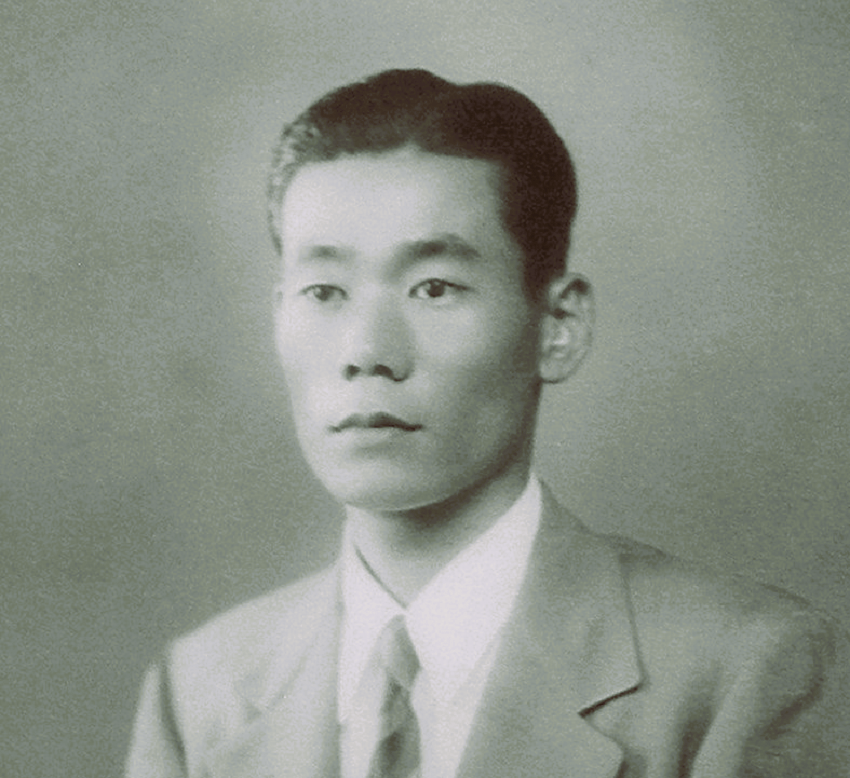
Takeo Yoshikawa, a name that remains largely overshadowed by the grander narrative of World War II, played a pivotal yet clandestine role in one of the most significant events in modern history—the attack on Pearl Harbor. While most historical discussions about the Pearl Harbor attack focus on the military strategies, the surprise nature of the attack, or its consequences, few delve into the intricacies of the intelligence operations that made it possible. Yoshikawa, an intelligence officer for Japan, was instrumental in gathering the crucial information that allowed the Japanese Navy to plan and execute the devastating attack on the American naval base on December 7, 1941.
Early Life and Career
Takeo Yoshikawa was born on March 7, 1912, in Matsuyama, Ehime Prefecture, Japan. Yoshikawa was motivated by patriotism and a desire to serve his country from a young age. This zeal led him to pursue a career in the Imperial Japanese Navy, where he enrolled in the Imperial Japanese Naval Academy. Yoshikawa was an exemplary student, excelling in his studies and earning a reputation as a promising naval officer. However, his career took an unexpected turn when he developed a health condition that made him unfit for active service at sea.
Despite this setback, Yoshikawa’s intellect and knowledge of naval operations did not go unnoticed. He was transferred to the Japanese Navy’s intelligence division, where he quickly demonstrated his abilities as a keen analyst. His work involved gathering and interpreting intelligence, which became the foundation of his later espionage activities. This shift from a conventional military role to intelligence work marked the beginning of Yoshikawa’s journey into the shadowy world of espionage.
Espionage Mission to Hawaii
In March 1941, as tensions between Japan and the United States escalated, Yoshikawa was sent to Hawaii under the alias of Tadashi Morimura. Officially, he was designated as a vice-consul at the Japanese Consulate in Honolulu, but his true mission was far more clandestine. His task was to gather detailed intelligence on the U.S. Pacific Fleet, which was stationed at Pearl Harbor. The Japanese high command was considering a preemptive strike against the United States, and Yoshikawa’s intelligence was deemed crucial for the success of such an operation.
Yoshikawa’s approach to espionage was meticulous and multifaceted. He posed as a tourist and an ordinary diplomat, using these guises to observe the movements of American warships and aircraft. He regularly toured Pearl Harbor, taking note of ship placements, the timing of fleet exercises, and the habits of American personnel. Yoshikawa also made use of civilian contacts, such as local Japanese residents and businessmen, to gather additional information. His reports, which were sent back to Japan via coded diplomatic messages, included detailed descriptions of the harbor, ship movements, and the overall readiness of the U.S. Pacific Fleet.
One of Yoshikawa’s significant contributions was his observation that the American ships were often anchored closely together in Pearl Harbor, which made them vulnerable to a concentrated attack. This information was vital for the Japanese planners, who were looking for an opportunity to strike a crippling blow to the U.S. Navy.
The Attack on Pearl Harbor
The intelligence provided by Yoshikawa played a crucial role in shaping the Japanese attack plan, which was meticulously crafted by Admiral Isoroku Yamamoto and his staff. The Japanese Navy, armed with Yoshikawa’s reports, launched a surprise attack on Pearl Harbor on December 7, 1941. The attack, which began early in the morning, was devastating. Over 2,400 Americans were killed, and numerous ships, including battleships and aircraft, were destroyed or severely damaged.
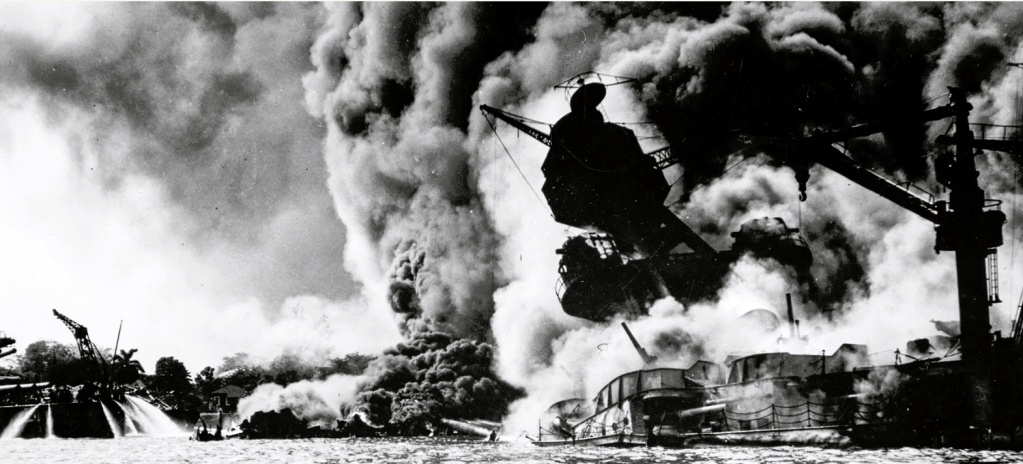
While the attack was a tactical success for Japan, achieving its immediate objective of crippling the U.S. Pacific Fleet, it also had profound strategic consequences. The attack on Pearl Harbor galvanized American public opinion, leading to the United States’ formal entry into World War II. The rallying cry of “Remember Pearl Harbor” became a symbol of American resolve and determination to defeat Japan and its Axis allies.
Post-War Life and Legacy
After the attack on Pearl Harbor, Yoshikawa’s role in the operation was not immediately known to the Allies. As the war progressed, however, the Japanese consulate in Honolulu was closed, and Yoshikawa returned to Japan. Despite his critical role in one of the most famous attacks in history, Yoshikawa lived a relatively obscure post-war life.
In the immediate aftermath of the war, Yoshikawa was interrogated by American occupation authorities, but he was never prosecuted as a war criminal. The United States was more focused on the higher echelons of Japanese leadership, and Yoshikawa’s role as a spy was not deemed significant enough to warrant further action. After his release, Yoshikawa struggled to adjust to post-war Japan, a nation that was grappling with defeat and occupation. He faced financial difficulties and worked various odd jobs to make ends meet.
Yoshikawa’s story resurfaced in later years, particularly as historians began to explore the intelligence aspects of World War II. His contributions to the Pearl Harbor attack are now recognized as a key component of the Japanese war effort, highlighting the critical role that intelligence and espionage play in modern warfare.
Takeo Yoshikawa’s life and career offer a fascinating glimpse into the world of espionage during a time of global conflict. His work as a spy in Hawaii was instrumental in shaping one of the most consequential events of World War II—the attack on Pearl Harbor. While the morality and ethics of his actions can be debated, there is no denying that Yoshikawa’s intelligence work had a profound impact on the course of history.
Today, Yoshikawa’s legacy is a reminder of the power of intelligence in warfare. His meticulous gathering of information and his ability to remain undetected by American authorities allowed Japan to launch a surprise attack that, for a time, shifted the balance of power in the Pacific. However, it also serves as a cautionary tale of the unintended consequences of such actions, as the very attack Yoshikawa helped to orchestrate ultimately led to Japan’s downfall in the war.
Sources
https://www.usni.org/magazines/proceedings/1960/december/top-secret-assignment
https://pearlharbor.org/blog/pearl-harbor-spy
https://spyscape.com/podcast/the-mouse-at-pearl-harbor
Donation
Your readership is what makes my site a success, and I am truly passionate about providing you with valuable content. I have been doing this at no cost and will continue to do so. Your voluntary donation of $2 or more, if you are able, would be a significant contribution to the continuation of my work. However, I fully understand if you’re not in a position to do so. Your support, in any form, is greatly appreciated. Thank you. To donate, click on the credit/debit card icon of the card you will use. If you want to donate more than $2, just add a higher number in the box left from the PayPal link. Your generosity is greatly appreciated. Many thanks.
$2.00
 History of Sorts
Leave a comment