
The superstition surrounding Friday the 13th is one of the most pervasive and enduring beliefs in Western folklore. Although widely regarded as ancient, its origins are neither singular nor straightforward. Instead, the fear of Friday the 13th emerges from the convergence of two distinct streams of symbolic anxiety: the cultural suspicion of the number thirteen and the long-standing religious and folkloric distrust of Friday. Over centuries, these elements fused, amplified by religious narrative, medieval myth-making, early modern literature, and ultimately modern mass media.
The Fear of the Number Thirteen: Triskaidekaphobia
The technical term for the fear of the number thirteen is triskaidekaphobia, from Greek roots meaning “fear of thirteen.” While numerical symbolism appears in many ancient cultures, the specific aversion to thirteen seems to be a development of European and Near Eastern traditions.
Norse Mythology
One of the most frequently cited early narratives appears in Norse mythology. According to later retellings of a myth recorded in the Prose Edda, twelve gods were feasting in Valhalla when the trickster god Loki arrived uninvited as the thirteenth guest. His intrusion led to the death of the beloved god Baldr, plunging the world into grief. Although the textual evidence does not explicitly condemn the number thirteen, later folkloric interpretation transformed this story into a symbolic warning about the dangers of thirteen at a gathering.
The motif of twelve harmonious figures disrupted by a thirteenth interloper became culturally resonant, reinforcing a broader preference for twelve as a number of cosmic completeness: twelve months in the year, twelve zodiac signs, twelve Olympian gods, and so forth.
Biblical Tradition and the Last Supper
In Christian tradition, the number thirteen is strongly associated with betrayal and death through the narrative of the Last Supper. Judas Iscariot, who betrayed Jesus, is often described in later Christian folklore as the thirteenth guest at the meal. The event immediately precedes the crucifixion of Jesus Christ, linking the number to suffering and catastrophe.
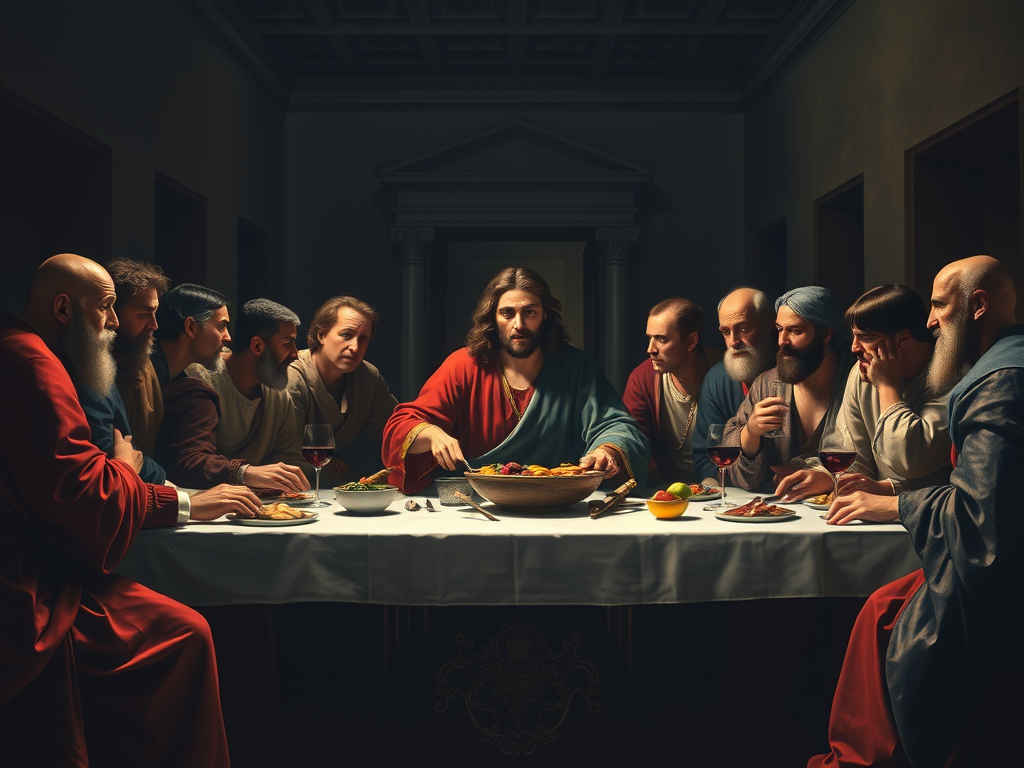
It is important to note that the biblical text itself does not number the attendees in this way; the emphasis on “thirteen at table” became prominent in medieval and early modern Christian teaching and popular belief. By the nineteenth century, etiquette manuals and superstition guides warned against hosting thirteen guests, a belief that led to the hiring of “professional fourteenth guests” in parts of Europe to avoid ill fortune.
Friday as an Unlucky Day
Independent of the number thirteen, Friday has long carried negative connotations in Christian Europe.
The Crucifixion
Christian tradition holds that Jesus was crucified on a Friday, now commemorated as Good Friday. This association between Friday and death imbued the day with solemnity and, in popular belief, misfortune. Medieval Europeans sometimes avoided beginning journeys, signing contracts, or starting major projects on Fridays.
Broader Medieval Associations
By the late Middle Ages, a web of beliefs had formed around Friday. Sailors were reluctant to set sail on that day; financial transactions and marriages were sometimes postponed. These practices were more folkloric than doctrinal, but they persisted in popular consciousness.
Additionally, some traditions held that Eve tempted Adam on a Friday and that the Great Flood began on a Friday. While these associations lack firm scriptural basis, they illustrate the tendency to concentrate misfortune symbolically onto a particular weekday.
The Knights Templar and Retrospective Myth
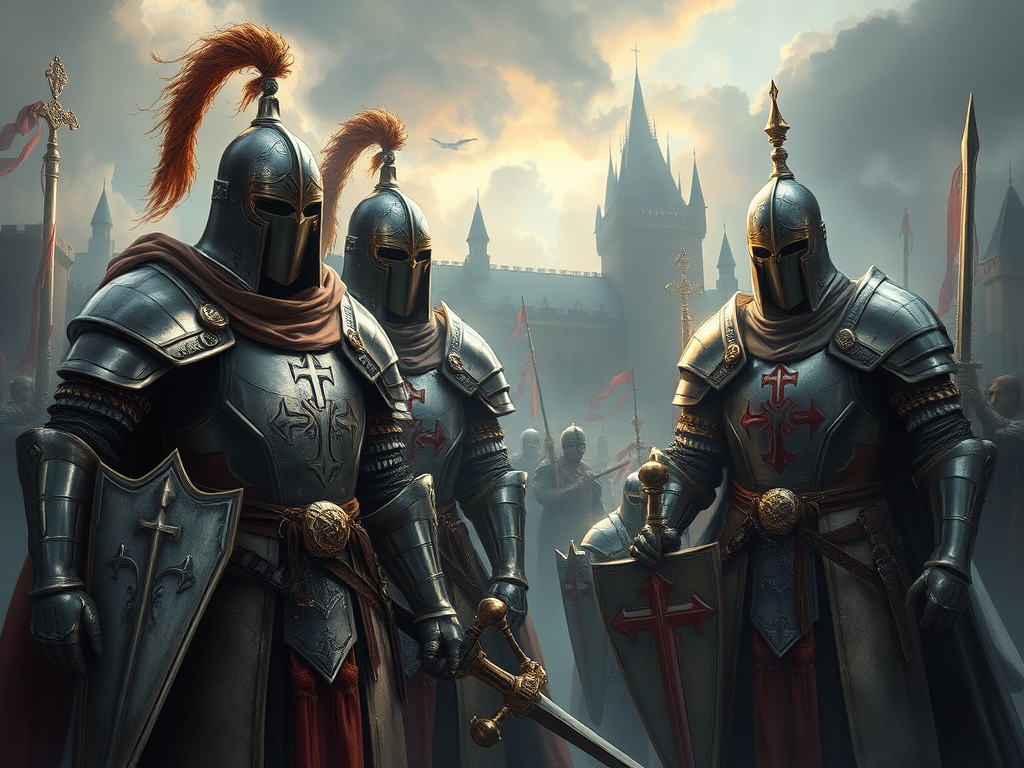
One of the most commonly cited historical “origins” of Friday the 13th is the mass arrest of the Knights Templar on Friday, October 13, 1307, ordered by King Philip IV of France.
On that day, members of the military order known as the Knights Templar were arrested, accused of heresy, and later executed or imprisoned. While the date is historically accurate, there is no contemporary evidence suggesting that medieval Europeans regarded that specific Friday the 13th as inherently cursed.
The linkage between the Templars’ downfall and the superstition appears to be a modern retrospective construction, popularized especially in late twentieth-century literature. Novelists and conspiracy theorists retroactively framed the event as the “origin” of Friday the 13th’s bad luck, but historians find no documentation supporting that claim as the source of the superstition.
The Late Emergence of “Friday the 13th” as a Combined Fear
Crucially, fear of Friday the 13th as a unified concept appears to be relatively recent. While separate anxieties about thirteen and Friday existed for centuries, the pairing of the two does not appear prominently in historical records until the nineteenth century.
One of the earliest documented literary references occurs in 1907 with the publication of Friday, the Thirteenth, a novel by Thomas W. Lawson. The book tells the story of a stockbroker who exploits superstition to manipulate the financial markets. Its popularity may have helped crystallize the association in the public imagination.
By the early twentieth century, newspapers increasingly referenced Friday the 13th as an unlucky date. The growth of mass media played a significant role in codifying and spreading the superstition.
Psychological and Cultural Amplification
Cognitive Bias and Pattern Recognition
From a psychological perspective, the superstition persists due to confirmation bias. When adverse events occur on Friday the 13th, they are more likely to be remembered and attributed to the date. Uneventful Fridays the 13th, by contrast, fade from memory.
Humans are predisposed to detect patterns and assign causation, even when none exists. A date that combines two already “unlucky” elements becomes a focal point for anxiety and narrative reinforcement.
Institutional Reinforcement
In modern times, avoidance behaviors reinforce the superstition. Some buildings omit the thirteenth floor; airlines may skip row thirteen. These institutional practices lend an aura of legitimacy to the fear, even among those who do not consciously believe in it.
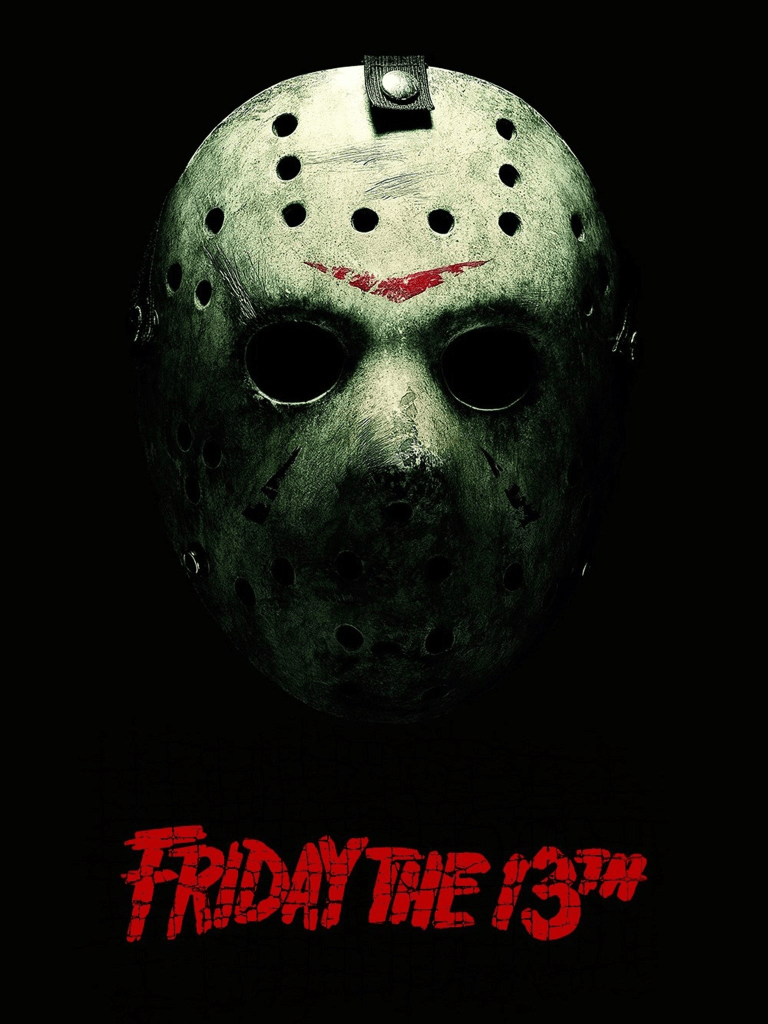
The cultural impact of the superstition was dramatically amplified in the late twentieth century by popular media, especially the horror film franchise beginning with Friday the 13th. The commercial success of this series entrenched the date as synonymous with terror in global popular culture.
Cross-Cultural Comparisons
It is worth noting that fear of Friday the 13th is primarily a Western phenomenon. Other cultures have their own numerological anxieties. In Italy, seventeen is often considered unlucky. In many East Asian societies, four is avoided because its pronunciation resembles the word for death.
Similarly, in Spanish-speaking countries and parts of Greece, Tuesday the 13th—rather than Friday—is regarded as unlucky. This demonstrates that the superstition is not universal but culturally constructed.
Conclusion
The superstition of Friday the 13th does not originate from a single ancient decree or catastrophic event. Instead, it is the product of layered symbolic associations: the disruptive symbolism of thirteen, the solemn and ominous reputation of Friday in Christian Europe, and the power of storytelling across centuries.
Its consolidation into a single, widely recognized “unlucky date” appears to be a relatively modern development, reinforced by literature, journalism, and cinema. What began as separate strands of myth and religious symbolism coalesced into a potent cultural narrative—one that continues to influence architecture, business practices, and popular imagination.
Ultimately, Friday the 13th illustrates how superstition evolves: through repetition, narrative reinforcement, and the human tendency to imbue coincidence with meaning.
sources
https://www.britannica.com/topic/Friday-the-13th-superstition
https://nypost.com/2026/02/12/astrology/the-history-and-astrology-of-friday-the-13th-2026/
https://en.wikipedia.org/wiki/Friday_the_13th
images AI generated except the movie poster
 History of Sorts
Leave a comment