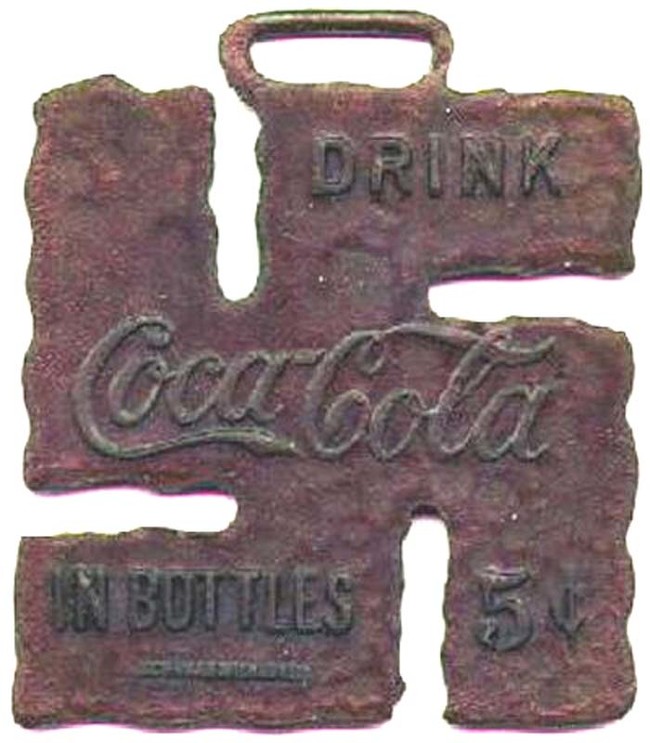
Since World War II, the swastika has been inseparably associated with German dictator Adolf Hitler and the crimes committed by his Nazi regime. Today, the symbol is rarely seen in public, but before Hitler’s rise to power, swastikas were a familiar and widely accepted part of everyday life.
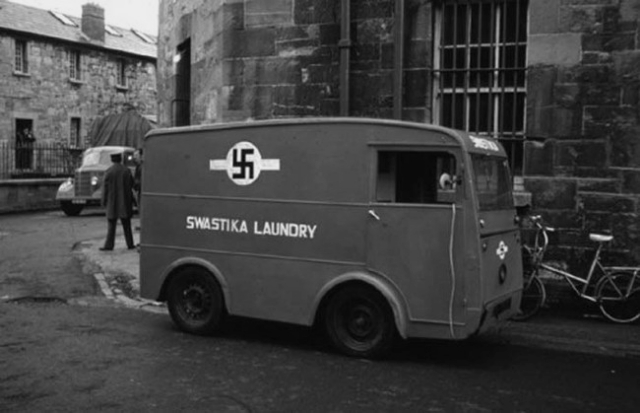
Long before their appropriation by the Nazis, swastikas were regarded as symbols of good luck and prosperity across many cultures. As a result, the image appeared in a variety of contexts, including commercial branding and sports team imagery. When war broke out and the symbol became linked with Nazi ideology, this earlier popularity understandably created serious public relations challenges for those who had previously used it.
It offers further evidence that the Nazis were more inclined to appropriate existing symbols than to create anything original.

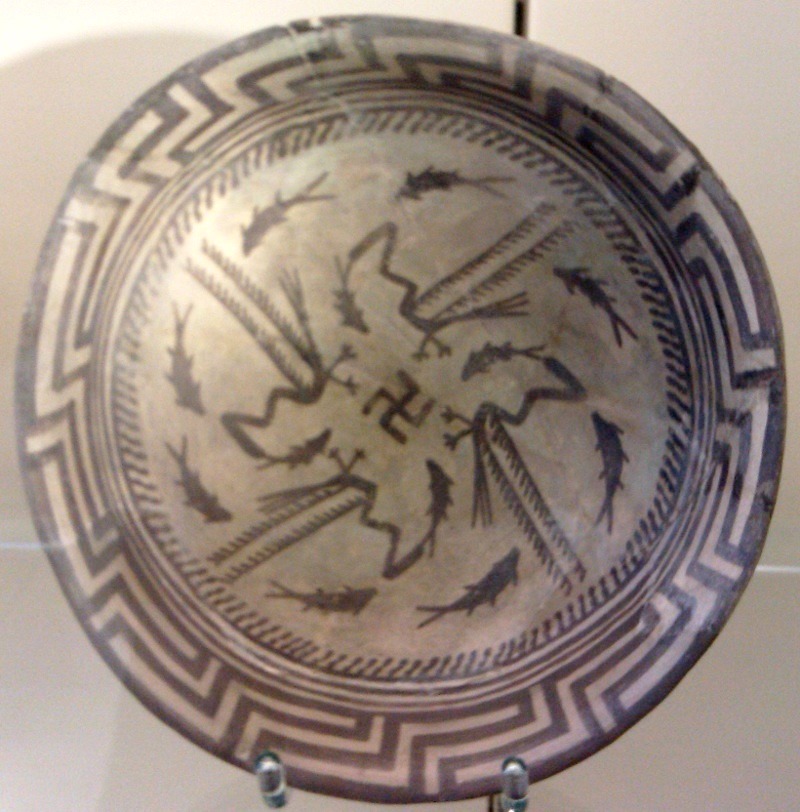
The swastika is a symbol that has appeared for thousands of years across numerous cultures and religious traditions throughout Eurasia, as well as in parts of Africa and the Americas. Historically, it functioned as a sign associated with divinity, auspiciousness, and spirituality, and it continues to hold religious significance in traditions such as Hinduism, Buddhism, and Jainism.
In the Western world, however, the symbol is now predominantly linked with the Nazi Party, which appropriated it in the 20th century and displayed it prominently on the national flag of Germany and in other official contexts. This association persists today, reinforced by the symbol’s continued use among neo-Nazi groups worldwide.


sources
https://en.wikipedia.org/wiki/Swastika_Laundry
https://en.wikipedia.org/wiki/Swastika
https://encyclopedia.ushmm.org/content/en/article/history-of-the-swastika

 History of Sorts
Leave a comment