
On December 2, 1845, U.S. President James K. Polk addressed Congress, advocating for the aggressive westward expansion of the United States—a philosophy widely known as “Manifest Destiny.”
I first encountered the term in the 1970s when I heard it mentioned in Redbone’s song Wounded Knee. For years, however, I misheard the lyrics, thinking they sang “America’s destiny.” In my defense, I was only five or six years old at the time.
Few phrases in American history carry the weight of Manifest Destiny. Coined in 1845 by journalist John L. O’Sullivan, the term encapsulated a nation’s belief that it was not just a privilege but a divine obligation to expand across North America. Today, it remains both a symbol of America’s ambitions and a source of reflection on its historical consequences.
A Vision Fueled by Idealism
In the mid-19th century, the United States was a young nation bursting with potential. Its citizens looked westward, envisioning a land of endless opportunity. Manifest Destiny promised prosperity, political strength, and a chance to spread democracy and Christianity across untamed lands. Settlers imagined lush farmland, bustling ports on the Pacific, and an America that spanned “from sea to shining sea.”
But this vision wasn’t purely economic or political. It was rooted in a sense of moral mission—a belief that American values of liberty and self-governance were so virtuous they should be shared with the entire continent. “It is our manifest destiny to overspread the continent allotted by Providence,” O’Sullivan declared, weaving religion and nationalism into a rallying cry.
The Path to Expansion
The promise of Manifest Destiny took physical form through significant territorial acquisitions.
- The Louisiana Purchase (1803) had already doubled the nation’s size.
- The annexation of Texas (1845) and the subsequent Mexican-American War (1846-1848) extended the U.S. into the Southwest and California.
- Treaties with Britain ensured American control over Oregon, fulfilling the dream of a Pacific coast presence.
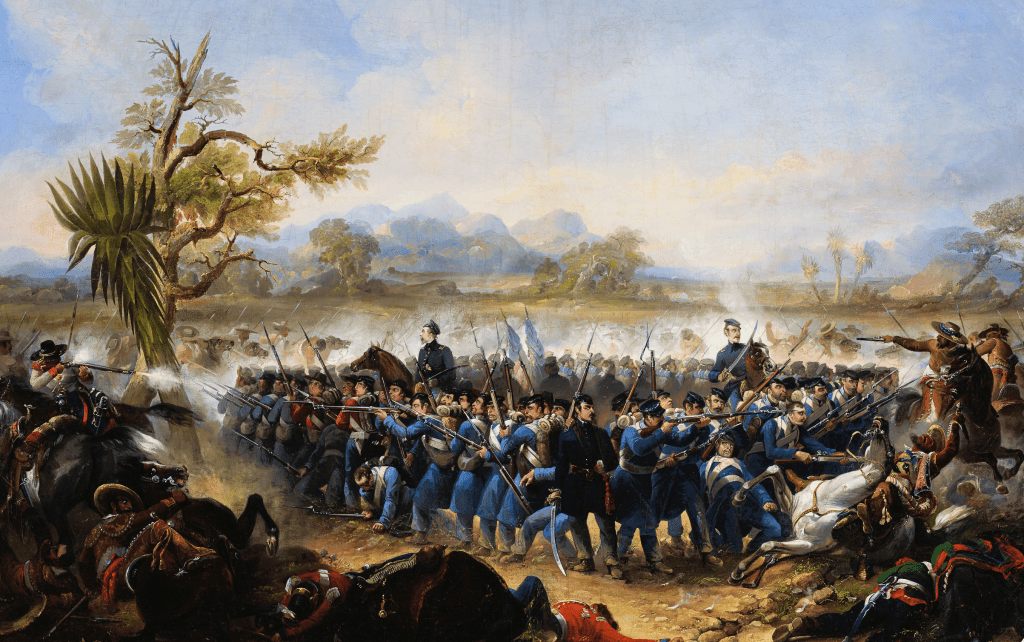
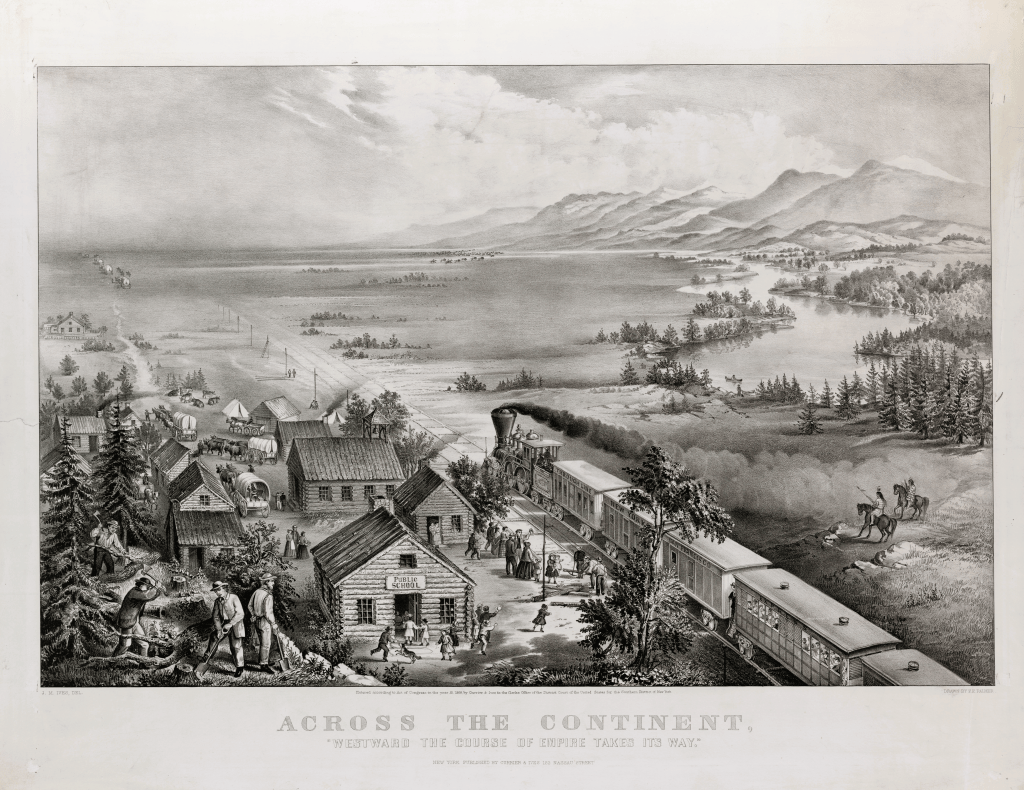
Each new frontier brought new opportunities—but also new challenges. Railroads were built, homesteads were established, and trade routes expanded. Yet, the quest for land often came at a high human cost.
Winners and Losers
While Manifest Destiny painted a picture of progress, its darker realities tell a different story. Native American communities were the most immediate and devastating casualties. Driven off their ancestral lands, many endured violence, broken treaties, and forced migrations, like the infamous Trail of Tears. The promise of a better life for settlers often translated into cultural erasure and suffering for Indigenous peoples.
Mexican citizens in territories like California and New Mexico found themselves caught between two nations. Following the Mexican-American War, these regions were annexed, and many residents faced discrimination and displacement in their new country.
The expansion also deepened the schism over slavery. Would new territories allow enslaved people, or would they be free? Each new state tipped the delicate balance, escalating tensions that ultimately led to the Civil War.
A Controversial Legacy
In hindsight, Manifest Destiny is a double-edged sword. On one hand, it spurred technological advancements, bolstered the U.S. economy, and transformed a fledgling republic into a continental powerhouse. On the other, it symbolized an era of imperialism that disregarded the rights of Indigenous peoples, Mexican citizens, and others who stood in the way of the American dream.
Modern debates about Manifest Destiny often mirror discussions about the U.S.’s current role on the world stage. Is the nation’s influence abroad a force for good, or does it risk repeating the mistakes of overreach?
Moving Forward
Understanding Manifest Destiny is essential to reckoning with America’s past and shaping its future. It’s a reminder of what can be achieved through ambition and innovation—but also a cautionary tale about the cost of expansion without justice.
For every step westward taken by the pioneers, there was a story of loss, displacement, or resistance. And in those stories lie lessons for how the U.S. can pursue its goals responsibly in a world that’s increasingly interconnected, yet still scarred by the legacies of past empires.
Wounded Knee
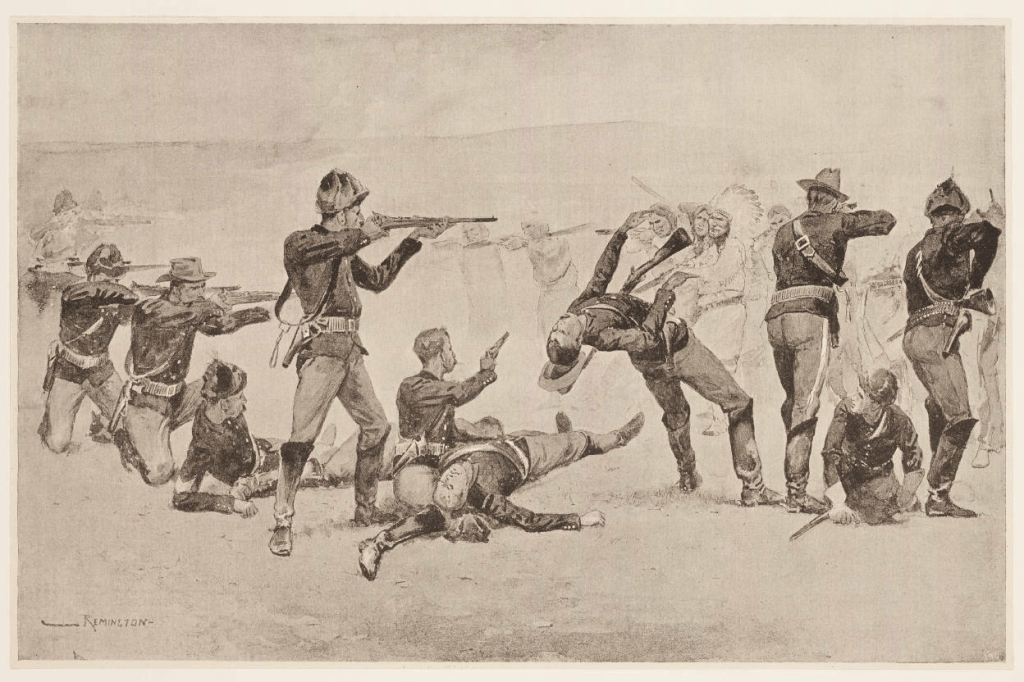
The link between Manifest Destiny and the events at Wounded Knee lies in the broader history of U.S. westward expansion and its devastating impact on Native American communities. Here’s how they are connected:

- Manifest Destiny as a Driving Ideology: The concept of Manifest Destiny, popularized in the mid-19th century, justified the expansion of the United States across North America. It was rooted in the belief that the U.S. had a divine right and duty to spread its political, economic, and cultural systems. This ideology often disregarded the rights and sovereignty of Indigenous peoples, leading to widespread displacement, violence, and the erosion of Native cultures.
- Impact on Native Americans: Manifest Destiny fueled policies such as the Indian Removal Act of 1830, the forced relocations (e.g., the Trail of Tears), and the aggressive push into lands guaranteed to Native tribes by treaties. These policies decimated Native populations and confined them to reservations, stripping them of their traditional lands and ways of life.
- Prelude to Wounded Knee: The Wounded Knee Massacre of 1890 was a direct consequence of decades of Manifest Destiny-driven policies. The U.S. government sought to suppress Native American resistance and forcibly assimilate tribes into Western culture. Tensions over land, broken treaties, and cultural repression, including bans on spiritual practices like the Ghost Dance, culminated in the killing of over 250 Lakota men, women, and children at Wounded Knee Creek.
- 1973 Occupation and Legacy: The 1973 Wounded Knee Occupation was a response to the ongoing legacy of Manifest Destiny. Native activists highlighted the historical and ongoing injustices stemming from U.S. expansionism, treaty violations, and systemic oppression. Wounded Knee was chosen symbolically, linking the protest to the site of the 1890 massacre and the broader history of Native resistance.
In essence, the ideology of Manifest Destiny set the stage for the systemic dispossession and marginalization of Native Americans, which eventually led to both the 1890 massacre and the 1973 protest, making Wounded Knee a powerful symbol of Indigenous struggle and resilience.
sources
https://www.newsweek.com/manifest-destiny-history-westward-expansion-us-1515999
https://www.britannica.com/event/Manifest-Destiny
https://americanexperience.si.edu/historical-eras/expansion/pair-westward-apotheosis/
https://www.history.com/topics/19th-century/manifest-destiny
https://en.wikipedia.org/wiki/Manifest_destiny
https://www.npr.org/2023/02/27/1159630250/wounded-knee-occupation-50th-anniversary
https://en.wikipedia.org/wiki/Wounded_Knee_Massacre
Donation
Your readership is what makes my site a success, and I am truly passionate about providing you with valuable content. I have been doing this at no cost and will continue to do so. Your voluntary donation of $2 or more, if you are able, would be a significant contribution to the continuation of my work. However, I fully understand if you’re not in a position to do so. Your support, in any form, is greatly appreciated. Thank you. To donate, click on the credit/debit card icon of the card you will use. If you want to donate more than $2, just add a higher number in the box left from the PayPal link. Your generosity is greatly appreciated. Many thanks.
$2.00
 History of Sorts
Leave a comment