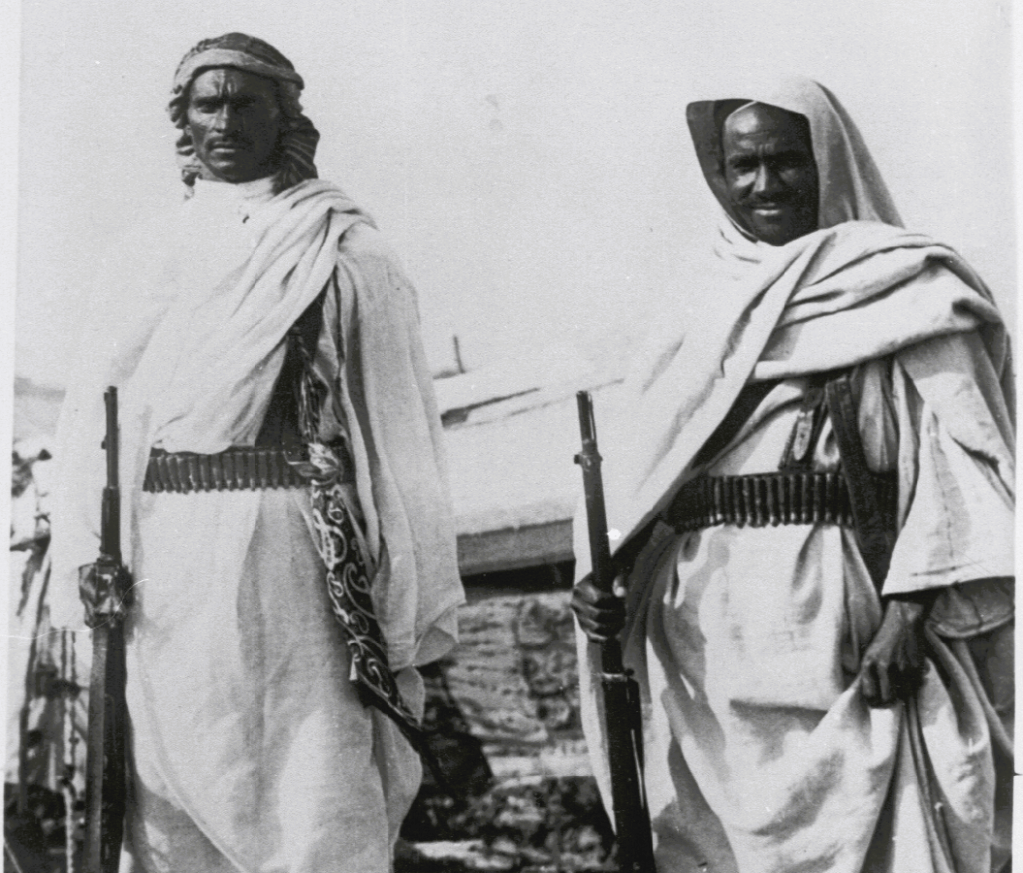
The invasion of British Somaliland on August 3, 1940, marks a significant episode in the broader context of World War II, particularly in the East African Campaign. This military operation, undertaken by Italian forces, demonstrated the strategic importance of the Horn of Africa and highlighted the complex interplay of colonial powers in the region. The invasion, part of Italy’s broader ambitions under Mussolini to expand its empire, involved a combination of land and air assaults aimed at dislodging British control over the territory.
Italian interest in East Africa was part of a long-standing ambition to establish a greater Italian empire, mirroring the colonial pursuits of other European powers. Italy had already established control over Ethiopia, Eritrea, and Italian Somaliland, collectively known as Italian East Africa. The onset of World War II provided Mussolini with an opportunity to expand these territories and challenge British supremacy in the region.
British Somaliland, located on the southern coast of the Gulf of Aden, was a strategically vital location due to its proximity to the Suez Canal, a crucial maritime route. The British had maintained a relatively small military presence in the region, relying on local forces and the harsh terrain to defend against any potential invasions.
On August 3, 1940, Italian forces launched their invasion of British Somaliland under the command of General Guglielmo Nasi. The Italian force, comprising approximately 24,000 troops, was significantly larger and better equipped than the British defenders, who numbered around 4,000, including colonial troops from the King’s African Rifles and local militias.
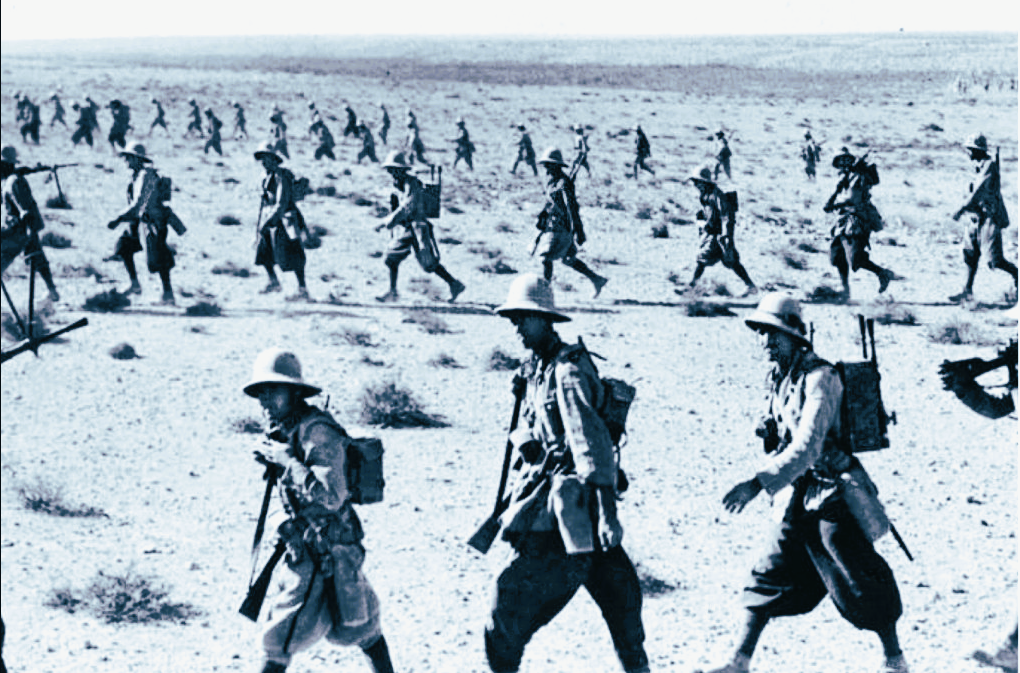
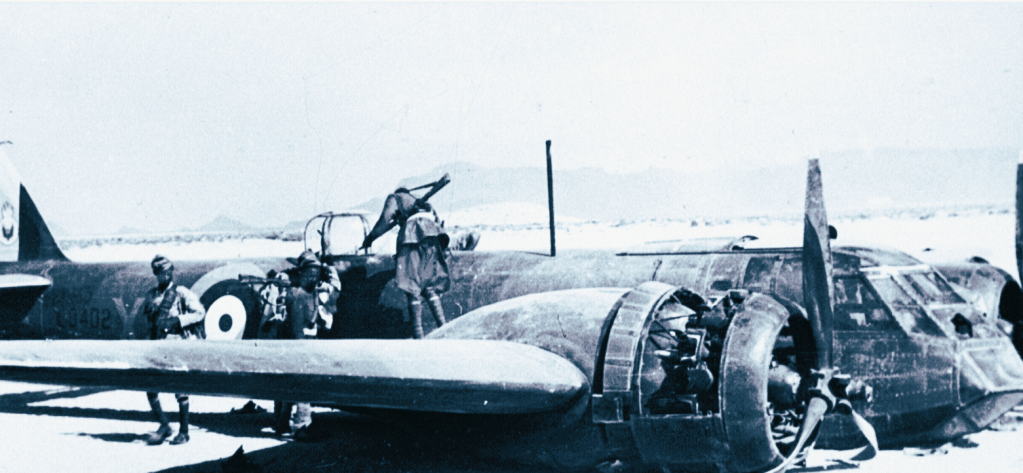
The invasion began with a coordinated assault involving infantry, mechanized units, and air support. The Italian advance was facilitated by their superior numbers and the element of surprise. The British forces, commanded by Brigadier Arthur Chater, were initially able to put up a stiff resistance, particularly at the Battle of Tug Argan, a key defensive position.
The Battle of Tug Argan, which took place between August 11 and 15, 1940, was a crucial engagement during the invasion. Despite their numerical disadvantage, the British forces utilized the rugged terrain to establish defensive positions. The Italians, however, leveraged their artillery and air superiority to gradually wear down British defenses. The fierce fighting at Tug Argan exemplified the determination and resilience of the British and Commonwealth forces, but it also underscored the overwhelming Italian military advantage.
Faced with the prospect of being encircled and overwhelmed, Brigadier Chater made the strategic decision to withdraw his forces towards the coastal town of Berbera. This withdrawal was conducted under the cover of night and involved the evacuation of troops and civilians by sea. The Royal Navy played a crucial role in facilitating this evacuation, ensuring that a significant portion of the British forces could escape to Aden and continue the fight against the Axis powers.
The fall of British Somaliland on August 19, 1940, marked a temporary victory for Italian forces and Mussolini’s East African ambitions. However, this success was short-lived. The British, bolstered by reinforcements and the support of their allies, launched a counter-offensive in early 1941 as part of the East African Campaign. By March 1941, British and Commonwealth forces had recaptured British Somaliland, effectively reversing the Italian gains.
The invasion of British Somaliland highlighted the strategic importance of the Horn of Africa in World War II. It also demonstrated the limitations of Italian military capabilities, as their initial successes were quickly undone by the superior logistics and coordination of British forces. Moreover, the invasion underscored the resilience and adaptability of colonial troops and local militias who played a crucial role in the defense and eventual recapture of the territory.
Sources
https://dbpedia.org/page/Italian_invasion_of_British_Somaliland
https://military-history.fandom.com/wiki/Italian_conquest_of_British_Somaliland
Donation
I am passionate about my site and I know you all like reading my blogs. I have been doing this at no cost and will continue to do so. All I ask is for a voluntary donation of $2, however if you are not in a position to do so I can fully understand, maybe next time then. Thank you. To donate click on the credit/debit card icon of the card you will use. If you want to donate more then $2 just add a higher number in the box left from the PayPal link. Many thanks.
$2.00
 History of Sorts
Leave a comment