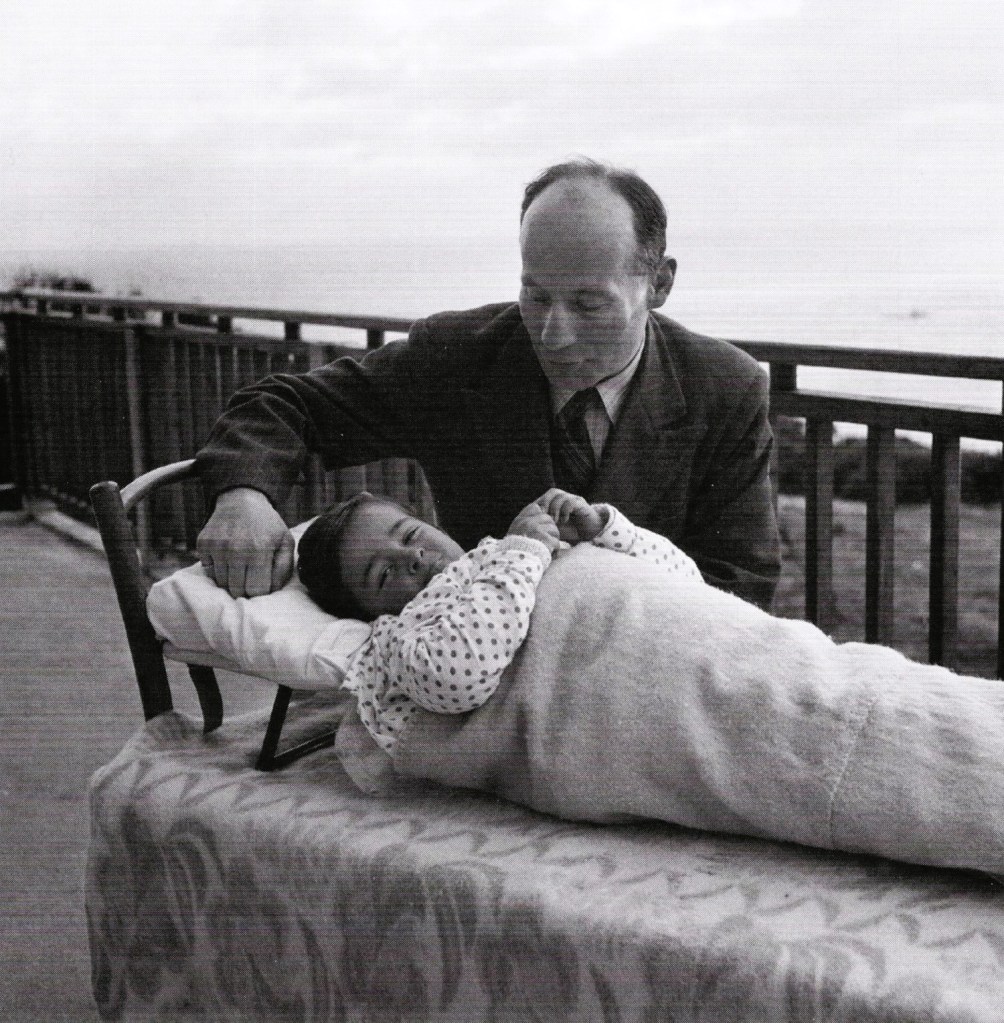
William Robert Fitzgerald Collis (1900–1975) was an Irish doctor and writer. As an author, he was known as Robert Collis. As a doctor, he was commonly known as Dr Bob Collis. Maurice Collis was his elder brother, and John Stewart Collis was his twin brother.|
He was born in Killiney, County Dublin. He joined the British Army in 1918 as a cadet but resigned a year later to study medicine. He played rugby for Cambridge University, including Blues in 1919 and 1920, and won seven caps for Ireland in 1924, 1925 and 1926.
Bob Collis grew up in an era marked by social and political unrest in Ireland. Despite the turbulent times, his upbringing was rooted in education and compassion, values that would later drive his career choices.
He joined a British medical team dispatched to Bergen-Belsen in April 1945, shortly after the camp was liberated.
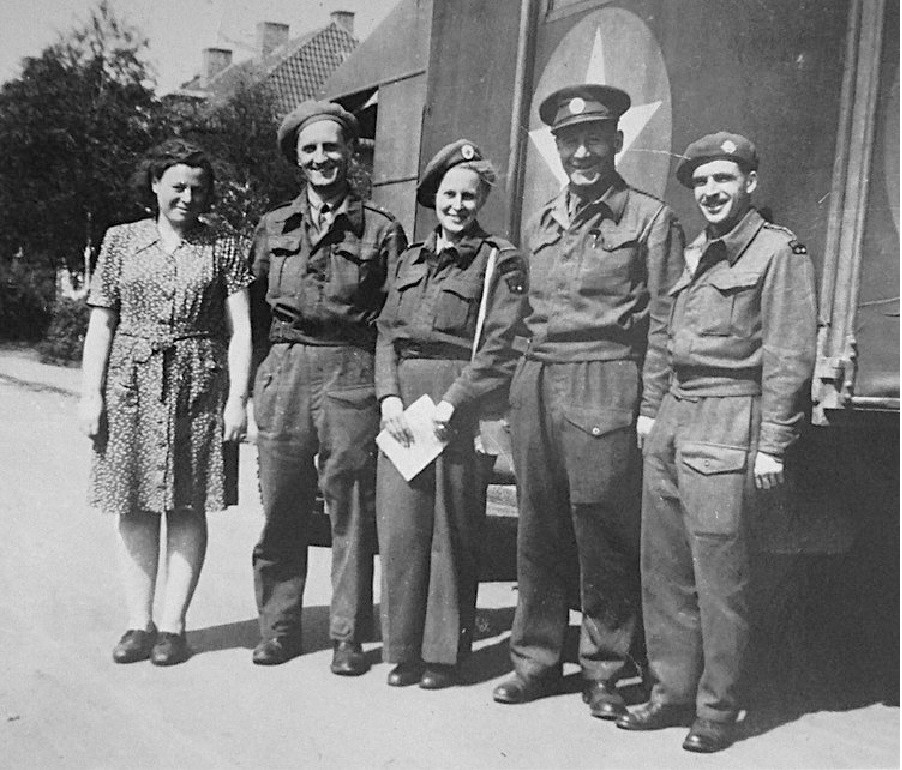
The horrific conditions he encountered there forever changed his life and led him to dedicate himself to the care of survivors, particularly children who had been orphaned or displaced by the atrocities of the Holocaust. This essay examines Dr. Collis’s time at Bergen-Belsen, highlighting his impact on survivors, his medical efforts, and his legacy as a compassionate and courageous physician.
Background: Liberation of Bergen-Belsen
Bergen-Belsen, a Nazi Concentration Camp in Northern Germany, was liberated by British forces on April 15, 1945. By that time, thousands of prisoners had died from starvation, disease, and exhaustion, and those who survived were in critical condition. The liberation of the camp revealed unspeakable scenes of human suffering, with mass graves and emaciated survivors requiring immediate medical intervention. The British government and military quickly organized medical teams to address the emergency. Dr. Bob Collis, then serving in the British Army Medical Corps, was among those who volunteered to assist.
Collis’s decision to join the relief effort at Bergen-Belsen marked the beginning of his humanitarian journey with Holocaust survivors. Trained as a pediatrician, he brought not only medical expertise but also a genuine empathy that deeply influenced his approach to patient care. Collis arrived at Bergen-Belsen shortly after liberation and was confronted with an overwhelming task: to bring comfort, care, and healing to those who had endured unimaginable suffering.
Medical Efforts in Dire Conditions
The conditions at Bergen-Belsen were dire, with rampant disease, starvation, and psychological trauma among the survivors. Collis and his fellow medics had to contend with severe cases of typhus, tuberculosis, dysentery, and malnutrition while working in makeshift facilities lacking adequate supplies. Despite the challenges, Collis devoted himself tirelessly to treating the camp’s survivors, working around the clock to save as many lives as possible. His background in pediatrics was especially useful, as children at the camp were among the most vulnerable and often required intensive care due to prolonged deprivation.
For Dr. Collis, treating patients went beyond mere physical healing. He recognized that survivors, especially children, were in desperate need of psychological support and emotional security. He sought to provide not only medical care but also a sense of dignity and hope, trying to rebuild some semblance of humanity for those who had been stripped of it by the horrors of the camp.
Compassion for Orphaned and Displaced Children
Dr. Collis’s empathy and compassion for children were particularly evident in his interactions with the young survivors at Bergen-Belsen. Among these children were Edith and Zoltan Zinn-Collis, a Hungarian-Jewish boy who had lost his family in the Holocaust. Collis was deeply moved by Zoltan’s resilience and suffering, and he developed a strong bond with the children. Recognizing that Zoltan and Edith had no family left and that returning to his home country was not a viable option, Dr. Collis made the remarkable decision to adopt them. By bringing Zoltan back to Ireland, Collis gave him not only a new home but also a renewed sense of belonging and love.
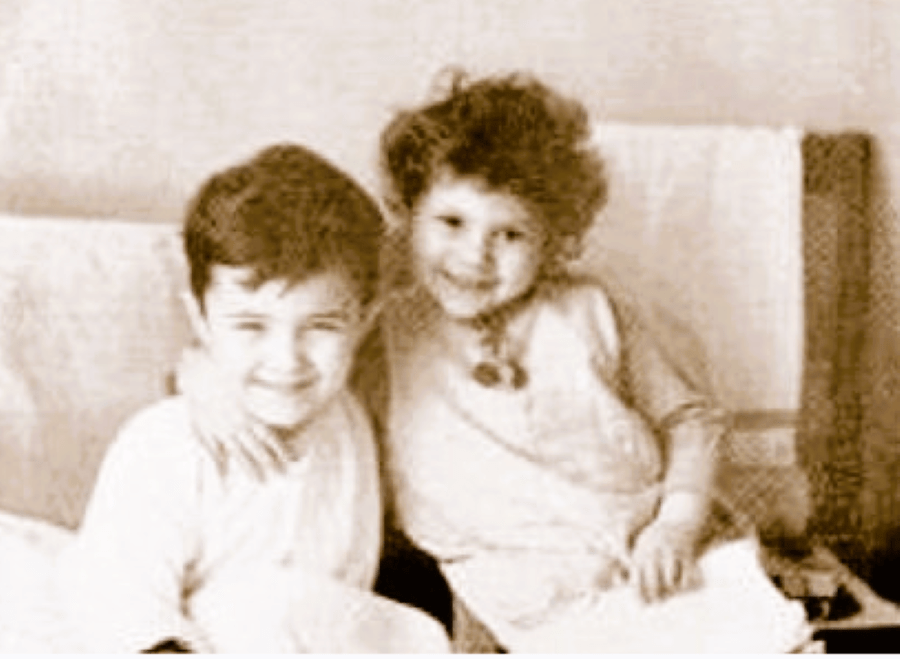
This act of compassion and generosity reflected Collis’s belief in the sanctity of human life and his unwavering commitment to improving the lives of those who had endured unspeakable suffering. Zoltan would later take Collis’s last name as a tribute to the man who saved his life and became his father. The adoption was a symbol of hope amid the despair of Bergen-Belsen, a testament to Dr. Collis’s willingness to go above and beyond the call of duty to make a difference.
Zoltan Zinn-Collis believes he was born on August 1, 1940, in Kežmarok, Czechoslovakia, although he is uncertain of the exact date. During the Nazis’ final purge of Slovak Jews, Zoltan’s mother, a Hungarian Protestant, was offered the chance to renounce her marriage to his Jewish father. She refused, and as a result, the entire family was rounded up and deported.
The family was forced into separate compartments on cattle trucks—Zoltan’s father with the other men, and Zoltan, his mother, and siblings in another—and transported to the concentration camp at Ravensbrück, Germany. Upon arrival, Zoltan’s father was sent to his death, while the remaining family members were taken further west to Bergen-Belsen. Tragically, Zoltan’s younger sister did not survive the journey.
By the time the British army liberated Bergen-Belsen in April 1945, Zoltan had endured months in the camp. Conditions were appallingly squalid, with rampant starvation and disease. Zoltan had contracted tuberculosis of the spine. His mother, suffering from typhoid, passed away on the very day the British army entered the camp. Not long after the liberation, Zoltan’s older brother, Aladar, also succumbed to illness.
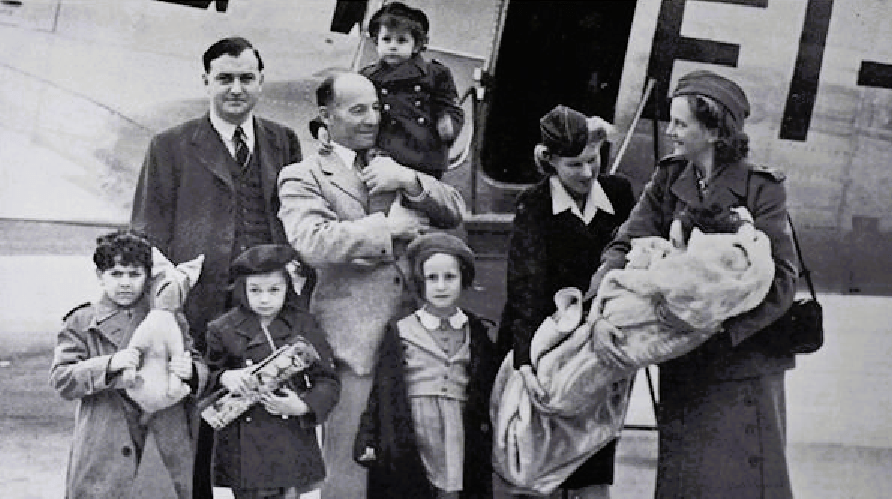
At a makeshift hospital set up by the British army, Zoltan and his sister Edith began to recover. They quickly became favorites of an Irish Red Cross doctor, Bob Collis, who promised to bring them home with him to Ireland. After a year of recuperation in Sweden, Zoltan and Edith, along with four other orphaned children—Suszi and Tibor Molnar, Evelyn Schwartz, and Franz Berlin—arrived with Dr. Collis in Dublin. The children continued their convalescence at Fairy Hill Hospital in Howth, north of Dublin. However, Zoltan’s spinal tuberculosis had caused lasting damage, from which he never fully recovered.
Dr. Collis welcomed Zoltan and Edith into his own family, and the Zinn children added the surname “Collis” as a tribute. Living with the Collis family, they divided their time between Bob’s home in Fitzwilliam Square, Dublin, and a country house in the Wicklow Mountains. Zoltan eventually settled in Ireland, working professionally as a chef. He married Joan, with whom he made a home in Athy, Co. Kildare. Together, they raised four daughters and were later blessed with three grandchildren and two great-grandchildren.
Zoltan passed away in December 2012, and his sister Edith died just three weeks later.
Documenting the Experience: A Voice for the Voiceless
In addition to his work as a physician, Dr. Collis became a powerful voice for the survivors of Bergen-Belsen. He documented his experiences in the camp and later wrote several books, including Straight On, in which he recounted the suffering he witnessed and the resilience he observed among survivors. Through his writing, Collis brought attention to the Holocaust’s impact on children and the lasting effects of trauma. His accounts are unique in that they combine the perspective of a physician with the emotional sensitivity of a humanitarian, creating a lasting record that continues to educate and inspire future generations.
Dr. Collis’s writings served as both a personal catharsis and a historical testimony to the horrors he encountered, as well as the remarkable spirit of those who survived. His work brought the stories of these individuals to a broader audience, raising awareness about the need for compassion, understanding, and support for those who had experienced such immense tragedy.
Legacy and Impact
Dr. Bob Collis’s time at Bergen-Belsen left an indelible mark on his life and career. His efforts went far beyond his medical training; they demonstrated a rare blend of courage, empathy, and moral conviction. His commitment to the survivors, especially children, showcased his unwavering dedication to helping those in need, regardless of the challenges. The children he helped, like Zoltan, became a living legacy of his compassion and humanitarianism.
Collis’s experiences at Bergen-Belsen also influenced his later work in Ireland, where he continued to advocate for the well-being of children and marginalized communities. His story is a powerful reminder of the role that individuals can play in alleviating suffering and bringing hope to those affected by atrocities. Dr. Collis’s legacy lives on through his writings, his family, and the lives he touched. Today, he is remembered not only as a brilliant pediatrician but also as a compassionate hero who, in the midst of one of history’s darkest moments, extended a hand to the innocent and vulnerable, helping them find a path toward healing and a future beyond the horror.
Sources
https://www.holocausteducationireland.org/zoltan-and-edith-zinncollis
https://en.wikipedia.org/wiki/Robert_Collis
https://www.holocausteducationireland.org/bob-collis
https://www.dib.ie/biography/collis-william-robert-fitzgerald-bob-a1867
Donation
Your readership is what makes my site a success, and I am truly passionate about providing you with valuable content. I have been doing this at no cost and will continue to do so. Your voluntary donation of $2 or more, if you are able, would be a significant contribution to the continuation of my work. However, I fully understand if you’re not in a position to do so. Your support, in any form, is greatly appreciated. Thank you. To donate, click on the credit/debit card icon of the card you will use. If you want to donate more than $2, just add a higher number in the box left from the PayPal link. Your generosity is greatly appreciated. Many thanks.
$2.00

 History of Sorts
Leave a comment