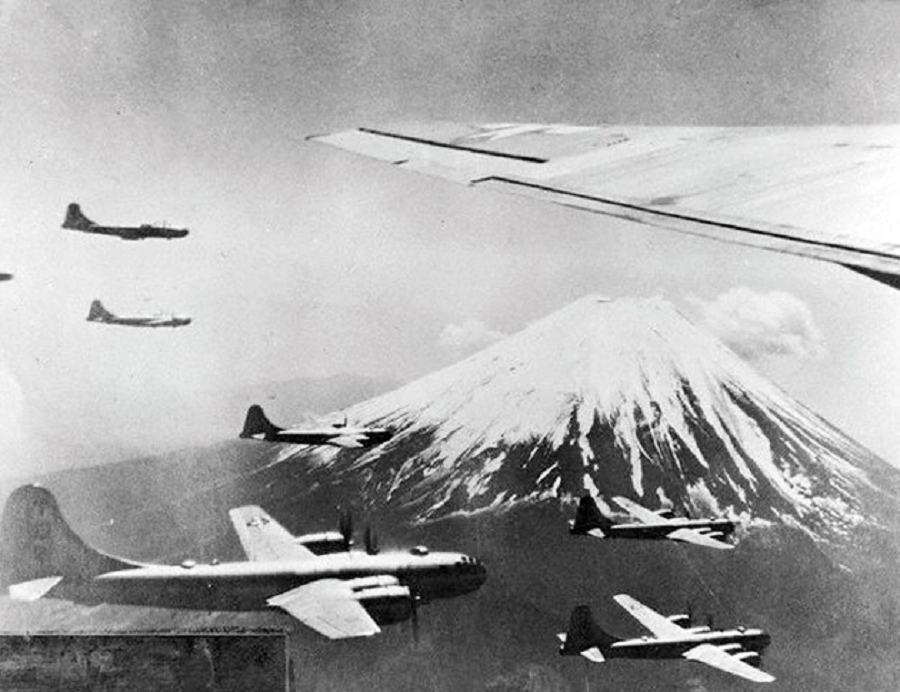
On November 15, 1941—just three weeks before Pearl Harbor—General George C. Marshall spoke candidly in an off-the-record briefing with reporters. “If war with the Japanese does come, we’ll fight mercilessly,” he declared. “Flying Fortresses will be dispatched immediately to set the paper cities of Japan on fire. There won’t be any hesitation about bombing civilians—it will be all-out.”
More than three years of brutal global warfare would pass before Marshall’s prediction became reality. But on the night of March 9-10, 1945, it did.
Operation Meetinghouse was the codename for the firebombing raid conducted by the United States Army Air Forces (USAAF) against the Japanese capital, Tokyo, on the night of March 9–10, 1945. This attack remains one of the deadliest air raids in history, surpassing even the atomic bombings of Hiroshima and Nagasaki in terms of immediate casualties. The operation marked a significant shift in American bombing strategy during World War II and had devastating consequences for Japan.
Background
By early 1945, the United States had gained significant ground in the Pacific Theater, capturing islands such as the Marianas, which provided strategic bases for long-range B-29 Superfortress bombers. Previous high-altitude precision bombing raids on Japan had proven ineffective due to high winds (jet streams) and poor visibility. In response, General Curtis LeMay, commander of the XXI Bomber Command, shifted tactics to low-altitude nighttime incendiary bombing, targeting Japan’s densely populated and highly flammable urban centers.

The Raid: March 9–10, 1945
The operation began late on the night of March 9, 1945. A fleet of 279 B-29 bombers took off from U.S. bases in the Marianas, primarily Tinian, Saipan, and Guam. The bombers were stripped of most defensive armament to carry more incendiary bombs, specifically the M-69 napalm-based cluster bombs designed to ignite buildings and spread rapidly.
Flying at altitudes between 5,000 and 9,000 feet—significantly lower than previous raids—the bombers targeted the heart of Tokyo, particularly the densely populated Shitamachi district, which consisted of wooden homes and small factories. This area was ideal for incendiary bombing due to its high concentration of wooden and paper structures.
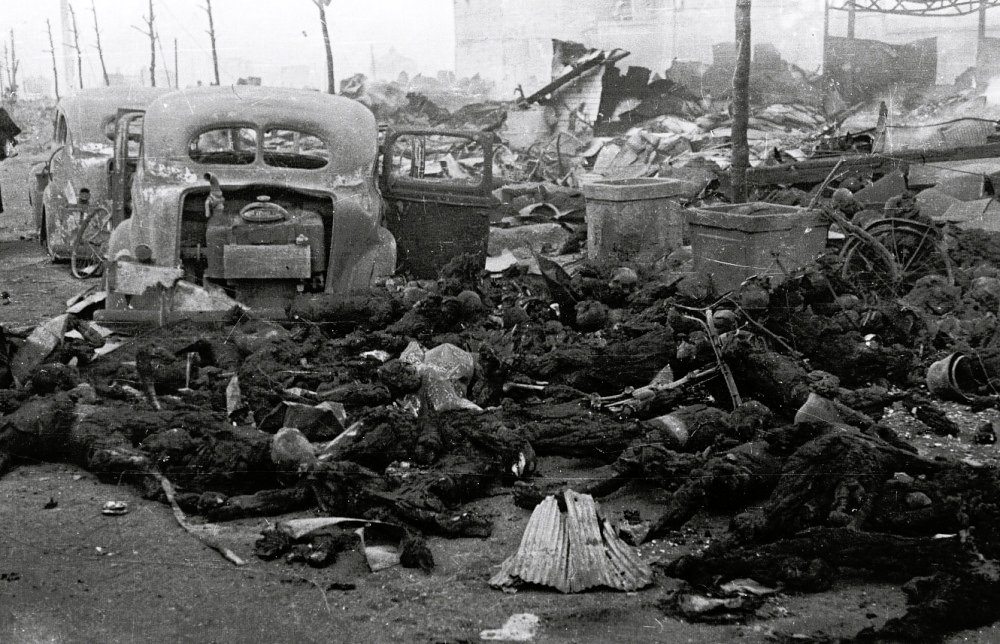
The firestorm created by the bombing engulfed a 16-square-mile area of Tokyo, generating hurricane-force winds and temperatures reaching up to 1,800°F (980°C). The intense heat melted asphalt, boiled rivers, and suffocated civilians in bomb shelters. Many who attempted to flee were caught in the fire or drowned while seeking refuge in canals.
Casualties and Damage
The devastation caused by Operation Meetinghouse was staggering. Estimates suggest that approximately 100,000 people were killed in a single night, making it the deadliest bombing raid in history. The vast majority of the victims were civilians, including women and children. Over one million people were left homeless, and nearly 267,000 buildings were destroyed.
Tokyo’s infrastructure was crippled, with transportation, communication, and medical services severely disrupted. The scale of destruction was so immense that it took weeks to assess the full extent of the damage. In comparison, the atomic bombings of Hiroshima and Nagasaki killed an estimated 140,000 and 70,000 people, respectively, but over a longer period due to radiation exposure.
Strategic Impact
The firebombing of Tokyo, along with subsequent incendiary raids on other Japanese cities, demonstrated the effectiveness of area bombing against Japan’s urban and industrial centers. The psychological impact on the Japanese population was profound, contributing to a growing sense of despair and weakening morale.
Militarily, the operation further crippled Japan’s war production capacity, as many small factories—often housed within residential areas—were completely destroyed. However, despite the devastation, Japan’s leadership remained resolute, and the country did not surrender until the atomic bombings and the Soviet Union’s declaration of war in August 1945.
Ethical and Controversial Aspects
Operation Meetinghouse remains one of the most controversial military actions of World War II. Critics argue that the deliberate targeting of civilian populations constitutes a war crime, while others contend that the attack was justified as a means to expedite Japan’s surrender.
The debate over the morality of area bombing, particularly against cities with minimal military targets, continues to this day. Supporters argue that the strategy ultimately saved lives by hastening the war’s end, while detractors emphasize the enormous civilian toll and question the necessity of such indiscriminate destruction.
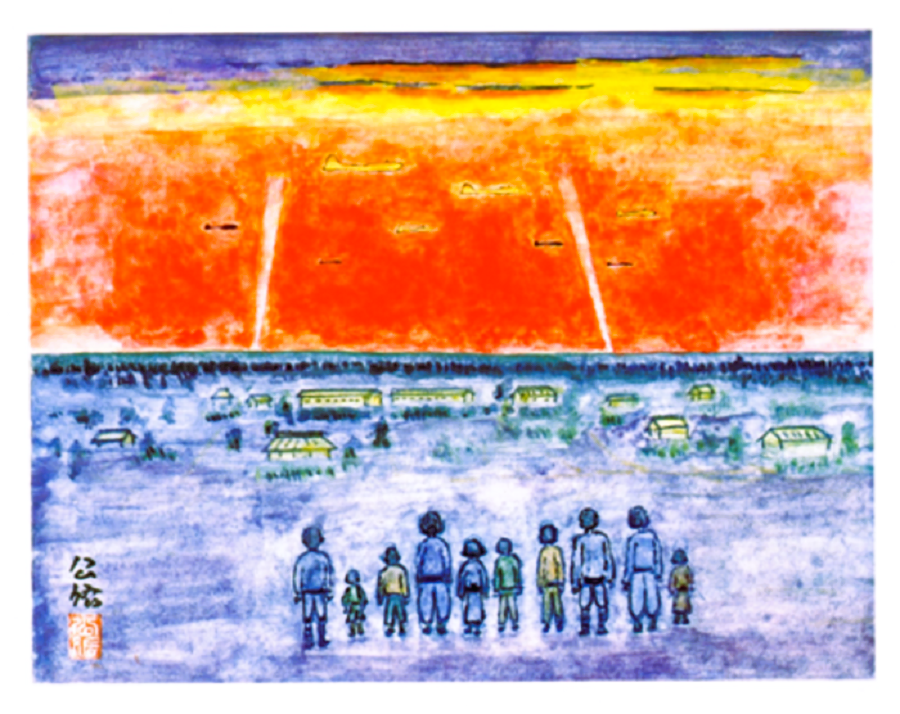
The raid lasted just over three hours—and resumed the next day. “In the black Sumida River, countless bodies were floating—clothed bodies, naked bodies—all black as charcoal. It was unreal,” recalled a doctor at the scene.
Operation Meetinghouse stands as a stark reminder of the horrors of war and the devastating impact of strategic bombing. The raid not only obliterated vast sections of Tokyo but also left an indelible mark on the history of warfare. As historians continue to analyze its consequences, the ethical implications of firebombing civilian populations remain a subject of significant discussion. Regardless of perspective, the Tokyo firebombing underscores the immense suffering endured during World War II and serves as a powerful lesson in the costs of total war.
sources
https://www.history.com/this-day-in-history/firebombing-of-tokyo
https://www.nationalww2museum.org/war/articles/hellfire-earth-operation-meetinghouse
https://www.wired.com/2011/03/0309incendiary-bombs-kill-100000-tokyo/
Donation
Your readership is what makes my site a success, and I am truly passionate about providing you with valuable content. I have been doing this at no cost and will continue to do so. Your voluntary donation of $2 or more, if you are able, would be a significant contribution to the continuation of my work. However, I fully understand if you’re not in a position to do so. Your support, in any form, is greatly appreciated. Thank you. To donate, click on the credit/debit card icon of the card you will use. If you want to donate more than $2, just add a higher number in the box left from the PayPal link. Your generosity is greatly appreciated. Many thanks.
$2.00
 History of Sorts
Leave a comment