During the final days of World War II, in the spring of 1945, the Nazi regime intensified its brutal campaign against political dissidents, resistance fighters, and those deemed enemies of the state. Among the many atrocities committed during this period, one of the most harrowing took place in Rombergpark, Dortmund, where 289 anti-fascists were executed by the Nazis in an act of desperate terror and repression.
Background: The Rising Resistance
As the Third Reich crumbled under the advance of Allied forces, anti-fascist resistance groups in Germany, particularly communists, socialists, trade unionists, and other political dissidents, continued to resist Nazi rule. Many of these individuals had been imprisoned for their opposition to Hitler’s regime, accused of treason, espionage, or sabotage.
The victims of the Rombergpark massacre were among those captured by the Gestapo and SS in their final attempts to crush all internal opposition. Many had been held in the Steinwache prison in Dortmund, a site notorious for the torture and execution of political prisoners.
The Executions in Rombergpark
Between March and April 1945, as Allied forces advanced into western Germany, the Gestapo organized mass executions to eliminate prisoners before they could be liberated. Rombergpark, a botanical garden in Dortmund, was chosen as an execution site due to its secluded location, which allowed the Nazis to carry out their crimes without immediate detection.
Over several days, prisoners were transported from Steinwache and other detention centers to Rombergpark. They were shot in groups, their bodies buried in unmarked mass graves. The victims included men and women from various backgrounds—political activists, intellectuals, and ordinary citizens who had spoken out against the Nazi regime. Some were killed outright, while others suffered brutal treatment before their execution.
Aftermath and Memory
Shortly after the massacre, Dortmund was liberated by Allied forces. Investigations uncovered the mass graves, revealing the extent of Nazi war crimes in the area. Survivors and relatives of the victims worked tirelessly to document the events and ensure that those responsible were held accountable.
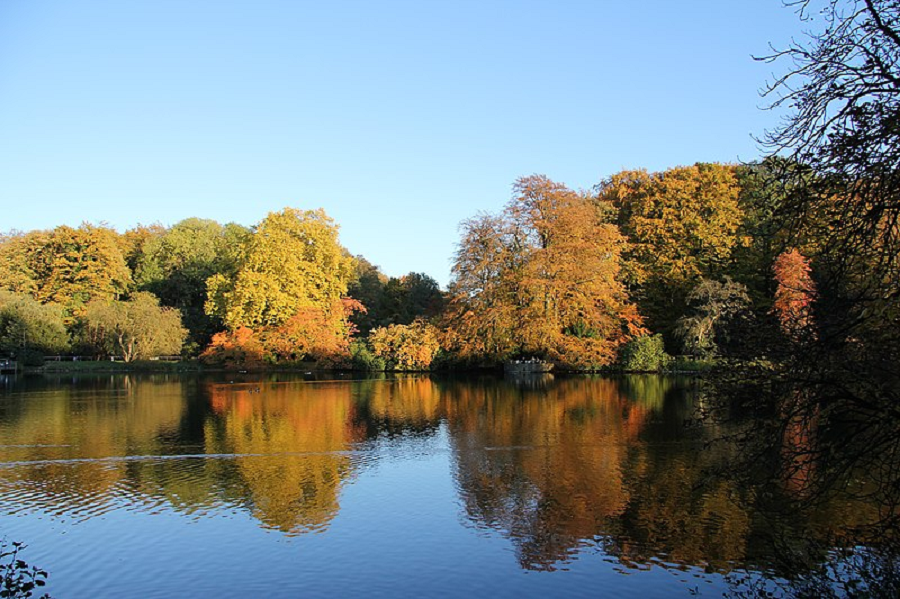
Today, Rombergpark stands not only as a place of natural beauty but also as a solemn site of remembrance. Memorials honor the 289 victims who lost their lives in the struggle against fascism. The tragedy of Rombergpark serves as a stark reminder of the cost of totalitarian oppression and the bravery of those who resisted.
Legacy of the Martyrs
The murder of the 289 anti-fascists in Rombergpark, on March 30 1945, is a tragic chapter in the history of Nazi Germany’s downfall. Their sacrifice remains a powerful testament to the resilience of the human spirit in the face of tyranny. The memory of these individuals continues to inspire anti-fascist movements and reminds the world of the necessity of vigilance against oppression, dictatorship, and crimes against humanity.
There were only a few references to the massacre, but enough to verify its occurrence.
sources
https://www.visitacity.com/en/dortmund/attractions/botanischer-garten-rombergpark
https://www.onthisday.com/date/1945/march/30
Donation
Your readership is what makes my site a success, and I am truly passionate about providing you with valuable content. I have been doing this at no cost and will continue to do so. Your voluntary donation of $2 or more, if you are able, would be a significant contribution to the continuation of my work. However, I fully understand if you’re not in a position to do so. Your support, in any form, is greatly appreciated. Thank you. To donate, click on the credit/debit card icon of the card you will use. If you want to donate more than $2, just add a higher number in the box left from the PayPal link. Your generosity is greatly appreciated. Many thanks.
$2.00


 History of Sorts
Leave a comment