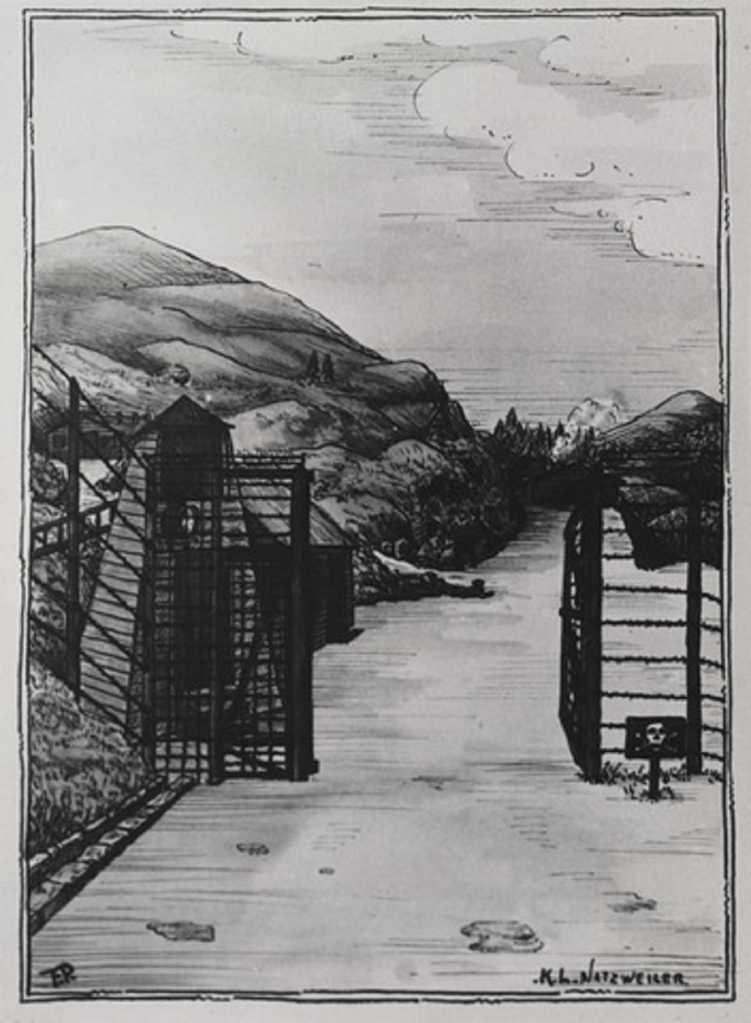
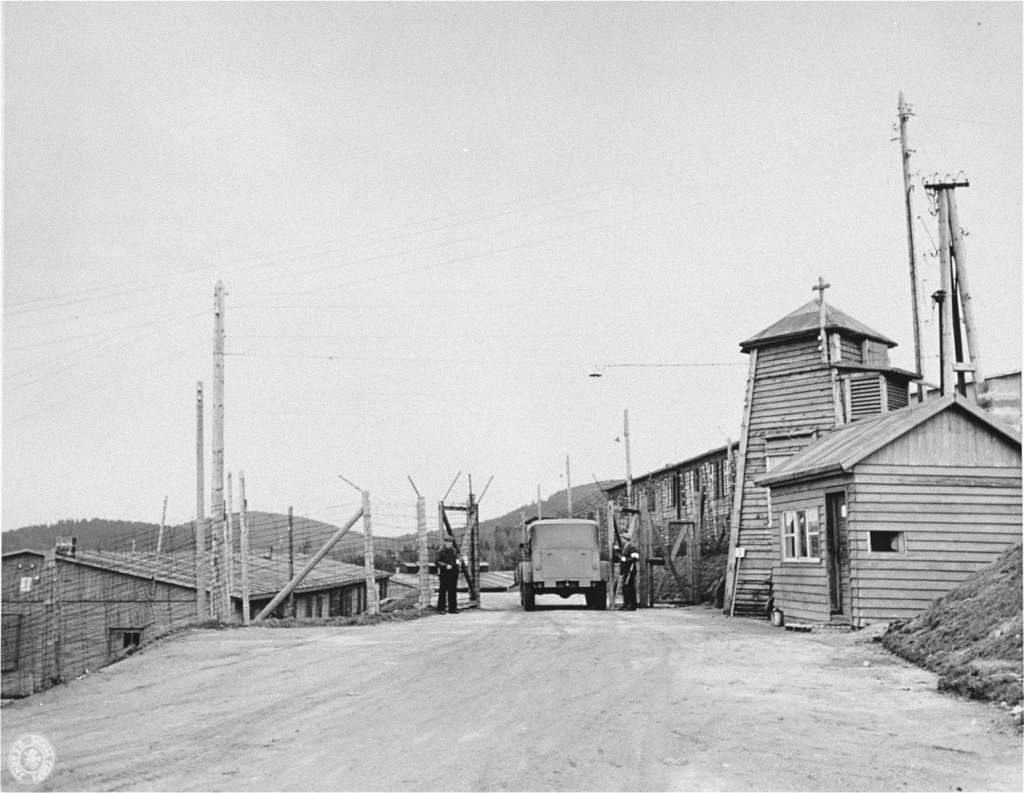
The Natzweiler-Struthof concentration camp, located in the Alsace region of France, remains a stark reminder of the cruelty and inhumanity of the Nazi regime during World War II. Established in May 1941, it was the only concentration camp set up by the Nazis on what is now French territory. Originally intended to house political prisoners and exploit nearby granite quarries, Natzweiler evolved into a site of forced labor, pseudoscientific experimentation, and systematic murder. Understanding its history not only honors the victims but also reinforces the importance of vigilance against hatred and authoritarianism.
Origins and Purpose
Natzweiler was strategically situated near the Vosges Mountains for two reasons: its relative remoteness and the presence of granite, a valuable resource for Nazi construction projects. The camp initially held primarily German political prisoners—resistance fighters, communists, and others considered enemies of the Reich. Over time, its population expanded to include people from across Europe, including French, Dutch, Norwegian, and Polish prisoners, as well as Jews, Roma, and homosexuals.
The prisoners were subjected to brutal forced labor under extreme conditions. Working in the quarry and constructing camp facilities, they endured hunger, beatings, and exposure to the elements. The mortality rate was high due to exhaustion, malnutrition, disease, and execution.
Pseudoscientific Experiments
One of the most disturbing aspects of Natzweiler was its role in Nazi medical experimentation. Under the direction of SS doctors such as August Hirt, the camp became the site of horrific experiments on prisoners. Hirt, affiliated with the Reich University of Strasbourg, oversaw the collection of Jewish skeletons for a planned anthropological display, believing it would “prove” racial inferiority. In 1943, 86 Jewish prisoners were murdered in the camp’s gas chamber so their bodies could be sent to Strasbourg for dissection and display. This atrocity exemplified the dehumanizing pseudo-science that underpinned Nazi ideology.
The Network of Subcamps
Natzweiler was not a single location but part of a larger system. As the war progressed, a network of nearly 70 subcamps was established across Alsace and southwestern Germany. These subcamps supplied forced labor to war industries, such as aircraft and armaments manufacturing. Conditions in these outposts were often even worse than in the main camp, with inadequate shelter and almost no medical care.
Liberation and Legacy
The main camp at Natzweiler was evacuated in September 1944 as Allied forces advanced. Prisoners were forced on death marches to other camps deeper within German territory. Many died along the way. The camp was officially liberated by American troops shortly after.
Today, the site of the Natzweiler-Struthof camp functions as a memorial and museum. It stands as a place of education and reflection, with preserved barracks, a museum, and exhibits on the victims and the crimes committed there. The stories of survivors and victims are central to the memorial’s mission to promote human rights and combat denial and revisionism.
sources
https://www.oorlogsbronnen.nl/thema/Natzweiler
https://encyclopedia.ushmm.org/content/en/article/natzweiler-struthof
https://en.wikipedia.org/wiki/Natzweiler-Struthof_concentration_camp
Please support us so we can continue our important work.
Donation
Your readership is what makes my site a success, and I am truly passionate about providing you with valuable content. I have been doing this at no cost and will continue to do so. Your voluntary donation of $2 or more, if you are able, would be a significant contribution to the continuation of my work. However, I fully understand if you’re not in a position to do so. Your support, in any form, is greatly appreciated. Thank you. To donate, click on the credit/debit card icon of the card you will use. If you want to donate more than $2, just add a higher number in the box left from the PayPal link. Your generosity is greatly appreciated. Many thanks.
$2.00

 History of Sorts
Leave a comment