
The Farhud, which translates to “violent dispossession,” was a violent pogrom against the Jewish population of Baghdad, Iraq, that occurred on June 1-2, 1941. This tragic event is considered one of the most significant anti-Jewish riots in the Middle East prior to the establishment of the State of Israel.
The Farhud took place during World War II, a period marked by political instability and rising nationalist sentiments in Iraq. The pro-Nazi coup led by Rashid Ali al-Gaylani in April 1941 and the subsequent British military intervention exacerbated tensions.
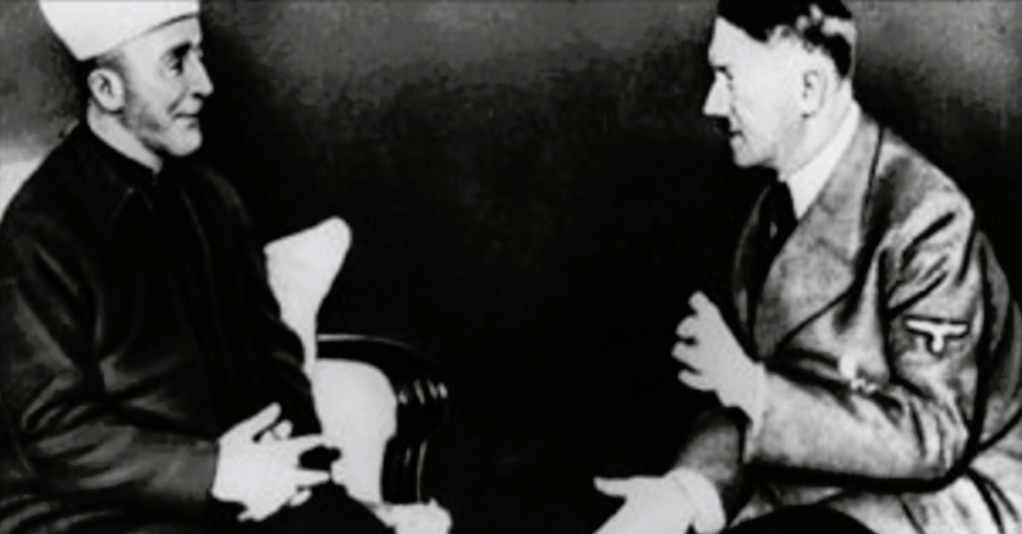
The Nazi regime’s propaganda efforts had a significant impact in Iraq, with figures like Grand Mufti of Jerusalem, Haj Amin al-Husseini, promoting anti-Semitic sentiments.
Jews in Iraq, particularly in Baghdad, were an integral part of society, involved in commerce, education, and various professions. However, rising nationalist fervor and economic difficulties contributed to growing resentment and scapegoating of the Jewish community.
The violence began on June 1, 1941, following the collapse of the pro-Nazi regime and the withdrawal of British forces from the city. Mobs, including soldiers and police officers, attacked Jewish neighborhoods, homes, and businesses. Over two days, rioters killed an estimated 180-600 Jews, though some accounts suggest higher numbers. Many more were injured, women were raped, and homes and synagogues were looted and destroyed.
The violence was eventually quelled by British and pro-British Iraqi forces. The Farhud left deep scars on the Jewish community and marked the beginning of the end for the long-established Jewish presence in Iraq.
The Farhud was a catalyst for the mass emigration of Iraqi Jews in the subsequent decade. By the early 1950s, the vast majority of Iraqi Jews had left, primarily for Israel.
The Farhud is commemorated as a poignant reminder of the vulnerability of minority communities and the dangers of unchecked hatred and violence. It also underscores the complex interplay of local, regional, and international forces in shaping the history of the Middle East.
The Farhud remains a significant, albeit painful, part of Iraqi Jewish history. It is remembered as a tragic event that highlighted the precarious position of Jews in the Middle East during a time of great upheaval.
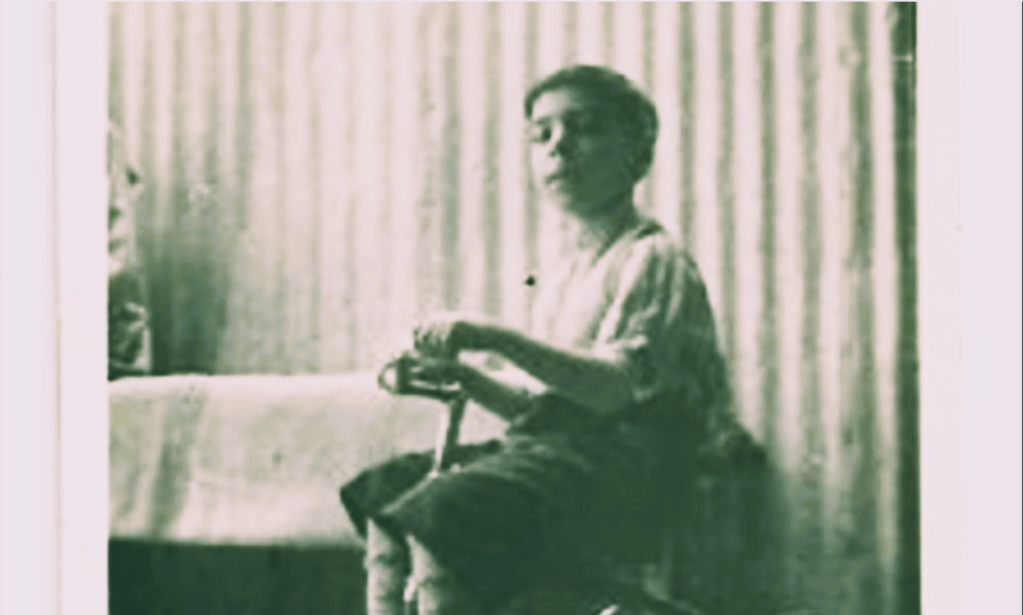
Sabih Ezra Akerib, aka Steve Acre, was only 9 when he witnessed the massacre. climbed a palm tree in the courtyard when the violence began. He remembered the cry “Cutal al Yehudi,” which translates as “slaughter the Jews.”
From the tree, he could see the landlord sitting in front of the house.
“When the mob came he talked to them. He told them that we are orphans who took refuge in his house and they cannot touch us. If they want us they have to kill him. So lucky for us, the mob moved away, moved to other houses,” he remembers.
The men then crossed the street, and screams began to emanate from the house of his mother’s best friend.
“Later, lots of men came outside and set the house on fire. And the men were shouting like from joy, in jubilation, holding up something that looked like a slab of meat in their hands.
“Then I found out, it was a woman’s breast they were carrying – they cut her breast off and tortured her before they killed her, my mother’s best friend, Sabicha.”
Until the Farhud, Baghdad had been a model of peaceful coexistence for Jews and Arabs. Jews made up about one in three of the city’s population in 1941, and most saw themselves as Iraqi first and Jewish second.
A month earlier, a pro-Nazi lawyer Rashid Ali al-Gilani, had overthrown Iraq’s royal family and started broadcasting Nazi propaganda on the radio.
But when an attack on a British Air Force base outside Baghdad ended in humiliating failure, he was forced to flee. The Farhud took place in the power vacuum that followed.
In a tragic twist to the tale, it turns out the British Army could have intervened to halt the violence. On 1 June, British cavalry were just eight miles from the city, having raced 600 miles from Palestine and Egypt under orders to prevent Iraqi oil from falling into Nazi hands.
Sources
https://link.springer.com/chapter/10.1007/978-1-349-66019-3_37
https://shc.stanford.edu/arcade/interventions/farhud-forgotten-ordeal-iraqi-jews
https://encyclopedia.ushmm.org/content/en/article/the-farhud
https://www.bbc.com/news/world-middle-east-13610702
Please support us so we can continue our important work.
Donation
Your readership is what makes my site a success, and I am truly passionate about providing you with valuable content. I have been doing this at no cost and will continue to do so. Your voluntary donation of $2 or more, if you are able, would be a significant contribution to the continuation of my work. However, I fully understand if you’re not in a position to do so. Your support, in any form, is greatly appreciated. Thank you. To donate, click on the credit/debit card icon of the card you will use. If you want to donate more than $2, just add a higher number in the box left from the PayPal link. Your generosity is greatly appreciated. Many thanks.
$2.00

 History of Sorts
Leave a comment