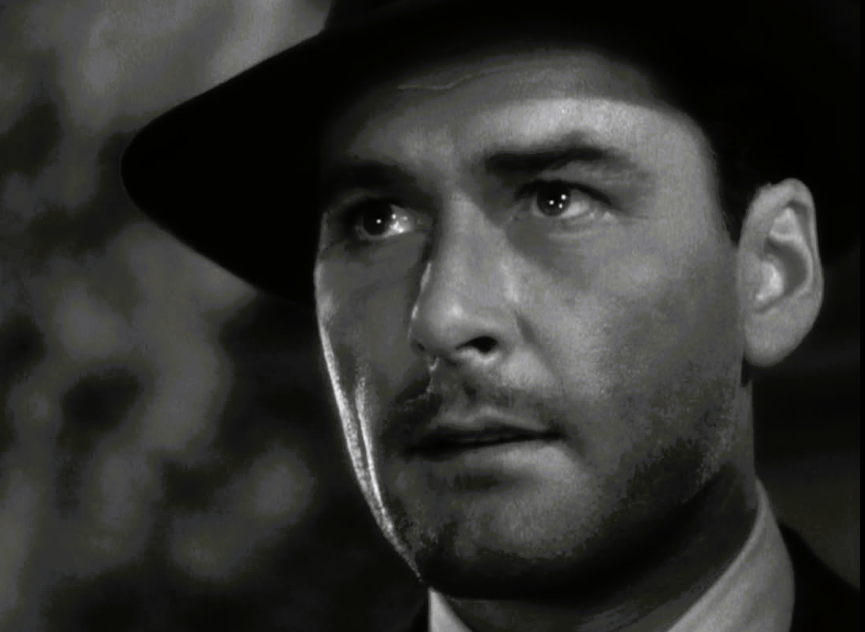
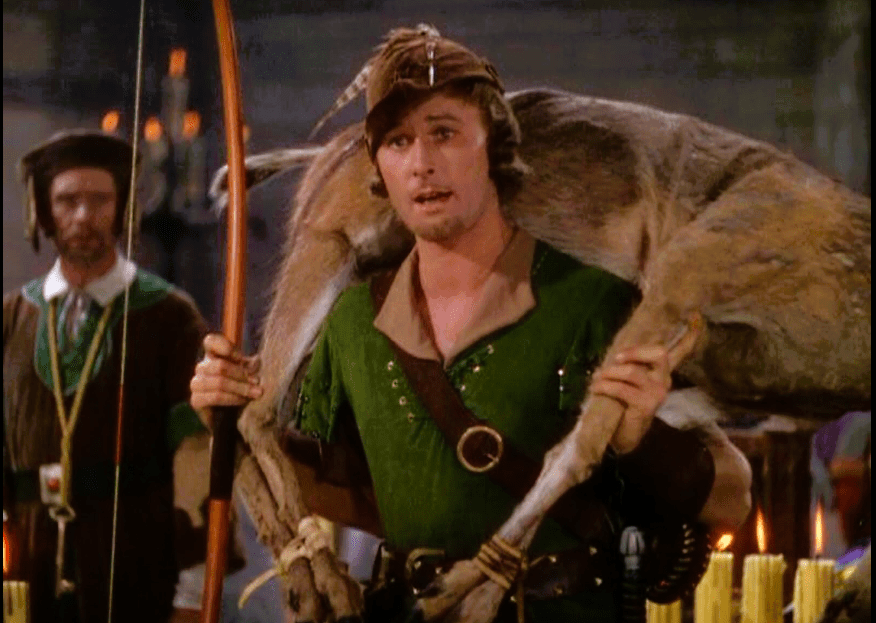
Errol Flynn, an iconic figure of Golden Age Hollywood, is remembered for his dashing roles in adventure films like Captain Blood and The Adventures of Robin Hood. However, his off-screen life became just as famous for scandal, particularly the statutory rape allegations leveled against him in 1942. These charges brought Flynn to trial in a highly publicized case, which captivated the nation and challenged public perceptions of both Flynn and the Hollywood system that created him. The trial ended in acquittal, but the case had a lasting impact on Flynn’s career and his legacy as a Hollywood legend.
The Allegations and Their Context
In late 1942, Errol Flynn, then 33 years old, was charged with statutory rape following allegations by two teenage girls: Betty Hansen, a 17-year-old aspiring actress, and Peggy Satterlee, a 15-year-old dancer. The accusations were both similar and shocking: the girls claimed Flynn had seduced them during separate incidents despite being under the age of consent, which was 18 under California law. Hansen’s alleged assault took place on Flynn’s yacht, the Sirocco, during a party. At the same time, Satterlee claimed she was seduced on a trip to Catalina Island. Flynn was arrested and charged with statutory rape, a serious felony.
At the time, Flynn was at the height of his career and his playboy reputation was well-established. Known for his adventurous lifestyle and flirtatious persona, Flynn’s public image was deeply tied to his swashbuckling on-screen roles, making him an object of both admiration and suspicion. This background only heightened public interest in the case. In an era where Hollywood’s private lives were often veiled from the public, Flynn’s trial brought the lurid details of the film industry’s behind-the-scenes culture into full view.
The Trial: A Clash of Reputations

A group was organized to support Flynn, named the American Boys’ Club for the Defense of Errol Flynn (ABCDEF); its members included William F. Buckley Jr. The trial took place in January and February 1943
The trial commenced in January 1943, capturing media attention across the country. Flynn pleaded not guilty, firmly denying any wrongdoing. The case quickly became about more than just the alleged crimes—it was about the credibility of Flynn and his accusers and the broader tension between Hollywood’s glamour and its darker realities. The prosecution painted a picture of Flynn as a predatory figure who exploited his fame to take advantage of young women. His defense team, on the other hand, attacked the reputations of the accusers, portraying them as unreliable and casting doubt on their motives.
“I’m bewildered. I can’t understand it. I hardly touched the girl,” said Flynn of Hansen as he was released on $1,000 bail.
One of the critical strategies of Flynn’s defense was to highlight inconsistencies in the girls’ testimonies and to question their past behavior. Satterlee, for example, was portrayed as sexually experienced despite her young age, a tactic aimed at discrediting her. The defense emphasized that both accusers had dubious reputations, using their backgrounds to suggest they were attempting to exploit Flynn for fame or financial gain. This line of argument played into the cultural biases of the time, where young women—particularly those with ambitions in Hollywood—were often seen as either morally suspect or manipulators of their own downfall.
The press covered the trial extensively, turning it into a media spectacle. Flynn’s dashing good looks and charm were often highlighted, with some suggesting that his reputation as a ladies’ man might actually help his defense. The phrase “In like Flynn,” which was already in use at the time but gained new meaning during the trial, became associated with Flynn’s perceived ability to escape the consequences of his actions. The phrase implied both his sexual success and his knack for evading trouble, becoming a cultural shorthand for his trial and broader persona.
Acquittal and the Public’s Reaction
After a weeks-long trial, Flynn was acquitted of all charges in February 1943. The jury found insufficient evidence to convict Flynn, largely because his defense team discredited the testimonies of the accusers. Flynn walked away from the courthouse a free man, and his acquittal was met with jubilation from many of his fans, who continued to see him as a charming rogue rather than a criminal.
The verdict underscored Hollywood’s ability to rehabilitate the image of its stars, even in the face of serious allegations. Flynn’s career did not suffer in the immediate aftermath of the trial; in fact, he continued to star in major films throughout the 1940s. Public fascination with his off-screen behavior persisted, and the acquittal only seemed to fuel his image as a carefree playboy. Flynn’s ability to rebound from such a high-profile trial without major damage to his career demonstrated how deeply intertwined his public persona was with Hollywood’s ability to mythologize its stars, even in the face of scandal.
The Impact on Flynn’s Career and Legacy
In the short term, the trial did little to hinder Flynn’s success in Hollywood. He remained a bankable star, and his films continued to perform well. However, the trial contributed to a growing reputation that began to cast a shadow over his later years. While he was acquitted in court, the allegations reinforced the perception of Flynn as someone whose private life was reckless and morally questionable. As the years went on, Flynn’s personal problems, including battles with alcoholism, financial troubles, and declining health, began to take their toll on his career. By the 1950s, his star had faded, and he struggled to regain the same level of success he had enjoyed earlier.
The trial and the surrounding media frenzy became an inseparable part of Flynn’s legacy. While his film roles as the charming, brave hero are still celebrated, the statutory rape allegations and his subsequent trial have become a key part of the narrative surrounding his life. In modern times, these allegations are often revisited in discussions about Hollywood’s long history of sexual misconduct and the ways in which stars were shielded from consequences due to their fame and the studios’ influence.
Legacy and Contemporary Reflections
Flynn’s acquittal and the public’s response to the trial reflect the complex intersection of fame, justice, and celebrity culture in Hollywood’s Golden Age. The case is often cited as an early example of how celebrity scandal was handled in the public eye, with Flynn’s fame and charm mainly insulating him from lasting repercussions. His trial also serves as a precursor to the many Hollywood scandals that have followed, illustrating the ways in which the public often separates an artist’s work from their personal actions.
In more recent years, Flynn’s trial has been viewed through a more critical lens. Discussions about sexual misconduct in Hollywood and the #MeToo movement have prompted reevaluations of past cases, including Flynn’s. While he was acquitted, some modern perspectives suggest that the tactics used to discredit his accusers reflect the broader cultural dynamics that often worked to protect powerful men in Hollywood from accountability.
The statutory rape allegations against Errol Flynn in 1942 became one of the most significant Hollywood scandals of the time, blending the lines between his on-screen persona and his real-life behavior. While Flynn’s acquittal allowed him to continue his career relatively unscathed in the short term, the trial has remained a defining chapter in his legacy. Today, the case serves as a reminder of the complex power dynamics in Hollywood and the ways in which celebrity, charm, and media attention can influence the outcomes of legal battles. Flynn’s story, though emblematic of his era, continues to resonate in contemporary conversations about fame and justice in the entertainment industry.
Sources
https://www.hollywoodreporter.com/news/general-news/throwback-thursday-errol-flynn-stood-699299/
https://variety.com/2024/biz/podcasts/variety-confidential-errol-flynn-1235882116/
 History of Sorts
Leave a comment