No one can deny that the Nazis committed unspeakable atrocities against civilians during World War II. However, they were not the only ones responsible for such horrors
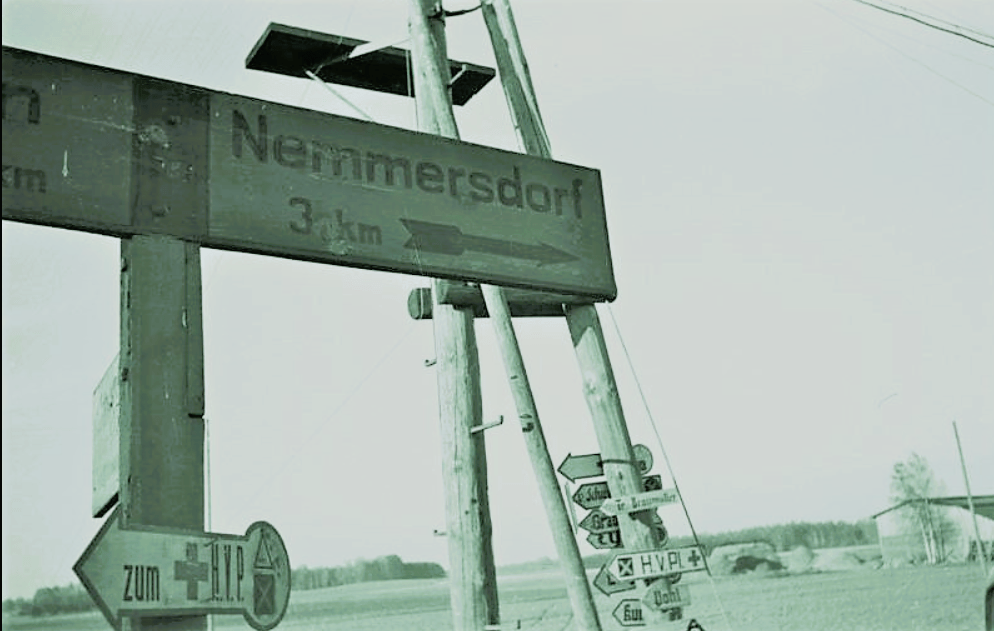
The Nemmersdorf Massacre, which occurred on October 21, 1944, is one of the most controversial and horrific episodes of World War II. It took place in the East Prussian village of Nemmersdorf (present-day Mayakovskoye, Kaliningrad Oblast, Russia) during the final months of the war, as Soviet forces advanced into German territory. The event involved the mass killing of German civilians and refugees by the Soviet Red Army and has since become a symbol of Soviet brutality in German memory. The massacre, its historical significance, and its propaganda usage remain subjects of debate among historians.
The Context: The Red Army’s Offensive in East Prussia
By the fall of 1944, the tide of World War II had turned decisively against Nazi Germany. The Soviet Union, having borne the brunt of the German invasion under Operation Barbarossa in 1941, was now on the offensive. The Red Army had already liberated much of Soviet territory and was pushing westward into German-held areas.
East Prussia, an area that had been a stronghold of German nationalism and militarism, was now in the path of the Soviet advance. This region was not just militarily significant but also symbolically crucial to Germans, as it was part of their historic heartland. By October 1944, Soviet forces under Marshal Ivan Chernyakhovsky’s 3rd Belorussian Front had reached the borders of East Prussia. On October 16, they launched an offensive that penetrated deep into German territory. On October 21, the village of Nemmersdorf became one of the first German settlements to fall under Soviet control.
The Massacre: What Happened in Nemmersdorf?
What transpired in Nemmersdorf on October 21 remains a source of historical controversy, primarily due to conflicting accounts and the propaganda that surrounded the event. What is certain is that Soviet troops entered the village after breaching German defenses along the Angerapp River. Nemmersdorf had been a small, peaceful village inhabited by German civilians. Still, as the Eastern Front approached, it became a temporary refuge for civilians fleeing the advancing Soviet forces.
According to German accounts, when German forces briefly recaptured Nemmersdorf on October 23, they discovered a scene of unimaginable horror. Reports described civilians, including women, children, and elderly residents, as being brutally massacred. Survivors and witnesses, as well as German soldiers, reported that women had been raped and murdered and that bodies were mutilated in grotesque ways. Some victims were reportedly nailed to barn doors or left displayed in ways meant to inspire fear. Refugees fleeing from other regions also fell victim to the violence, as many were found dead near the village.
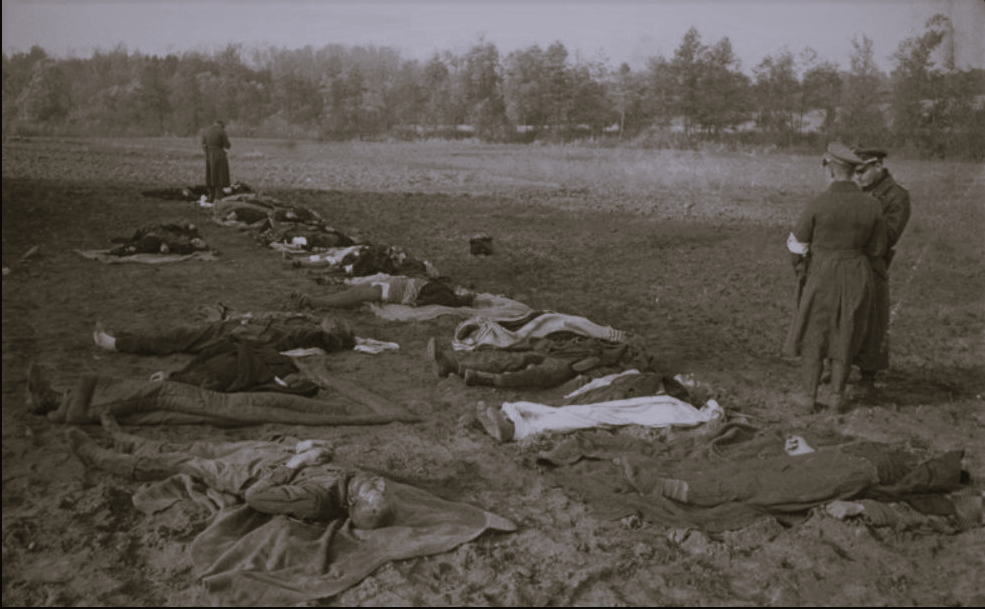
The number of victims varies significantly across sources, ranging from dozens to several hundred. German sources at the time claimed that over 70 civilians had been murdered. At the same time, the Soviet accounts dismissed these claims as Nazi propaganda aimed at rallying German resistance to the advancing Red Army. Nevertheless, many historians believe that the massacre did occur, though the extent of the violence and the number of victims remains a matter of dispute.
The Propaganda War: Nemmersdorf in Nazi and Soviet Narratives
The Nemmersdorf Massacre quickly became a powerful propaganda tool for Nazi Germany. It was used to galvanize German resistance and justify the total war effort against the Soviet Union. The Nazi regime seized on the event to portray the Soviet forces as barbaric and inhumane, stoking fear among the German population about the consequences of Soviet occupation. Graphic images of mutilated bodies were distributed widely by the German press, and the massacre was cited in speeches by Nazi officials, including Joseph Goebbels, to reinforce the narrative of Soviet atrocities.
This portrayal had a profound impact on German civilians and soldiers alike. Fear of Soviet retribution and the reports of atrocities committed in Nemmersdorf led to widespread panic. It contributed to the massive exodus of German civilians from East Prussia and other eastern territories in the final months of the war. The massacre reinforced the belief that there could be no surrender to the Soviet forces, as it was believed that capture would result in torture, death, or worse.
On the Soviet side, officials either denied the massacre or dismissed the German accounts as exaggerated or fabricated. The Soviet Union was fighting an existential war against Nazi Germany, and the Red Army had already experienced some of the most brutal atrocities committed by the Germans on Soviet soil, including mass executions, starvation, and genocide. As a result, there was little sympathy or remorse among the Soviet leadership for the events in Nemmersdorf, especially given the broader context of revenge for the crimes committed during the German invasion of the Soviet Union.
Historical Debate: Reality or Propaganda?
The exact nature of the Nemmersdorf Massacre has been the subject of extensive historical debate, especially in the post-war period. Some historians argue that the Nazi regime exaggerated the massacre for propaganda purposes to stiffen German resolve as the Red Army advanced. Others believe that while Nazi propaganda may have amplified the atrocity, there is sufficient evidence to suggest that a massacre did indeed occur and that Soviet soldiers, emboldened by their victories and filled with rage over the destruction wrought by the Germans, committed acts of extreme violence against civilians.
Post-war historians have been cautious in relying on the Nazi accounts of the massacre, given the propaganda interests involved. Soviet sources, on the other hand, have been criticized for failing to acknowledge or investigate war crimes committed by their forces. In the aftermath of the war, Nemmersdorf was largely overshadowed by the immense scale of atrocities committed by Nazi Germany, and Soviet war crimes in Eastern Europe, though not forgotten, were often politically sensitive topics during the Cold War era.
German historian Joachim Hoffmann, in his research on the Eastern Front, has argued that the massacre was a real and brutal episode, pointing to survivor testimonies and photographic evidence as credible sources. However, other historians, like Bernhard Fisch, have suggested that the massacre may have been exaggerated by Nazi officials and that the number of victims might have been lower than initially reported.
The Nemmersdorf Massacre remains a controversial and painful chapter in the history of World War II. For many Germans, it has become emblematic of the horrors faced by civilians in the east during the Soviet advance. The memory of the massacre played a significant role in shaping post-war perceptions of the Soviet Union in Germany, particularly in the context of Cold War tensions.
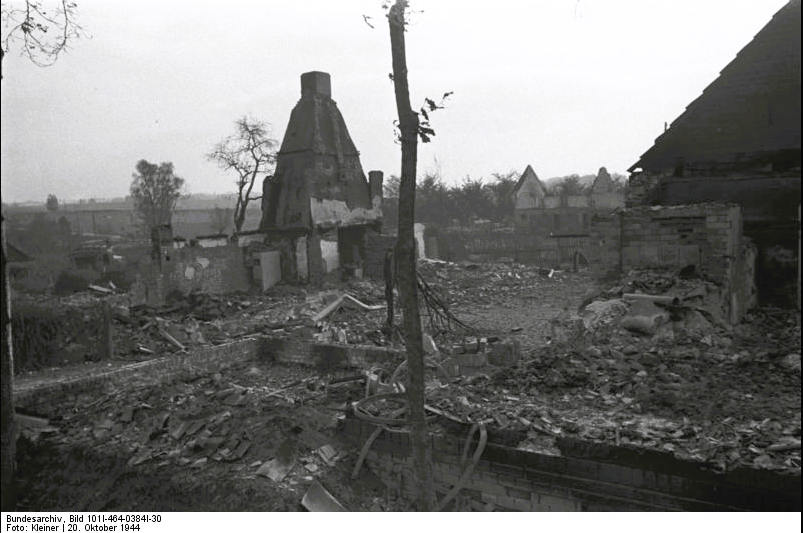
In the years following the war, Nemmersdorf, like much of East Prussia, was ceded to the Soviet Union, and the German population was either expelled or fled. The village was renamed Mayakovskoye, and its German past was largely erased. However, in German historical memory, Nemmersdorf has persisted as a symbol of Soviet war crimes and the suffering endured by civilians in the final months of the war.
In recent years, there has been a renewed interest in exploring the events of Nemmersdorf within the broader context of wartime atrocities committed by both the Nazis and the Soviets. This includes a more nuanced understanding of the complex motivations behind such events, including the desire for revenge, the breakdown of military discipline, and the dehumanizing effects of prolonged war. The massacre also serves as a reminder of the dangers of war propaganda and the ways in which atrocities can be used to manipulate public opinion and justify further violence.
The Nemmersdorf Massacre stands as a grim reminder of the horrors of war and the devastating impact it has on civilians. While the exact details of the event remain disputed, there is little doubt that a massacre occurred, leaving an indelible mark on the collective memory of both Germans and Soviets. As historians continue to debate the specifics of the massacre, the broader lesson remains clear: war often brings out the worst in humanity, and its victims are usually the innocent caught in the crossfire of more significant political and military conflicts.
Sources
https://en.wikipedia.org/wiki/Nemmersdorf_massacre
https://dbpedia.org/page/Nemmersdorf_massacre
https://military-history.fandom.com/wiki/Nemmersdorf_massacre
https://alfreddezayas.com/Chapbooks/Flucht_de.shtml
https://europebetweeneastandwest.wordpress.com/tag/nemmersdorf-massacre/
Donation
Your readership is what makes my site a success, and I am truly passionate about providing you with valuable content. I have been doing this at no cost and will continue to do so. Your voluntary donation of $2 or more, if you are able, would be a significant contribution to the continuation of my work. However, I fully understand if you’re not in a position to do so. Your support, in any form, is greatly appreciated. Thank you. To donate, click on the credit/debit card icon of the card you will use. If you want to donate more than $2, just add a higher number in the box left from the PayPal link. Your generosity is greatly appreciated. Many thanks.
$2.00
 History of Sorts
Leave a comment