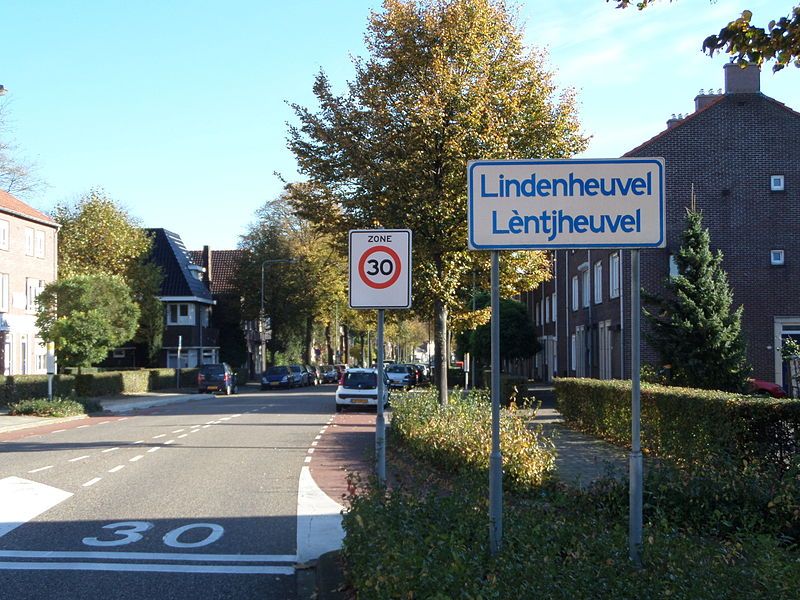
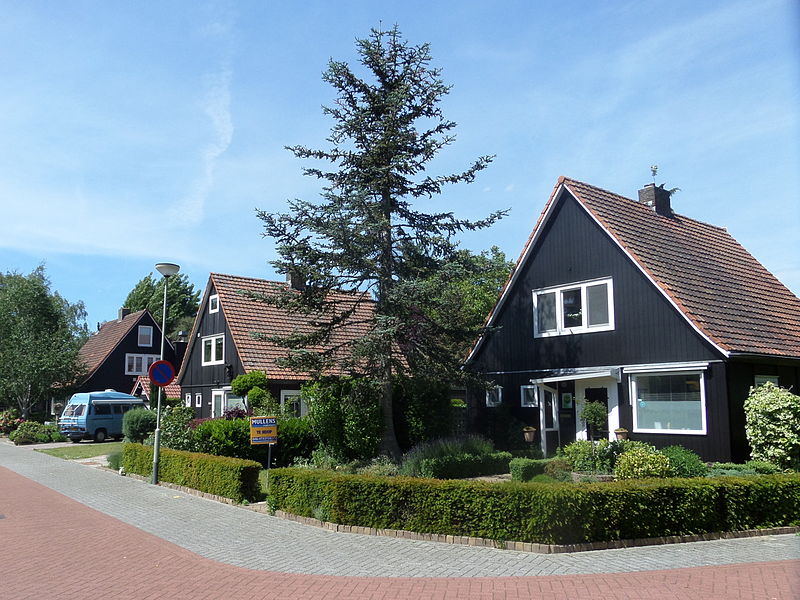
Lindenheuvel, once the open ‘Lutteraderheide’ west of Lutterade, saw its first homes built around 1918–1919 after the 1915 opening of Staatsmijn Maurits, which created a high demand for worker housing.
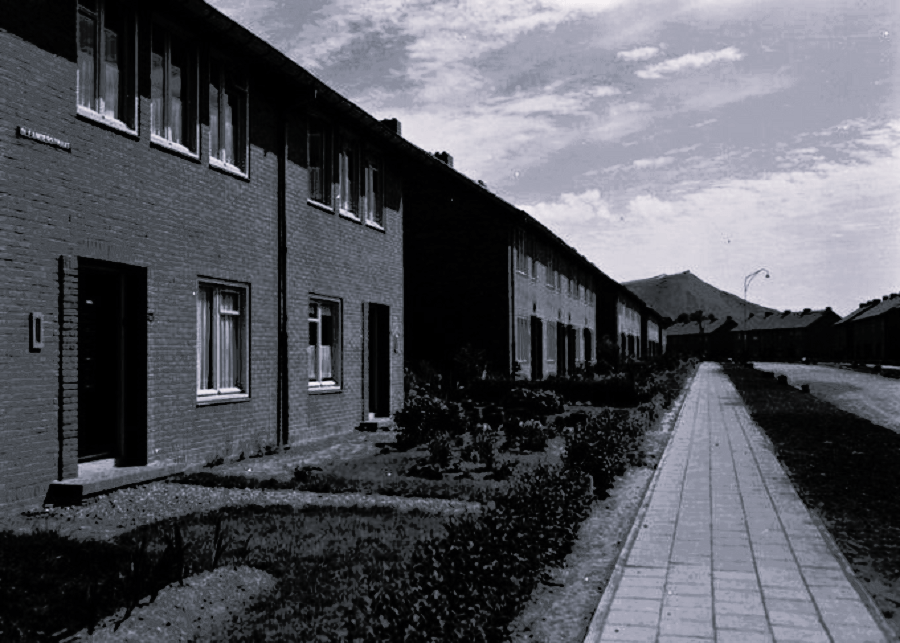
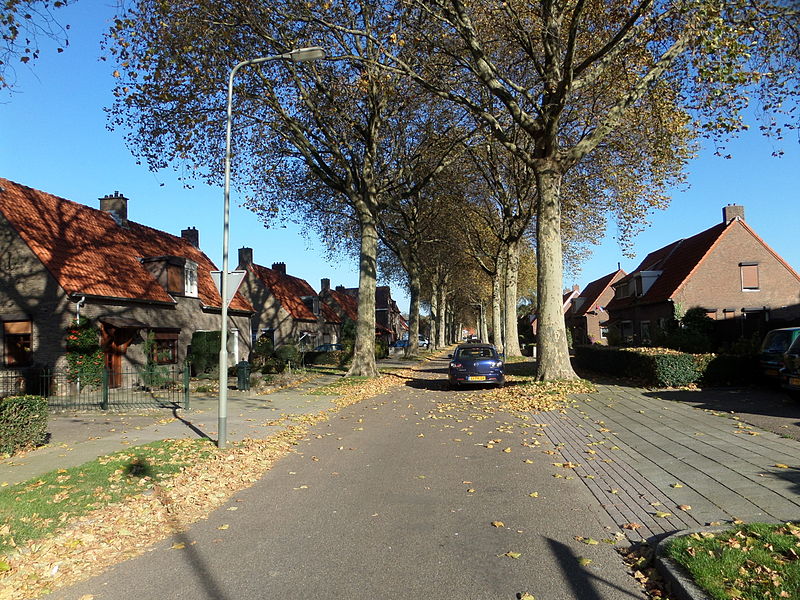
In 1918–1919, the ‘Woningvereniging Geleen’ built 40 workers’ homes on Kampstraat, designed by architect Jan Stuyt (1868–1934). The neighborhood was first called ‘Kolonie Maurits’, soon renamed ‘Kolonie Swentibold’, and popularly known as ‘De oude Kolonie’ (“De Auw Kolonie”).
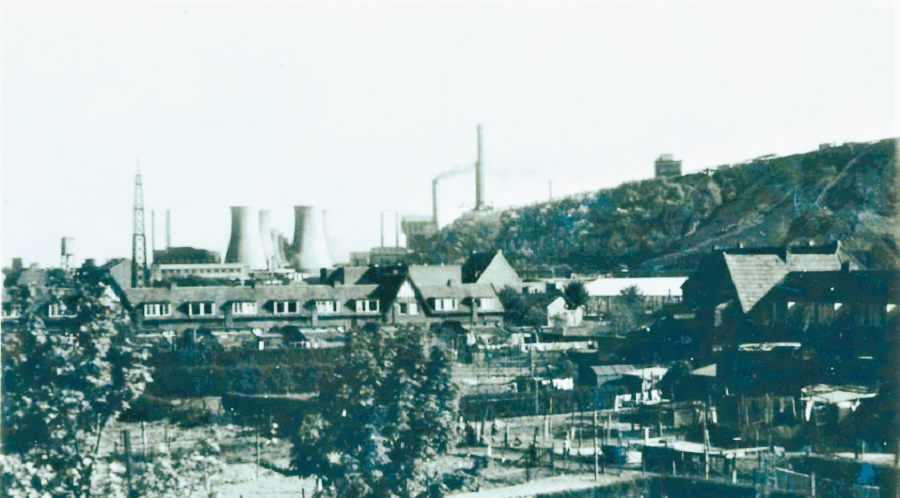
Lindenheuvel is a neighbourhood shaped by industrial expansion, community building and subsequent transitions. Its story reflects broader patterns in Dutch and European urban landscapes: rapid growth around industry, strong local identity, followed by adaptation to changing economic and social conditions. For anyone interested in how a place evolves over a century
This is my ode to the place I love so well, and some images of days gone by.
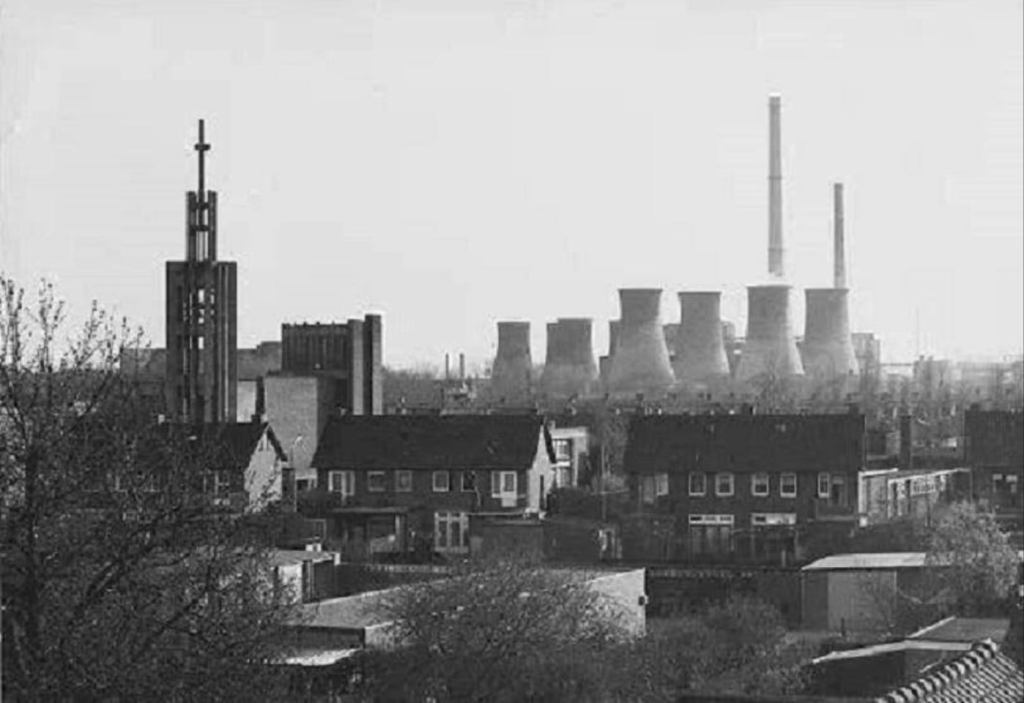
A Place Where I Was Born
In Lindenheuvel, where the streets still hum,
with whispers of coal and the songs of the drum,
the wind moves softly through rows of brick,
and time walks slow, its footsteps thick.
The linden trees lean close to hear,
the laughter of children from yesteryear,
echoes from mines that sleep below,
dreams of men who lit the glow.
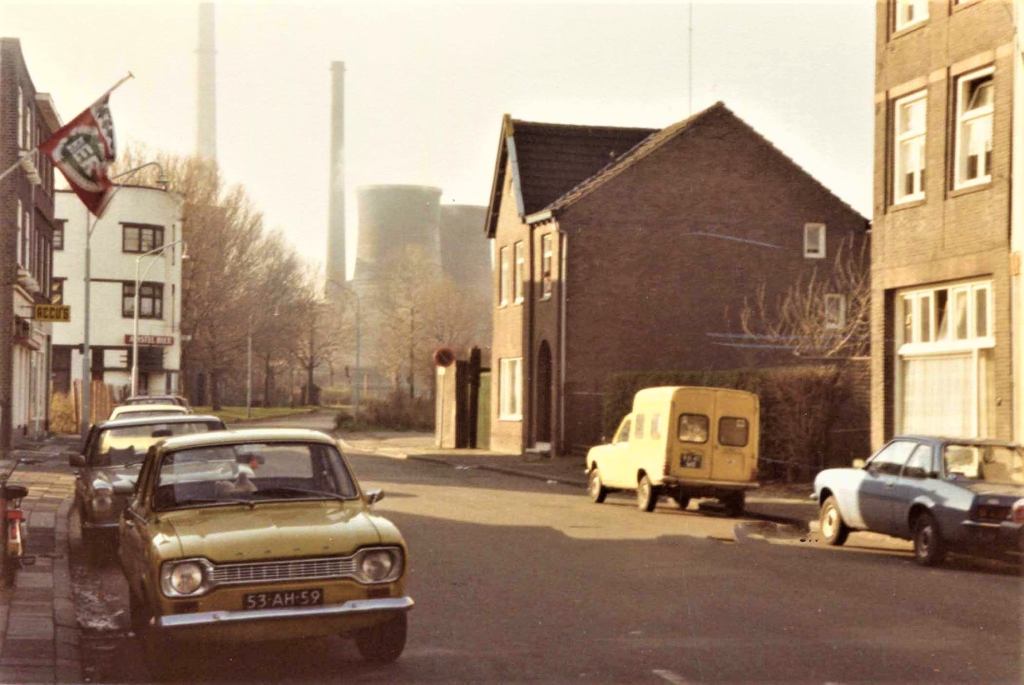
The Bloemenmarkt, with flowers and stone,
guards names the years have gently known,
while chimney ghosts in morning haze
recall the shift-bell’s working days.
Here, gardens bloom where soot once fell,
and life rewrote what toil would tell.
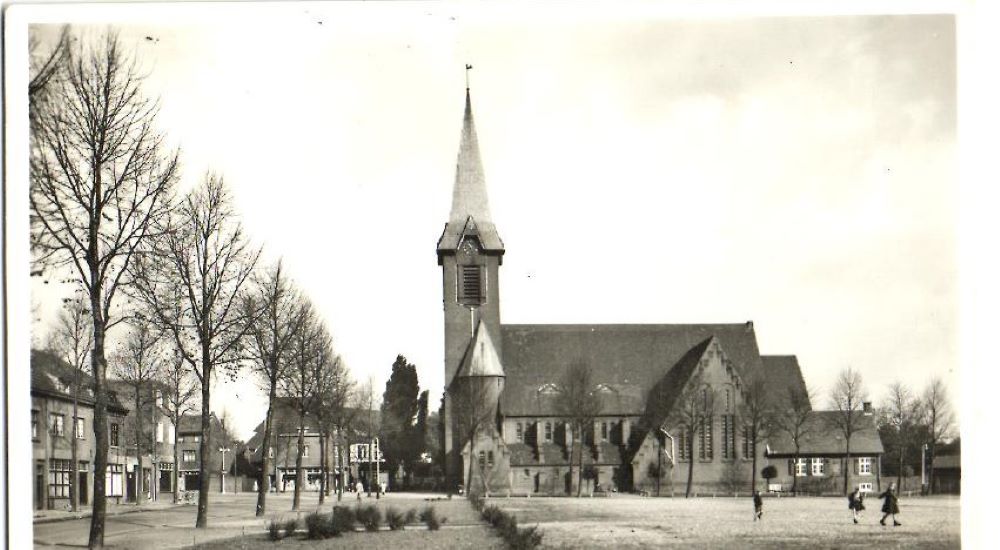
Between the chapel and the schoolyard wall,
the past still breathes — and loves us all.
So when I wander far and long,
this place still hums its steady song:
of simple hearts, of roots well-sown —
Lindenheuvel, my birth, my own.
 History of Sorts
Leave a comment