
Charles Dickens’s A Christmas Carol, first published on 19 December 1843, is one of the most enduring works of English literature and a defining text of the Victorian era. Although it is often regarded as a simple holiday story, the novella is a sophisticated moral narrative that addresses social inequality, personal responsibility, and the possibility of redemption. Through the transformation of its central character, Ebenezer Scrooge, Dickens critiques the social conditions of industrial England while promoting compassion and human solidarity.
At the center of the novella is Ebenezer Scrooge, a wealthy but miserly businessman who represents extreme selfishness and moral neglect. Scrooge’s fixation on profit causes him to reject generosity, empathy, and meaningful human relationships. His harsh treatment of his clerk, Bob Cratchit, and his refusal to support charitable causes highlight Dickens’s criticism of an economic system that values wealth over human welfare. Scrooge functions not only as an individual character but also as a symbol of a society that has grown indifferent to poverty and suffering.
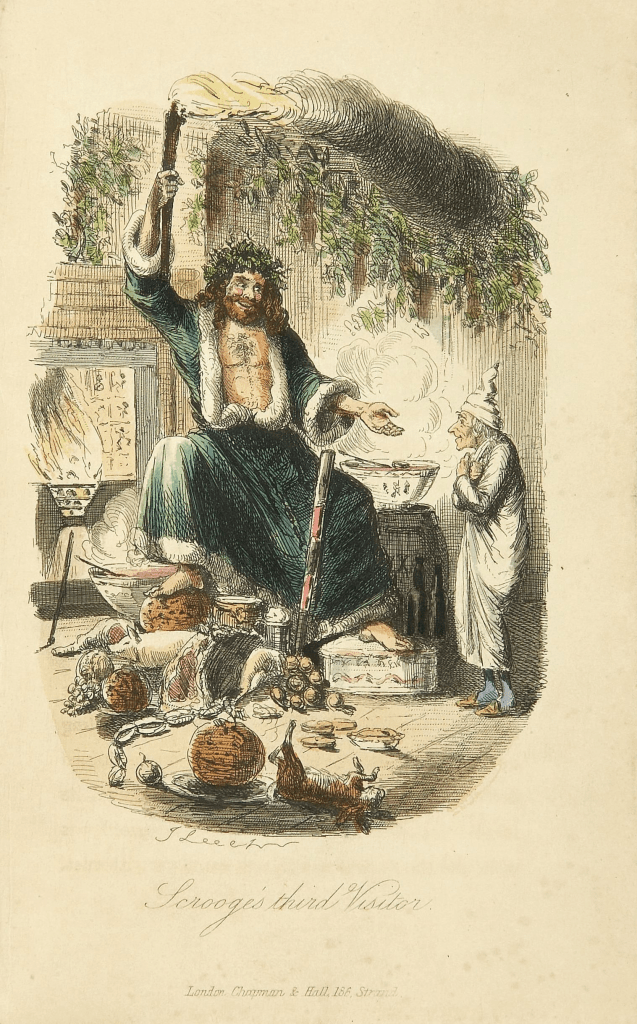
The structure of A Christmas Carol relies on the visits of three supernatural figures: the Ghosts of Christmas Past, Present, and Yet to Come. Each ghost serves a distinct moral purpose. The Ghost of Christmas Past reveals the emotional origins of Scrooge’s bitterness, including his lonely childhood and lost opportunities for love. These memories evoke sympathy and suggest that emotional neglect can shape moral failure. The Ghost of Christmas Present exposes Scrooge to the lives of others, particularly the Cratchit family, whose warmth and resilience contrast sharply with his isolation. Through the character of Tiny Tim, Dickens draws attention to the consequences of social injustice and neglect of the poor. The Ghost of Christmas Yet to Come delivers the most severe lesson by showing Scrooge a future defined by loneliness, an unmourned death, and the lasting impact of a life without compassion.
One of the novella’s most significant themes is redemption. Unlike many literary figures who are destroyed by their flaws, Scrooge is given the opportunity to change. Dickens emphasizes that moral reform is always possible, regardless of age or past behavior. Scrooge’s transformation on Christmas morning symbolizes a rebirth of conscience. His generosity toward the Cratchits and renewed engagement with society demonstrate that true fulfillment comes from kindness and shared humanity rather than material wealth.
Beyond its narrative impact, A Christmas Carol significantly influenced modern perceptions of Christmas. Dickens helped shape the holiday as a time of generosity, family, and moral reflection. The values emphasized in the novella—charity, goodwill, and social responsibility—continue to inform cultural traditions and expectations surrounding Christmas celebrations.
In conclusion, A Christmas Carol, published in 1843, is far more than a festive ghost story. It is a powerful social critique and moral appeal that urges readers to recognize their responsibility toward others. Through vivid imagery, symbolic storytelling, and emotional depth, Charles Dickens delivers a timeless message: compassion and change are not only possible, but necessary for a just and humane society.
sources
https://en.wikipedia.org/wiki/A_Christmas_Carol
 History of Sorts
Leave a comment