When discussing stories from World War II, the role of Italy is often overlooked, despite the fact that it participated in numerous battles and suffered many defeats. I believe that if Nazi Germany had not aligned itself with Italy, the outcome of the war might have been significantly different.
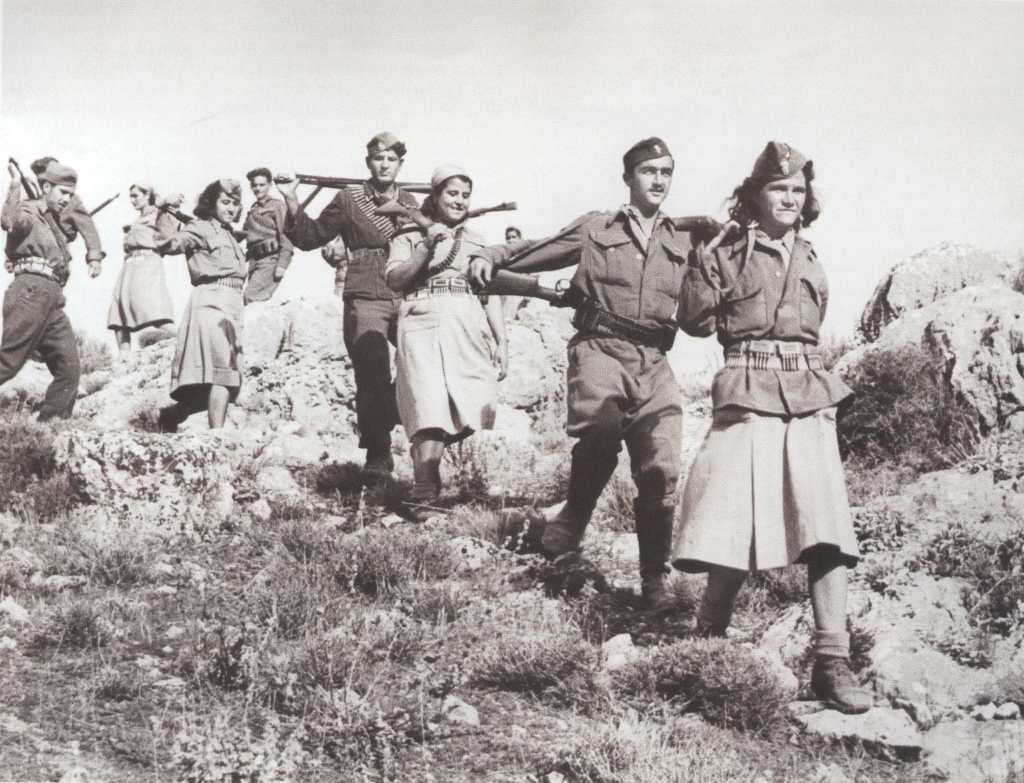
The Battle of Fardykambos (March 4–6, 1943) stands as a watershed moment in the history of the Greek Resistance during World War II. It wasn’t just a skirmish; it was the first time a major Italian formation was forced to surrender to Greek guerrillas (Andartes) in open combat, signaling a shift in the power dynamics of occupied Greece.
Historical Context: The Growing Resistance
By early 1943, the occupation of Greece was beginning to fracture. While the cities suffered from famine, the rugged mountainous interior—particularly Western Macedonia—became a stronghold for resistance groups.
Two main groups operated in the area:
ELAS (Greek People’s Liberation Army): The military wing of the communist-led EAM.
Independent local groups: Often led by former Hellenic Army officers, such as the detachment under Dimitrios Kaslas.
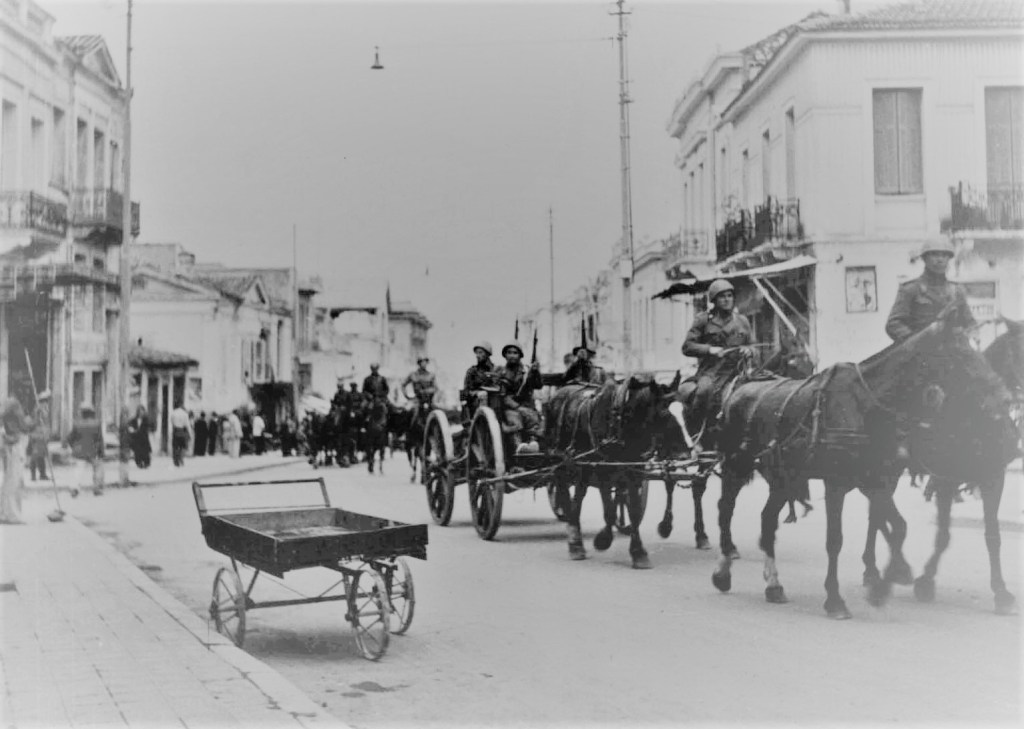
The Italians, tasked with maintaining order in these rural “free zones,” frequently sent columns out from urban centers to forage for supplies and intimidate the populace.
The Prelude: A Search for Grain
The spark for the battle was deceptively mundane. An Italian company of roughly 180 men set out from Grevena toward the town of Siatista to secure grain supplies. On March 4, near the bridge of Fardykambos (located over the Aliakmon River), they were ambushed by a small group of local resistance fighters.
The Italians were caught off guard and retreated to a nearby height, but they managed to send word back to their command. This prompted a massive escalation: the Italian command dispatched a reinforced battalion—nearly 600 men—to rescue the trapped company and crush the rebellion.
The Main Engagement (March 5–6)
The battle evolved from a small ambush into a multi-day siege involving thousands of participants.
- The Greek Mobilization
What makes Fardykambos unique was the spontaneous mass mobilization. As the church bells rang in the surrounding villages of Siatista, Tsotyli, and Grevena, it wasn’t just the organized ELAS fighters who responded. Hundreds of local peasants, armed with old hunting rifles or whatever weapons they had hidden since the 1940-41 war, rushed to the hills surrounding the Italian battalion. - The Siege
The Italian relief column, led by Major Pasquini, found itself surrounded in the valley. The Greek forces, now numbering nearly 2,000 (though many were untrained civilians), held the high ground. The Italians were pinned down near the river, unable to maneuver their superior weaponry—including heavy mortars and machine guns—against an enemy that seemed to be everywhere. - The Collapse
By the morning of March 6, the Italian position was untenable. They were low on ammunition, water, and morale. Seeing the sheer number of Greeks descending from the mountains, and after a series of failed sorties, Major Pasquini realized that total annihilation was the only alternative to surrender.
The Aftermath and Significance
The surrender was a stunning victory for the Resistance. The tally of the battle’s conclusion was significant:
Prisoners: Nearly 600 Italian soldiers, including 17 officers.
Spoils: A massive haul of modern weaponry, including 3 mortars, 10 heavy machine guns, and hundreds of rifles, which immediately equipped the growing ELAS divisions.
Casualties: The Greeks suffered minimal losses (estimated at 3-10 dead), while Italian losses were roughly 30 dead and dozens wounded.
Why It Mattered
The Battle of Fardykambos shattered the myth of Italian control over the Greek countryside. It boosted the prestige of the National Resistance and proved that the Andartes could defeat regular Axis troops in a conventional, sustained engagement.
Perhaps most importantly, it forced the Axis powers to realize that the Greek mountains were no longer just occupied territory—they were a second front.
Would you like me to dive deeper into the specific military tactics used by ELAS during this engagement, or perhaps explore the political repercussions this victory had on the Greek government-in-exile?
sources
https://www.loquis.com/en/loquis/2176584/Battle+of+Fardykambos
https://jamesfell.substack.com/p/on-this-day-in-history-march-4-12c

 History of Sorts
Leave a comment