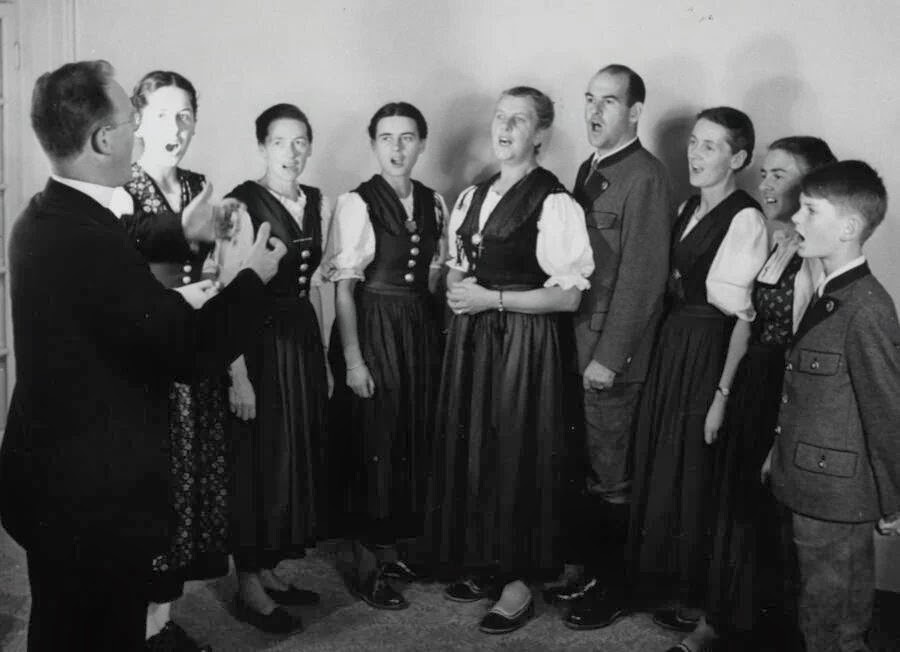
The 1965 film The Sound of Music immortalized the story of the von Trapp family as they fled Nazi-occupied Austria. With its sweeping landscapes, memorable songs, and emotional core, it remains one of the most beloved films of all time. But while the movie is inspired by real events, the true story behind the von Trapp family is more nuanced—and, in some ways, even more compelling.
At its heart, the film tells the story of Maria, a free-spirited governess who brings music and joy into the home of a stern widower, Captain Georg von Trapp, and his seven children. As the threat of Nazism looms, the family makes a daring escape across the Alps. In reality, however, much of this narrative was reshaped for dramatic effect.
A Different Kind of Maria
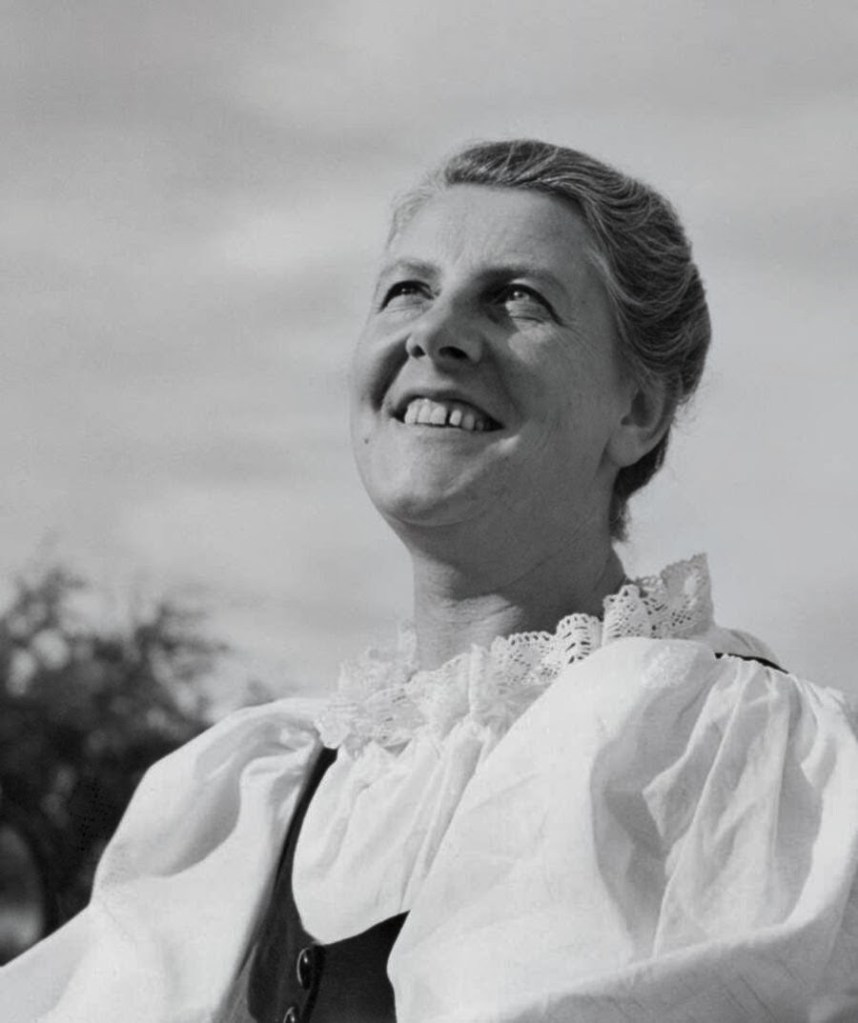
The real Maria, born Maria Augusta Kutschera in 1905, did not begin as the serene and endlessly patient figure portrayed on screen. Raised in a secular household, she discovered religion somewhat unexpectedly and later joined the Benedictine Abbey of Nonnberg in Salzburg with the intention of becoming a nun.
Far from being effortlessly composed, Maria later described herself as unruly and impulsive during her time at the abbey. She recalled her own behavior as disruptive—running through hallways, speaking out of turn, and frequently testing the patience of the nuns. Ultimately, it was this very energy that led the convent to send her to work as a tutor for one of Georg von Trapp’s daughters.
The Real Georg von Trapp
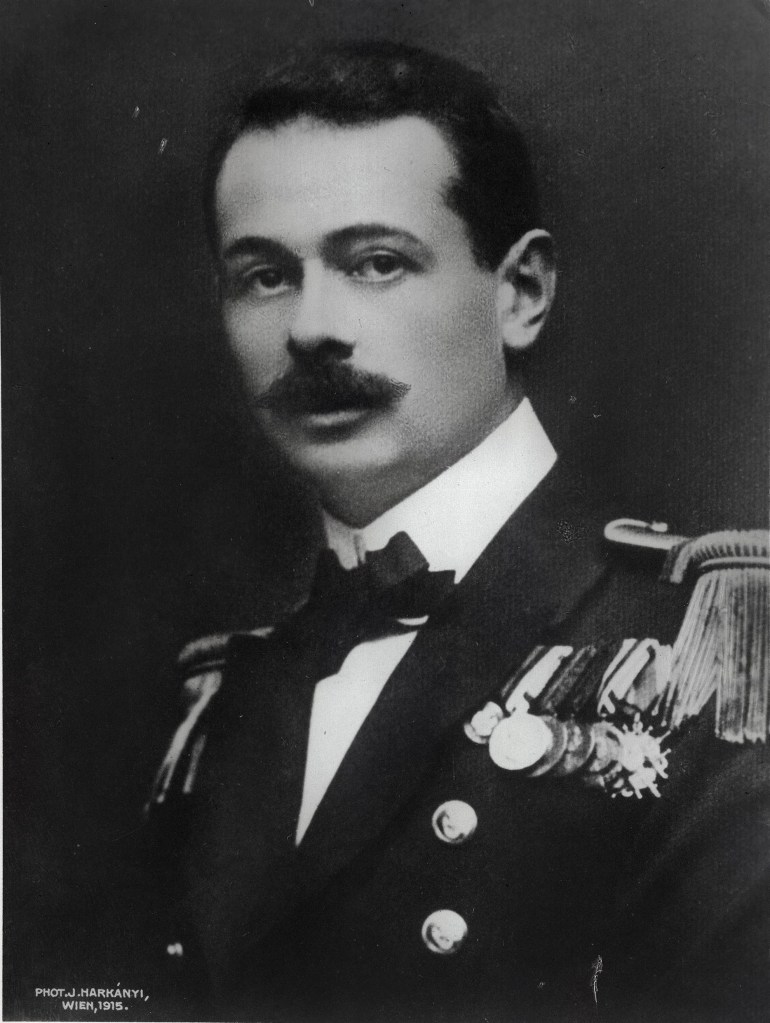
In the film, Captain von Trapp is portrayed as emotionally distant and rigid, running his household with military precision. The real Georg, however, was quite different. A decorated naval officer and widower, he was known to be warm, gentle, and deeply devoted to his children. Music was already a central part of family life long before Maria arrived.
Maria herself was also more complex than her cinematic counterpart. According to family recollections, she could be quick-tempered and intense, though her outbursts were often short-lived. Over time, she formed strong bonds with the children and gradually fell in love with Georg—though she later admitted that her initial motivation for marriage was her affection for his children rather than for him.
The couple married in 1927, more than a decade before the Nazi annexation of Austria, and went on to have three additional children together.
Music and the Shadow of Nazism
By the mid-1930s, the von Trapp family had become an accomplished musical group, performing throughout Europe and earning recognition for their talent. In 1936, they won first place at the Salzburg Music Festival, solidifying their reputation.
But their success unfolded against the backdrop of a rapidly changing political landscape. When Nazi Germany annexed Austria in 1938, the family found themselves in an increasingly dangerous position.
They openly resisted Nazi expectations. One of the daughters refused to perform the Nazi salute or sing the German national anthem at school. Georg declined an offer to serve in the German navy and refused invitations to perform for Adolf Hitler. These acts of defiance carried real risk.
Recognizing the growing threat, Georg made the decision to leave Austria. He reportedly told his family that while they might lose their material possessions, they would preserve their “faith and honor.”
The Reality of Their Escape
One of the film’s most iconic scenes depicts the family fleeing on foot over the Alps under cover of darkness. In reality, their departure was far less dramatic—and far more practical.
The von Trapps simply boarded a train, openly stating that they were traveling to the United States for a singing engagement. Contrary to the film’s geography, crossing the Alps from Salzburg would have led them deeper into Nazi-controlled territory, not to safety.
They left Austria just before the borders were sealed and eventually made their way to America.
Building a New Life in America
In the United States, the von Trapps continued performing as the Trapp Family Singers, gaining popularity with audiences across the country. They eventually settled in Stowe, Vermont, where they established a music camp and later the Trapp Family Lodge.
Georg von Trapp died in 1947. Two years later, Maria published her memoir, The Story of the Trapp Family Singers, which became the foundation for several adaptations—including German films in the 1950s and, ultimately, the Broadway musical and the 1965 film starring Julie Andrews.
Despite the enormous success of The Sound of Music, the family saw relatively little financial benefit from the film. They also expressed reservations about how their story was portrayed, particularly the depiction of Georg as a strict and distant father.
A Story Beyond the Screen
For the von Trapp family, the real story was never about cinematic drama or grand escapes. It was about resilience, faith, and the difficult choices required in times of crisis.
As Johannes von Trapp later reflected, the film simplifies a far more complex reality. Yet that reality—less polished but deeply human—offers a richer understanding of the family’s journey.
Maria herself believed the enduring power of their story lay in its message: to remain faithful to one’s principles, even in uncertain times, and to face life’s defining moments with courage and convict
sources
https://people.com/the-sound-of-music-true-story-what-happened-to-real-von-trapp-family-11917154
https://allthatsinteresting.com/von-trapp-family
https://en.wikipedia.org/wiki/Trapp_Family
https://www.archives.gov/publications/prologue/2005/winter/von-trapps-html


Leave a Reply