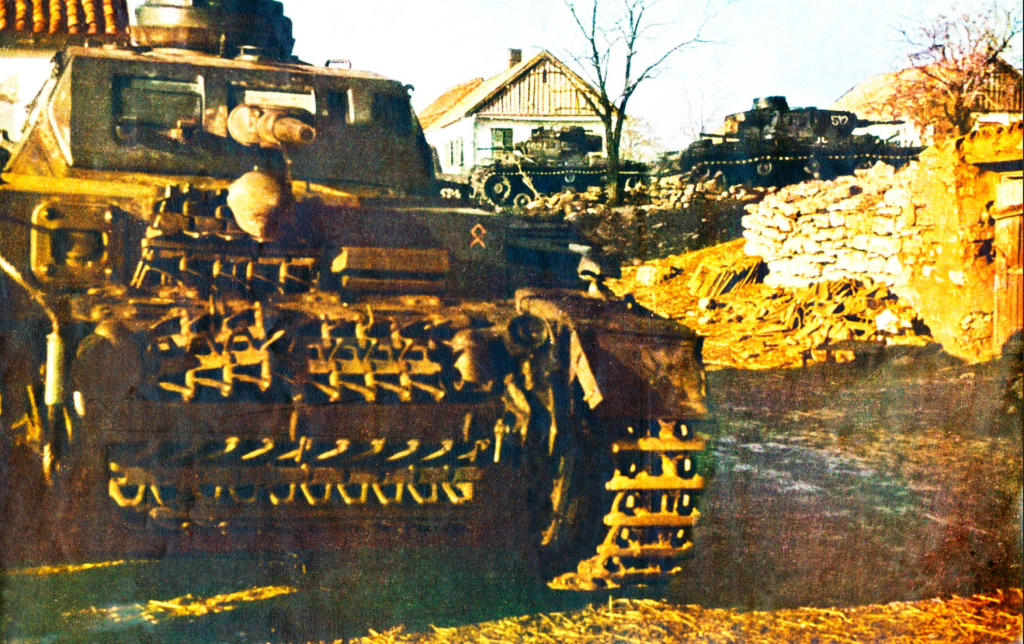
For those of you who don’t speak English as a first language, you may not be familiar with the term ‘Hubris’ the definition is : excessive pride or self-confidence.
On the dawn of June 22, 1941, the largest invasion force in human history surged across a 1,800-mile frontier. Over three million German and Axis soldiers, flanked by thousands of tanks and aircraft, shattered the uneasy peace of the Molotov-Ribbentrop Pact. This was Operation Barbarossa: Adolf Hitler’s ideological, economic, and military gamble to destroy the Soviet Union in a single, swift campaign.
It was a clash conceived in radical certainty. Hitler famously claimed, “We have only to kick in the door and the whole rotten structure will come crashing down.” Yet, looking back through the lens of modern military history, Barbarossa stands as one of history’s most profound lessons in the dangers of strategic hubris, logistical blindness, and underestimating an adversary’s capacity for resilience.
- The Genesis of an Inevitable Collision
To understand why Germany launched an invasion while still locked in an active war with Great Britain, one must understand that to the Nazi regime, war with the Soviet Union was not a peripheral campaign—it was the entire point.
The invasion was fueled by two core tenets of Nazi ideology:
Lebensraum (Living Space): The conquest of Eastern Europe to secure agricultural land and raw materials for the German populace.
Vernichtungskrieg (War of Annihilation): A racial and ideological crusade to eradicate what Hitler termed “Jewish Bolshevism” and subjugate or eliminate the Slavic populations.
There were also urgent economic calculations. By 1941, Germany was feeling the squeeze of the British naval blockade. The oil fields of the Caucasus, the wheat fields of Ukraine, and the vast mineral wealth of the Soviet interior were viewed as the ultimate prizes that would make the Third Reich economically self-sufficient and permanently unassailable.
- Mirage of the Early Months
Initially, Hitler’s optimism seemed entirely justified. Using Blitzkrieg (lightning war) tactics, German armored columns wrapped around entire Soviet armies with terrifying speed.
In the opening weeks, massive encirclement battles at Białystok, Minsk, and Smolensk resulted in the capture of hundreds of thousands of Red Army soldiers. The Soviet Air Force was largely caught on the ground and decimated within the first 48 hours.
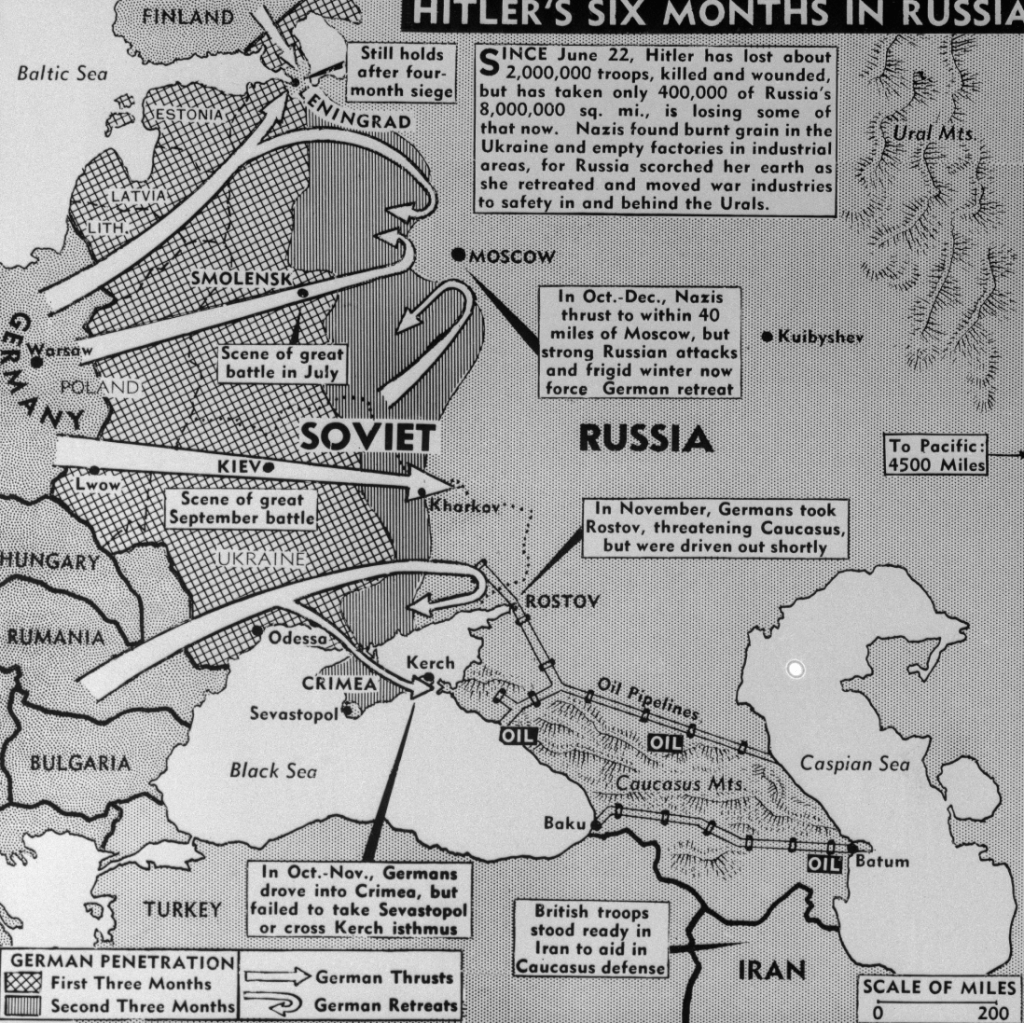
The German high command split their forces into three massive army groups, each tasked with a sweeping geographic objective:
Army Group North: Charged with driving through the Baltic states to capture Leningrad.
Army Group Centre: The primary thrust, tasked with moving along the Minsk-Smolensk axis to seize Moscow.
Army Group South: Ordered to sweep into Ukraine, capturing Kyiv and securing the agricultural heartland.
By August, German troops had pushed hundreds of miles into Soviet territory. To outside observers, including intelligence agencies in London and Washington, the fall of the Soviet Union appeared to be a matter of weeks.
- The Structural Flaws: Logistical Blindness
However, beneath the spectacular tactical victories laid a logistical nightmare. German planners had assumed the campaign would last no longer than 9 to 17 weeks. Because of this fatal assumption, they made almost no preparations for a prolonged conflict, let alone a winter campaign.
As the German army pushed deeper into the vast Eurasian landmass, several fatal realities began to compound:
The Infrastructure Gap: Soviet roads were largely unpaved. The summer heat turned them into blinding dust bowls, while the autumn rains transformed them into the Rasputitsa—a sea of thick, viscous mud that immobilized wheeled supply vehicles.
The Gauge Disconnect: Soviet railways used a wider track gauge than standard European rails. As the Germans advanced, they had to laboriously convert thousands of miles of track just to move supplies forward via train.
The Replacement Paradox: While the German army relied on horses for over 80% of its logistical transport, the Soviet Union was quietly leveraging an unparalleled depth of human and industrial reserves. Every time a German division destroyed a Soviet army group, two more seemed to rise in its place.
- The Turning Point at the Gates of Moscow
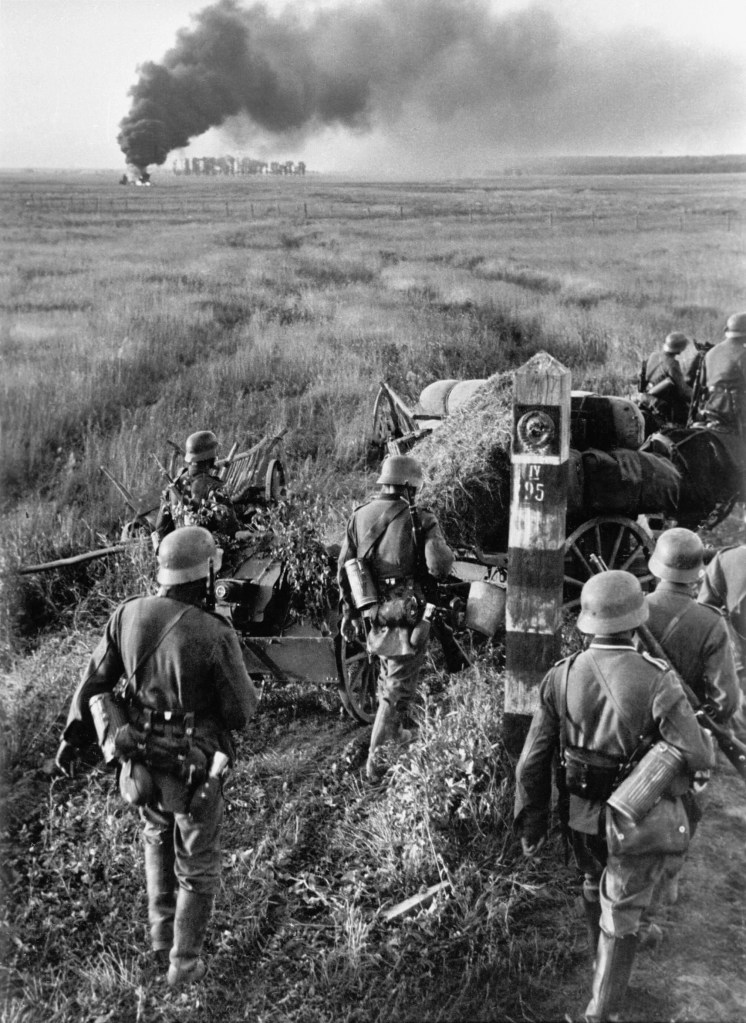
By the time the autumn mud froze into hard ground in November, allowing German armor to make one final push for Moscow under Operation Typhoon, the German army was exhausted. Soldiers were still wearing summer uniforms in sub-zero temperatures, grease froze inside weapons, and engines had to be kept running continuously or lit with fires underneath to prevent the blocks from cracking.
On December 5, 1941, the German vanguard came within sight of the Kremlin spires. It was the absolute high-water mark of their invasion.
The next day, Soviet General Georgy Zhukov launched a massive counteroffensive. Bolstered by fresh, winter-hardened divisions transferred from Siberia—after intelligence confirmed Japan would not attack from the east—the Red Army slammed into the overextended, freezing German lines. The Germans were thrown back from the capital, shattering the myth of Blitzkrieg invincibility.
- The Legacy of Barbarossa
Operation Barbarossa did not end the war on the Eastern Front; rather, it initiated a grueling, four-year war of attrition that ultimately cost an estimated 27 million Soviet lives and consumed up to 80% of all German military casualties.
Barbarossa failed because it was built on an ideological fantasy that substituted racial dogma for sound military logistics. The German high command mistook tactical agility for strategic victory, underestimating the profound geographic depth of the Soviet Union, its staggering industrial capacity—which saw entire factories dismantled, moved east of the Ural Mountains, and rebuilt within months—and the fierce resolve of its people defending their homeland.
By failing to secure a swift victory in the East, Germany guaranteed the very nightmare its military traditions had always warned against: a protracted, multi-front war of attrition against global industrial powers that it simply did not have the resources to win.
sources
https://en.wikipedia.org/wiki/Operation_Barbarossa
https://www.britannica.com/event/Operation-Barbarossa
https://www.annefrank.org/en/timeline/28/operation-barbarossa-germany-invades-the-soviet-union
https://www.nationalww2museum.org/war/articles/operation-barbarossa


Leave a Reply