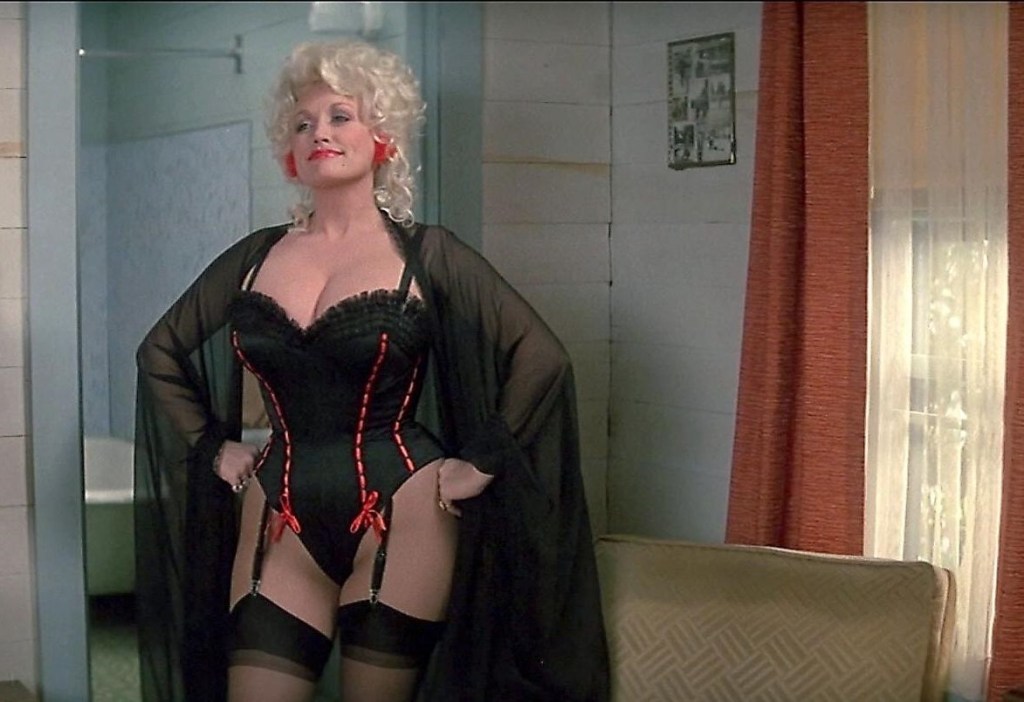
Dolly Parton: Rhinestones, Wit, and a Heart as Big as Texas
Dolly Parton was one of those rare figures who seemed almost too extraordinary to have been real—a woman who had transformed a childhood of poverty into a life glittering with rhinestones, hit records, unforgettable characters, and generosity that touched millions. She had arrived in the world with little more than a voice, a dream, and an abundance of determination. Yet somehow, she had built an empire without ever losing the warmth, humour, and mischievous sparkle that had made her so beloved.
Her story had been woven into the fabric of country music, but Dolly had never been confined by a single genre—or even a single generation. She could sing a heartbreaking ballad with the emotional force of a thunderstorm, then turn around and deliver a one-liner so sharp that people needed a moment to recover. She had always understood that laughter and sorrow were often neighbours, and that a good song could contain both.
And then there had been The Best Little Whorehouse in Texas.
The Best Little Whorehouse in Texas had given Dolly one of her most memorable film roles as Mona Stangley, the warm-hearted, tough-minded proprietor of the Chicken Ranch. Opposite Burt Reynolds, she had proved that her talents extended far beyond the recording studio. Dolly had not merely played the part—she had filled it with her trademark combination of charm, comic timing, vulnerability, and sheer force of personality.
The Chicken Ranch itself might have been the “best little” establishment in Texas, but Dolly had hardly been a little presence on screen.
Indeed, there had always been a certain comic paradox about Dolly Parton: she had been a petite woman with an enormous personality, an enormous voice, an enormous career—and, shall we say, an especially impressive pair of reasons for the camera to occasionally reconsider its preferred angle. Dolly herself had never seemed particularly embarrassed about the subject. If the world insisted on measuring her by the size of her chest, she had generally responded by making sure everyone remembered that her talent had been considerably larger.
Her famous sense of humour had helped enormously. Dolly had known exactly what she looked like, known exactly what people said about her, and—most importantly—known how to laugh along with them. Her appearance had become part of her public persona, but it had never defined her. Beneath the towering blonde hair, dazzling costumes, and famously generous proportions had been a remarkably shrewd businesswoman and songwriter.
She had written songs of astonishing emotional depth, from Jolene to I Will Always Love You, songs that had travelled far beyond country music and had become part of the global musical landscape. Her voice could sound fragile and vulnerable one moment and as powerful as a church choir the next. There had been an honesty in her singing that could not have been manufactured by rhinestones, makeup, or Hollywood lighting.
And perhaps that had been Dolly’s greatest trick.
She had created a larger-than-life image without allowing the image to swallow the woman.
The hair had been enormous.
The costumes had sparkled like a disco ball.
The heels had defied the laws of common sense.
And yes, her famous curves had occasionally seemed to arrive at a venue several seconds before the rest of her.
But Dolly Parton’s greatest asset had never been her appearance.
It had been her ability to make people feel something.
She could make people laugh, make them cry, make them sing, and occasionally make them wonder how anyone managed to walk gracefully in those shoes. Her humour had been self-deprecating without ever being self-destructive; her glamour had been extravagant without becoming cold; and her success had never erased the memory of the little girl from Tennessee who had dreamed of making something of herself.
Like the best country songs, Dolly Parton’s life had contained hardship, humour, heartbreak, ambition, and hope. She had transformed poverty into possibility and had turned a simple country voice into an international institution.
So perhaps the best way to describe Dolly Parton had been this:
She might have played the proprietor of the Best Little Whorehouse in Texas, but she had become the proprietor of something much bigger—a vast and enduring corner of popular culture where music, laughter, kindness, and a healthy appreciation for the absurd all lived happily together.
And if her chest had occasionally threatened to steal the spotlight?
Well, Dolly would probably have just laughed.
After all, when someone had written I Will Always Love You, conquered country music, conquered Hollywood, built a business empire, and remained one of the most recognisable entertainers on Earth, she could probably have afforded to let her cleavage have a supporting role.


Leave a comment