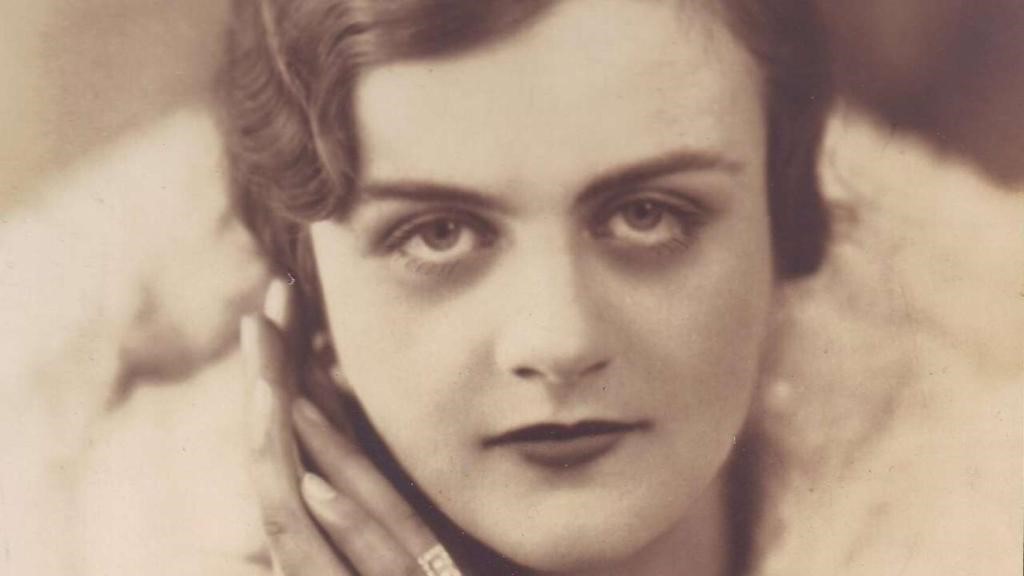
On 28 August 1939, Europe stood on the edge of catastrophe. Adolf Hitler had already dismantled the post-WWI peace: Austria was annexed, Czechoslovakia was broken, and Poland sat squarely in Germany’s sights. Governments knew war was looming, but knowing war was possible was vastly different from knowing the German war machine was poised to strike.
Then, almost by accident, a 27-year-old rookie reporter saw the proof with her own eyes. Her name was Clare Hollingworth. She had been a professional journalist for less than a week, yet what she uncovered became the greatest scoop in modern journalism.
From Refugee Worker to Frontline Reporter
Born in Leicester, England, on 10 October 1911, Hollingworth took an unconventional path to the press corps. Following the Munich Agreement of September 1938—which saw Britain and France appease Hitler by ceding the Sudetenland—she traveled to Poland. Working on the front lines of humanitarian relief, she helped process British visas and arrange escapes for thousands of refugees fleeing Nazi persecution.
This work gave her what many veteran correspondents lacked: a direct, human understanding of Nazi expansion. Recognizing her resolve, The Daily Telegraph hired her in August 1939 and dispatched her directly to the Polish border.
A Journey Across the Border
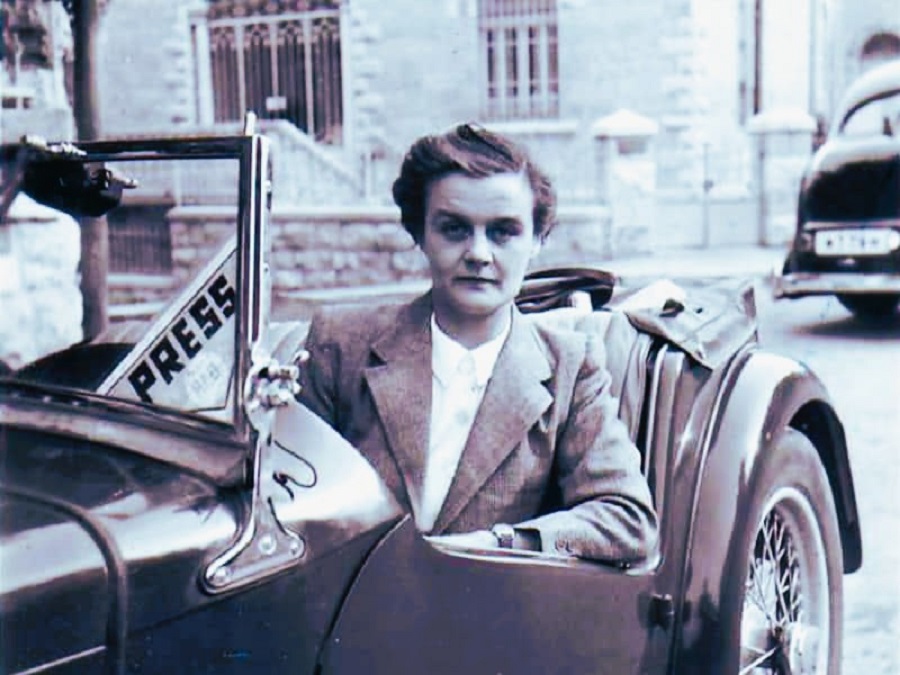
Stationed in Katowice, Hollingworth refused to rely on official press releases or diplomatic rumors. Persuading John Anthony Thwaites, the British consul-general, to lend her his official car and driver, she set off to inspect the frontier herself—a audacious move for a novice reporter.
On 28 August, she crossed into German territory toward Gleiwitz. Driving along the border, she spotted high screens of hessian fabric deliberately erected to block the view of the countryside. Then, the wind caught the camouflage.
A powerful gust lifted the fabric, revealing thousands of German tanks, armored vehicles, and artillery pieces massed in the valley below. The German army was not running routine exercises; it was staged for a full-scale invasion.
“1,000 Tanks Massed on Polish Border”
Hollingworth raced back to Katowice to file her story. On 29 August 1939, The Daily Telegraph published her eyewitness report on the front page:
“1,000 Tanks Massed on Polish Border — Ten Divisions Reported Ready for Swift Stroke.”
Unlike diplomatic speculation or intelligence leaks, her scoop was backed by direct visual evidence. She had caught the German military red-handed.
Three Days Later: “The War Has Begun”
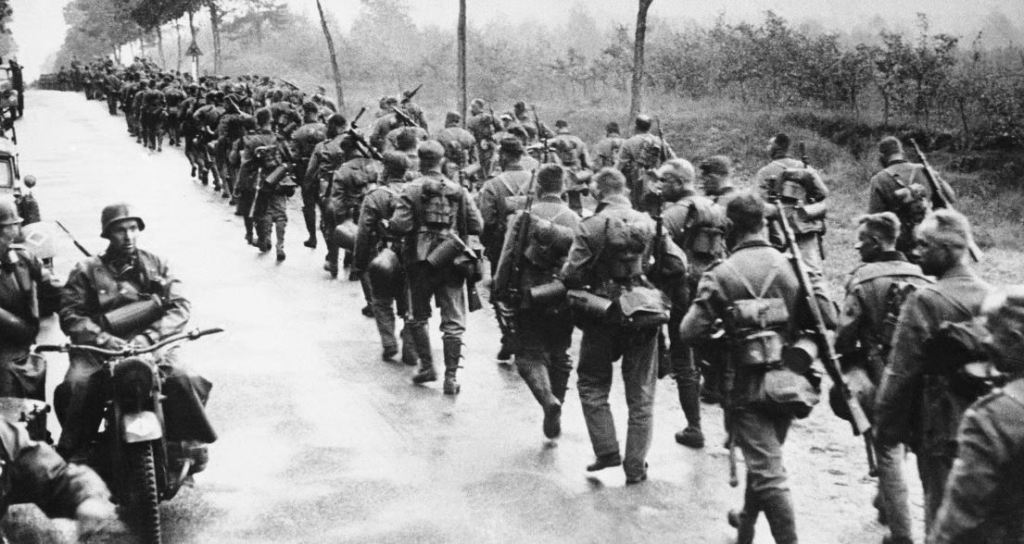
On 1 September 1939, Nazi forces crossed into Poland. Hearing the artillery from her hotel room in Katowice, Hollingworth immediately phoned the British Embassy in Warsaw.
When embassy officials hesitated to believe that the invasion was underway, Hollingworth held the receiver out her window. The roar of German bombers and artillery echoed down the line, offering the British Foreign Office its first direct confirmation that the Second World War had begun.
Defying the Rules of a Man’s Profession
In 1939, war reporting was almost exclusively reserved for men, with female correspondents routinely banned from dangerous frontlines. Hollingworth ignored these boundaries entirely.
Throughout the war, she reported from Romania, Egypt, North Africa, and the Middle East. When official military regulations prevented women from receiving full press credentials in North Africa, she found covert ways to bypass the rules. She earned a reputation for running toward the conflicts other reporters avoided, once famously describing her motivation:
“I’m not brave, I just enjoy it.”
A Legacy Beyond 1939
While the invasion of Poland established her reputation, Hollingworth’s career spanned nearly eight decades. She covered conflicts in Algeria, Vietnam, and the Middle East, broke major stories on Soviet espionage, secured a rare interview with the Shah of Iran, and reported from China during the Cultural Revolution. She narrowly survived a 1946 attack when the Irgun bombed Jerusalem’s King David Hotel while she was just 300 yards away.
Her bravery was grounded in empathy. Years after the war, records confirmed that her 1939 humanitarian work had directly saved lives—including Jewish refugees like Harry Weil, whose release from prison she negotiated before helping him secure safe passage to Britain.
The Power of Showing Up
Hollingworth eventually retired to Hong Kong, becoming a staple at the Foreign Correspondents’ Club until her death on 10 January 2017 at the age of 105.
Her life serves as a masterclass in fundamental journalism: go to the source, verify what you see, and report it without fear. A rookie reporter drove across a border, a gust of wind lifted a tarp, and Clare Hollingworth captured the moment the modern world changed forever.
Sources:
https://www.bbc.co.uk/programmes/p00jszk0
https://en.wikipedia.org/wiki/Clare_Hollingworth
https://qz.com/882342/clare-hollingworth-the-reporter-who-broke-the-story-of-wwii-died-at-age-105
Donation
Your readership is what makes my site a success, and I am truly passionate about providing you with valuable content. I have been doing this at no cost and will continue to do so. Your voluntary donation of $2 or more, if you are able, would be a significant contribution to the continuation of my work. However, I fully understand if you’re not in a position to do so. Your support, in any form, is greatly appreciated. Thank you. To donate, click on the credit/debit card icon of the card you will use. If you want to donate more than $2, just add a higher number in the box left from the PayPal link. Your generosity is greatly appreciated. Many thanks.
$2.00


Leave a Reply