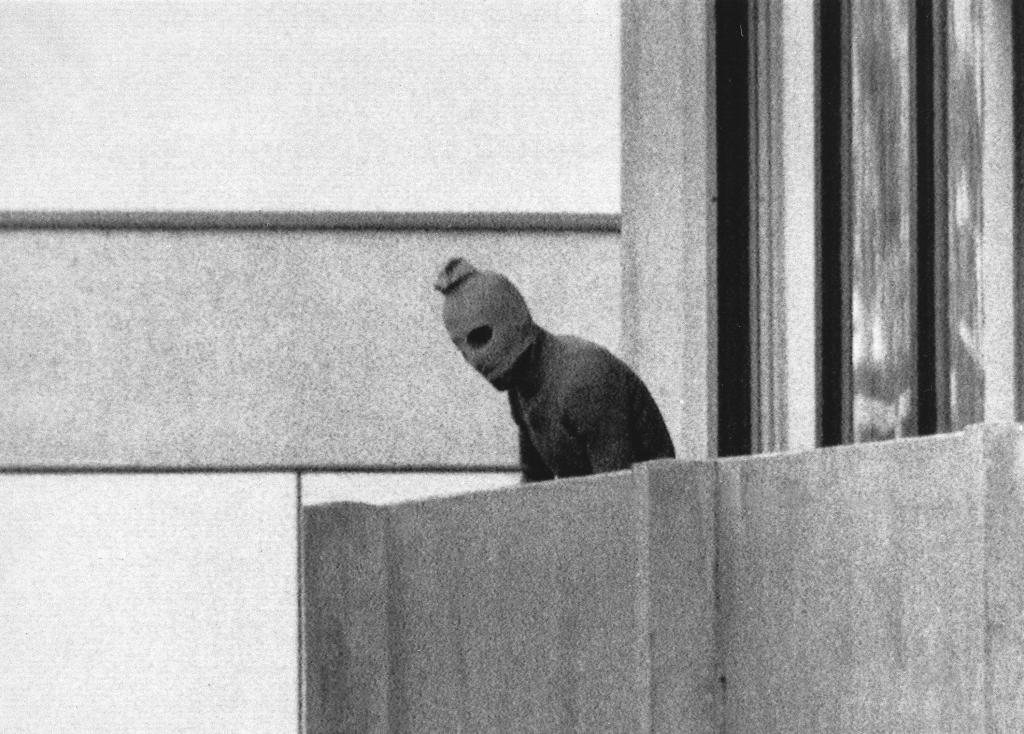
The Olympic Games are meant to represent peace, unity and international friendship. In 1972, however, the Munich Olympics became the scene of one of the most shocking terrorist attacks in modern history. On September 5, eight members of the Palestinian terrorist group, Black September, entered the Olympic Village and attacked the Israeli delegation. By the time the crisis ended in the early hours of September 6, eleven members of the Israeli Olympic team and a German police officer were dead. Five of the attackers were also killed.
The Munich Games had been deliberately designed to present a new image of West Germany. Only 36 years earlier, Berlin had hosted the 1936 Olympics under Adolf Hitler’s Nazi regime.
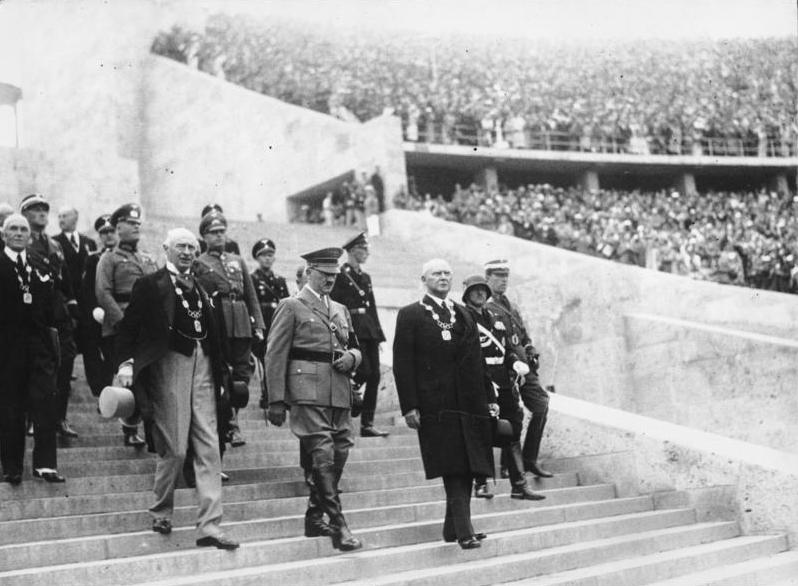
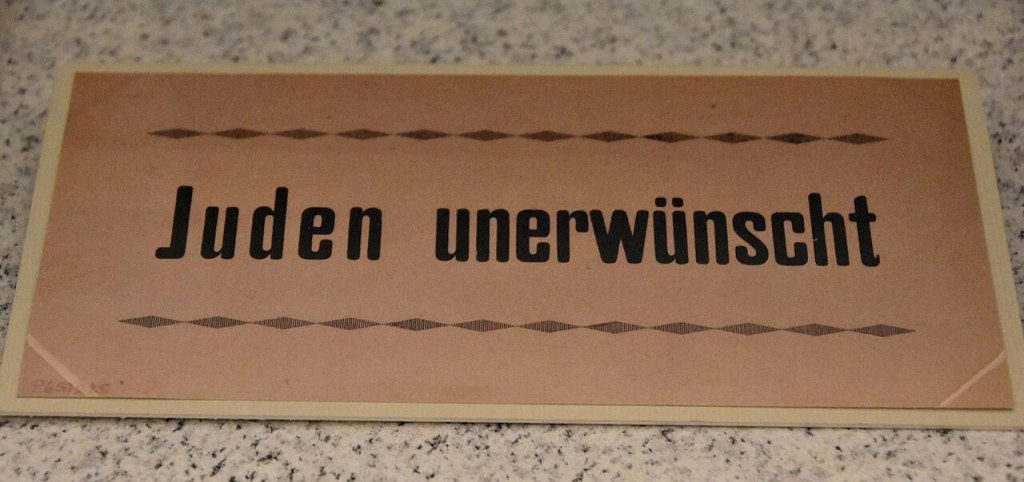
Munich’s organizers therefore wanted the 1972 Games to symbolize a democratic, modern and peaceful Germany. Security was deliberately kept relatively unobtrusive, and the Olympic Village was designed to feel open and welcoming rather than heavily guarded. Tragically, that openness created vulnerabilities that the attackers were able to exploit.
The Israeli delegation carried particular historical significance. Many of its members represented a country whose existence was closely connected to the Holocaust and the destruction of European Jewry. Some athletes and officials had family members who had been murdered during the Holocaust. Their presence in Germany less than three decades after the end of the Second World War was therefore deeply symbolic.
In the early hours of September 5, eight armed members of Black September entered the Olympic Village and reached the Israeli team’s accommodation at 31 Connollystraße. Wrestling referee Yossef Gutfreund discovered the attackers and attempted to resist them, allowing several others to escape. Wrestling coach Moshe Weinberg also fought back, but he was killed. Weightlifter Yosef Romano resisted the attackers as well and was subsequently murdered. Nine other members of the delegation were taken hostage.
The hostages were Yossef Gutfreund, David Berger, Ze’ev Friedman, Eliezer Halfin, Amitzur Shapira, Kehat Shorr, Mark Slavin, André Spitzer and Yaakov Springer. The attackers demanded the release of more than 200 Palestinian prisoners held in Israeli prisons, along with two prisoners held in West Germany. Israel refused to negotiate. German authorities instead attempted to negotiate with the hostage-takers while preparing a rescue operation.
The crisis attracted enormous international attention. Television cameras around the world transmitted images of the Olympic Village, allowing millions of people to follow the standoff. Munich demonstrated the growing power of television to transform terrorism into a global spectacle.
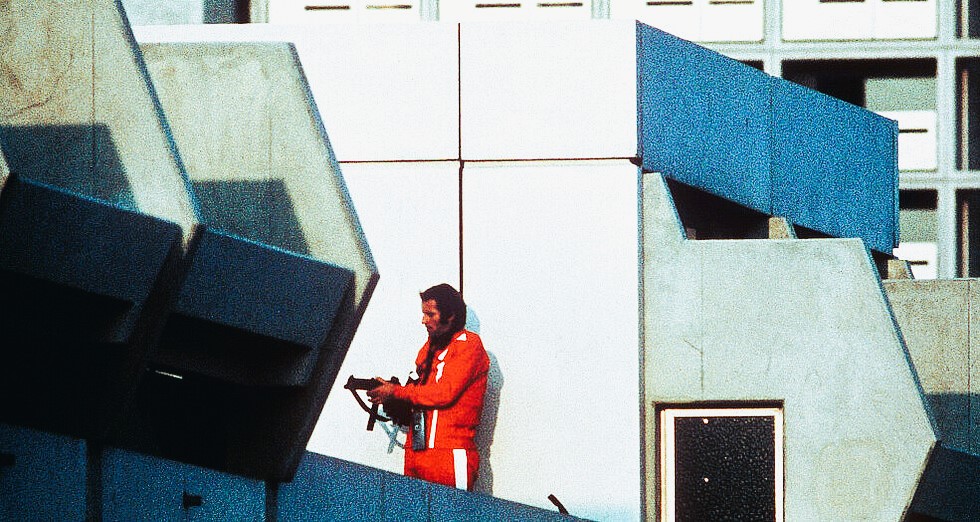
Eventually, the attackers agreed to leave the Olympic Village with the hostages and travel to an airport, intending to fly to Cairo. German authorities secretly planned an ambush at Fürstenfeldbruck airfield. The rescue operation, however, was severely flawed. The police had only five snipers, lacked sufficient specialized equipment and did not have accurate information about the number of terrorists or their positions. Germany did not yet have a dedicated counter-terrorism unit capable of handling an operation of this nature.
When the terrorists and hostages arrived at the airport, German police opened fire. The resulting battle quickly descended into chaos. German police officer Anton Fliegerbauer was killed, several terrorists were shot, and the helicopters carrying the hostages became the center of the firefight. Ultimately, all nine remaining Israeli hostages were killed.
The news shocked the world. The Munich massacre had claimed the lives of eleven members of the Israeli delegation: Moshe Weinberg, Yosef Romano, David Berger, Eliezer Halfin, Ze’ev Friedman, Yossef Gutfreund, Amitzur Shapira, Kehat Shorr, Mark Slavin, André Spitzer and Yaakov Springer. German police officer Anton Fliegerbauer was also killed.
The tragedy created a difficult question for Olympic officials: should the Games continue? Competition was suspended for approximately 34 hours, and a memorial ceremony was held at the Olympic Stadium. International Olympic Committee president Avery Brundage argued that terrorism should not be allowed to destroy the Olympic ideal. The Games subsequently resumed, although the decision remains controversial. Some believed continuing the Olympics demonstrated resilience; others felt that competition resumed too quickly after such a devastating loss.
The massacre had enormous consequences for international security. The failures of the German rescue operation exposed the need for specialized counter-terrorism forces, better intelligence, improved communications and more sophisticated planning for hostage situations. West Germany subsequently established GSG 9, a specialized federal police counter-terrorism unit. Munich also demonstrated that major sporting events and other international gatherings could become targets for politically motivated violence.
The attack had consequences beyond Germany and the Olympic movement. Israel responded with operations targeting individuals it believed were connected to the planning and support of the Munich attack. These actions became highly controversial and contributed to a continuing cycle of violence. More broadly, Munich helped establish terrorism as a major international security concern and demonstrated the extraordinary propaganda value of attacks carried out in front of a worldwide television audience.
Yet the historical significance of Munich should not obscure its human cost. The eleven Israelis who died were not simply members of an Olympic delegation; they were individuals with families, careers, friendships and ambitions. André Spitzer was a fencing coach, Yossef Gutfreund was a wrestling referee, David Berger was a weightlifter, Mark Slavin was a young wrestler who had immigrated to Israel from the Soviet Union, and Yaakov Springer was a weightlifting judge. Each had a life beyond the few terrible hours in which they became part of history.
For Germany, the massacre became part of a much larger story of historical memory. The country had attempted to use the 1972 Olympics to demonstrate that it was a fundamentally different Germany from the one that had hosted the 1936 Games. The murder of Israeli athletes on German soil nevertheless confronted the country with the continuing weight of its past. Memorials were eventually established at the Olympic Village and Fürstenfeldbruck, and Munich later created a permanent memorial and documentation center dedicated to the attack and its victims.
The fiftieth anniversary in 2022 brought renewed international attention to the massacre. The International Olympic Committee commemorated the eleven Israeli victims and German police officer Anton Fliegerbauer, ensuring that the tragedy remained part of the official memory of the Olympic movement.
More than five decades later, Munich remains a defining moment in the history of terrorism, international sport and security. It demonstrated how vulnerable even the world’s most celebrated peaceful gathering could be and changed the way governments prepared for terrorist attacks and hostage situations. But beyond politics, security and history, Munich is ultimately a story about eleven people who went to Germany to participate in the Olympic Games and never returned home.
The names of the victims deserve to remain at the heart of the story: Moshe Weinberg, Yosef Romano, David Berger, Eliezer Halfin, Ze’ev Friedman, Yossef Gutfreund, Amitzur Shapira, Kehat Shorr, Mark Slavin, André Spitzer and Yaakov Springer.
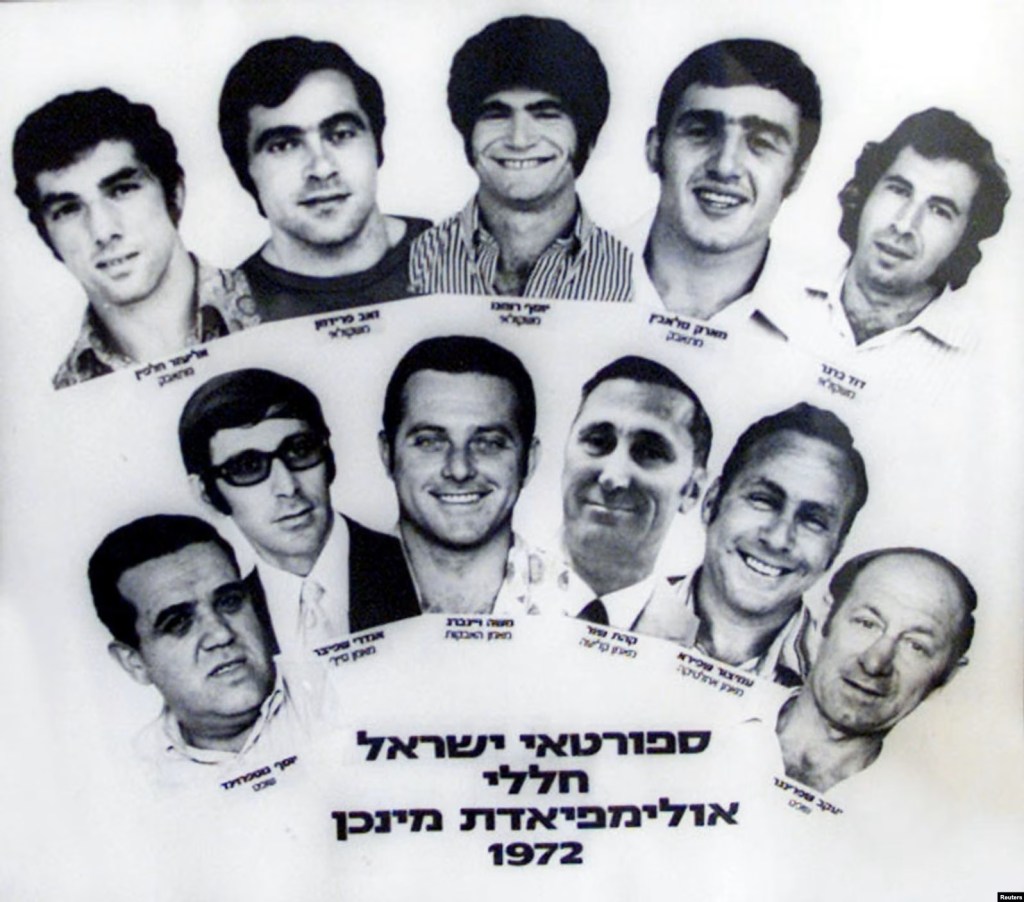
The Munich Olympics were intended to celebrate human achievement and international friendship. Instead, September 5, 1972, became a reminder of how fragile those ideals can be—and why the victims of the Munich massacre must never be reduced to a footnote in Olympic history.
Fast forward to 2026 and people in the west are asking for Israeli athletes to be banned, and want to honour Palestinian terrorists who murdered young people, Israeli and non Israeli, music fans. The lessons of 1972 still need to be learned.
https://www.rferl.org/a/munich-olympics-terrorism-massacre-1972/24698612.html
https://en.wikipedia.org/wiki/Munich_massacre
https://www.juedisches-museum-muenchen.de/en/offer/details/memorial-to-the-1972-munich-massacre-38
https://www.aufarbeitung-olympia72.de/en
https://www.npr.org/2024/12/13/nx-s1-5126526/munich-1972-massacre-olympics-september-5
https://www.dw.com/en/1972-munich-olympics-massacre-an-avoidable-catastrophe/a-40405813


Leave a Reply