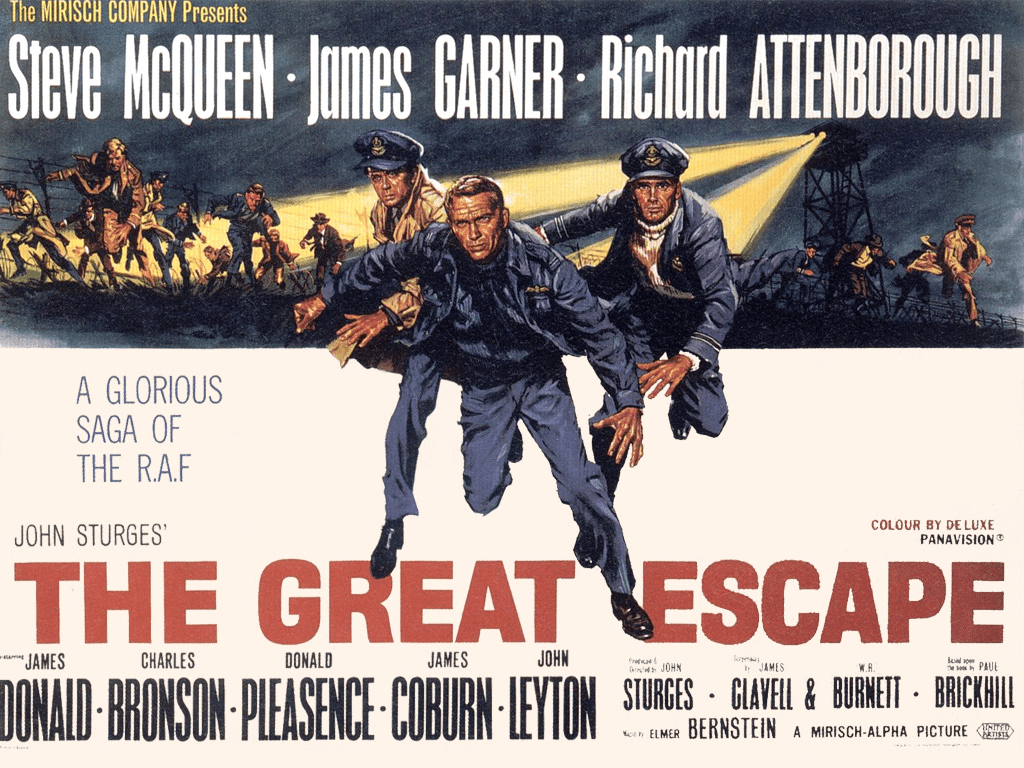
During World War II, one of the most daring and ambitious prisoner-of-war (POW) escapes in history took place in the German POW camp Stalag Luft III. Known as “The Great Escape,” Allied airmen executed this remarkable event, which demonstrated extraordinary resilience, ingenuity, and bravery in their pursuit of freedom. While the escape itself was a testament to human determination, its tragic aftermath also serves as a somber reminder of the risks taken by those seeking liberty.
Background of Stalag Luft III
Stalag Luft III was a high-security prisoner-of-war camp located in Sagan, Germany (modern-day Żagań, Poland). The Luftwaffe operated it and primarily held captured Allied airmen. Unlike other POW camps, Stalag Luft III was explicitly designed to prevent escapes and featured elevated barracks to expose tunnel digging, seismograph-style devices to detect underground activity, and loose sandy soil, making tunneling extremely difficult. Despite these obstacles, the prisoners were undeterred and devised an elaborate escape plan.
The Escape Plan
The mastermind of the escape plan was Squadron Leader Roger Bushell, codenamed “Big X.” The goal was to free 200 prisoners through a complex tunnel system. To maximize their chances, they constructed three tunnels, nicknamed “Tom,” “Dick,” and “Harry,” to divert German attention. The POWS dug the tunnels with makeshift tools, and the prisoners used ingenuity to hide the soil, construct ventilation systems, and even forge documents and civilian clothing to aid in their getaway.
The Execution of the Escape
The escape was set into motion on the night of March 24, 1944, after months of careful planning and hard labor. However, unexpected difficulties arose. The tunnel “Harry” exit surfaced slightly short of the forest line, leaving escapees dangerously exposed. Despite this, 76 men managed to slip away before the guards discovered the escape.
The Aftermath and Tragic Consequences
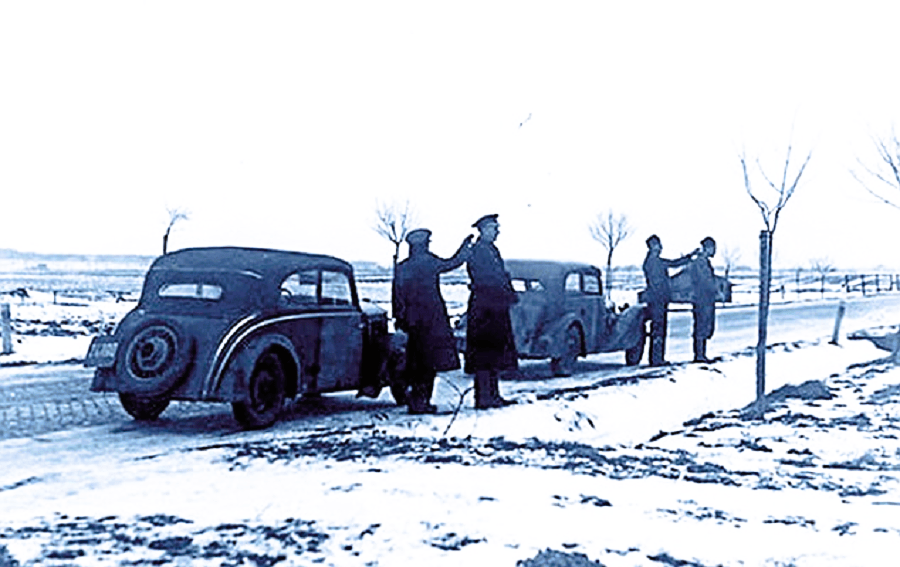
Once the escape was detected, the Germans launched a massive manhunt involving thousands of soldiers, police, and informants. Of the 76 escapees, only three successfully made it to safety: two Norwegian pilots, Per Bergsland and Jens Müller, who reached Sweden, and Dutch pilot Bram van der Stok, who made his way to the British consulate in Gibraltar.
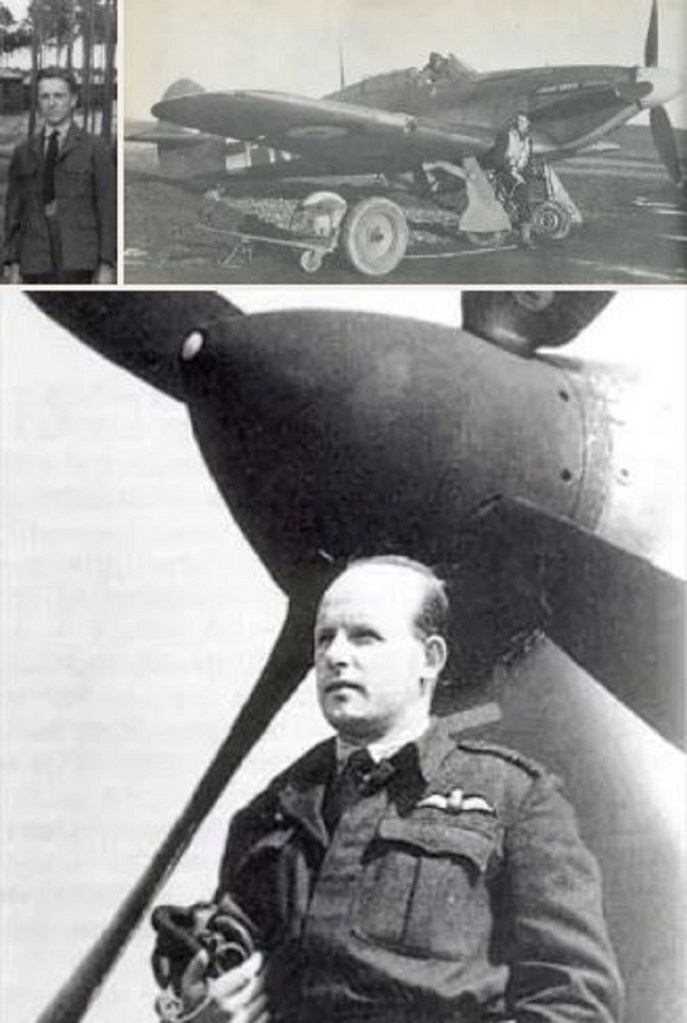
The Germans recaptured the rest. In a brutal act of retaliation, Adolf Hitler, enraged by the escape, ordered the execution of 50 prisoners and taken in small groups under the pretense of being transferred. Instead, they were shot, killed by the Gestapo. This war crime sent shockwaves through the Allied forces and reinforced the brutality of the Nazi regime.
Legacy and Impact
The Great Escape became an enduring symbol of courage, ingenuity, and defiance against oppression. After the war, several of the Gestapo officers involved in the executions were tried and executed for war crimes. The 1963 Hollywood film The Great Escape immortalized the event, which, though dramatized, helped bring global attention to the real-life heroism of those involved.
Today, the site of Stalag Luft III serves as a memorial, honoring the prisoners who risked their lives for freedom. Their story remains a powerful testament to the resilience of the human spirit in the face of tyranny.
The Great Escape was more than just a daring breakout—it was an extraordinary demonstration of courage, sacrifice, and unity among Allied prisoners of war. Though many paid the ultimate price, their legacy inspires generations, reminding the world of the strength of perseverance and the relentless pursuit of freedom.
After Nazi Germany’s surrender in May 1945, the Royal Air Force Police, to whom they assigned 50 airmen, launched a special investigation into their killings. Despite official German reports claiming the “airmen were shot escaping after their recapture,“ the RAF Police classified the shootings as a war crime. The extensive investigation, led by Wing Commander Wilfred Bowes and Squadron Leader Frank McKenna of the Special Investigation Branch, was unprecedented—it was the only major war crime inquiry conducted solely by a single branch of any nation’s military.
The first trial specifically addressing the Stalag Luft III murders began on July 1, 1947, with 18 defendants. All the accused pleaded not guilty before No. 1 War Crimes Court at the Curio Haus in Hamburg.
The trial was a thorough 50 days, with verdicts and sentences delivered on September 3, 1947. Max Wielen was convicted of conspiracy and sentenced to life imprisonment. The other defendants were acquitted of the first two charges, but they were found guilty of individual counts of murder. Breithaupt received a life sentence, while Denkmann and Struve were each sentenced to 10 years in prison. Boschert received a life sentence in prison. British hangman Albert Pierrepoint executed the remaining 13 condemned prisoners at Hamelin Jail in February 1948.
Sources
https://www.bbc.com/culture/article/20250320-the-true-story-of-the-great-escape
https://en.wikipedia.org/wiki/Stalag_Luft_III
https://www.cwgc.org/our-work/blog/legacy-of-liberation-the-true-story-of-the-great-escape/
https://www.pbs.org/show/great-escape-true-story/
Donation
Your readership is what makes my site a success, and I am truly passionate about providing you with valuable content. I have been doing this at no cost and will continue to do so. Your voluntary donation of $2 or more, if you are able, would be a significant contribution to the continuation of my work. However, I fully understand if you’re not in a position to do so. Your support, in any form, is greatly appreciated. Thank you. To donate, click on the credit/debit card icon of the card you will use. If you want to donate more than $2, just add a higher number in the box left from the PayPal link. Your generosity is greatly appreciated. Many thanks.
$2.00
 History of Sorts
Leave a comment