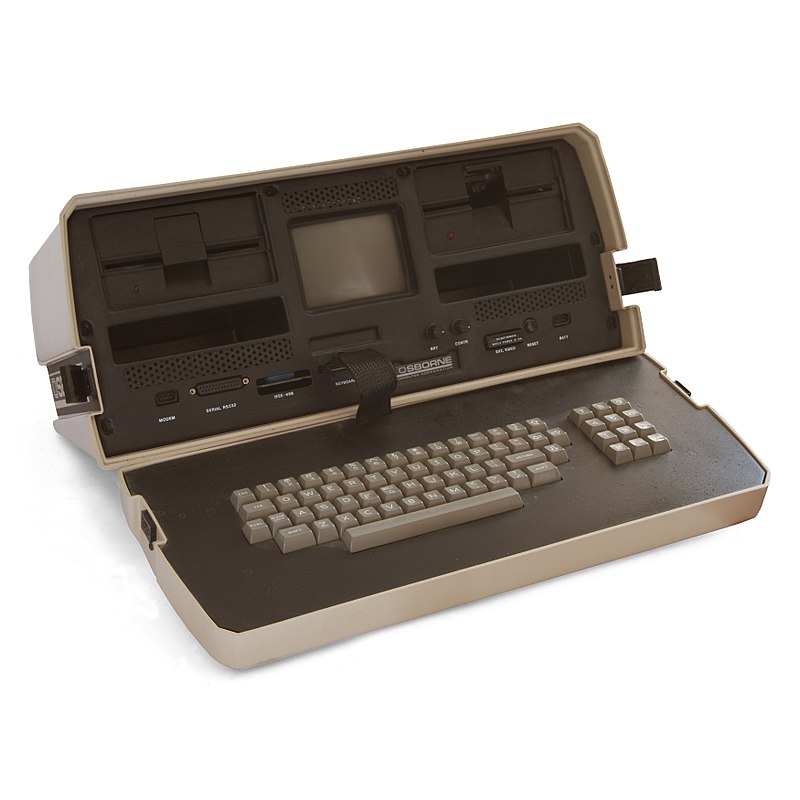
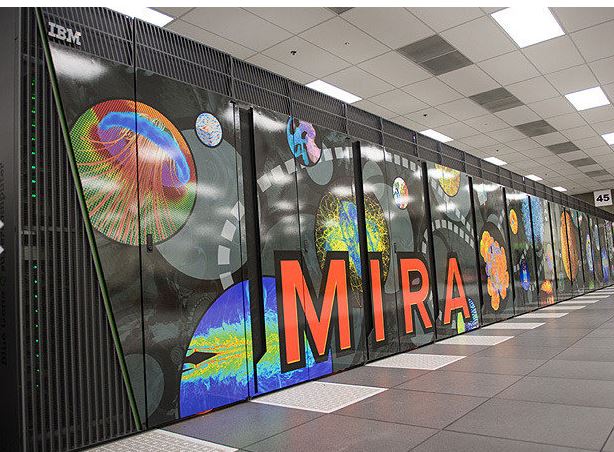
Computers nowadays come in all shapes and sizes from a smartphone to the super computer Mira.
An essential requirement nowadays is that computers are portable. It may be hard to believe but the history of portable computers goes back 38 years, even when I write it ’38 years’ I can’t believe it . i was barely a teenager then.
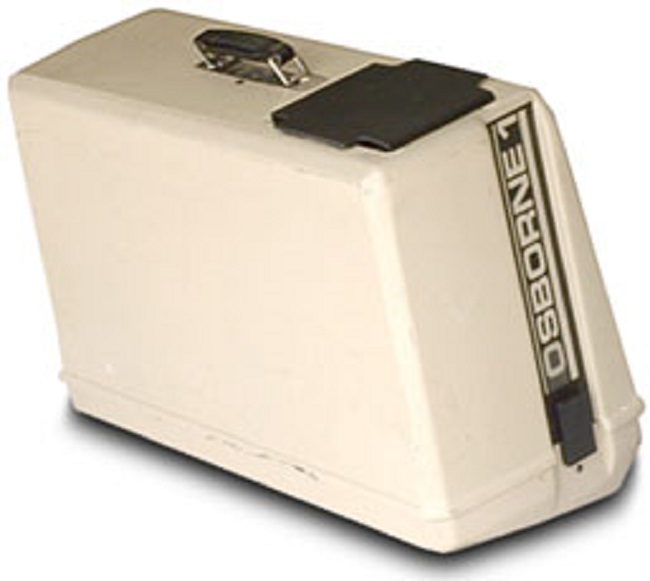
The Osborne 1 was the first commercially successful portable microcomputer, released on April 3, 1981, by Osborne Computer Corporation. It weighed 10.7 kg (24.5 lb), cost US$1,795, and ran the CP/M 2.2 operating system. Powered directly from a mains socket as it had no on-board battery, it was still classed as a portable device since it could be hand-carried when packed.
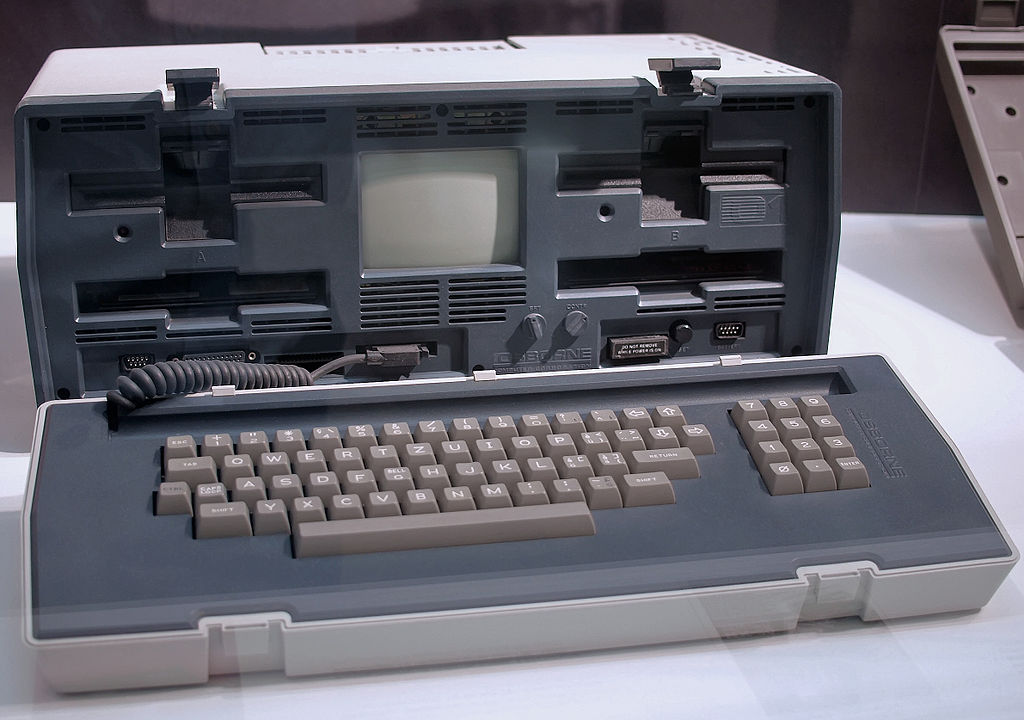
While the Osborne 1 was a good deal at $1,795, it also came bundled with about $1,500 of free software:
- CP/M Utility
- CP/M Operating System
- SuperCalc spreadsheet application
- WordStar word processing application with MailMerge
- Microsoft MBASIC programming language (interpreted)
- Digital Research CBASIC programming language (compiled)
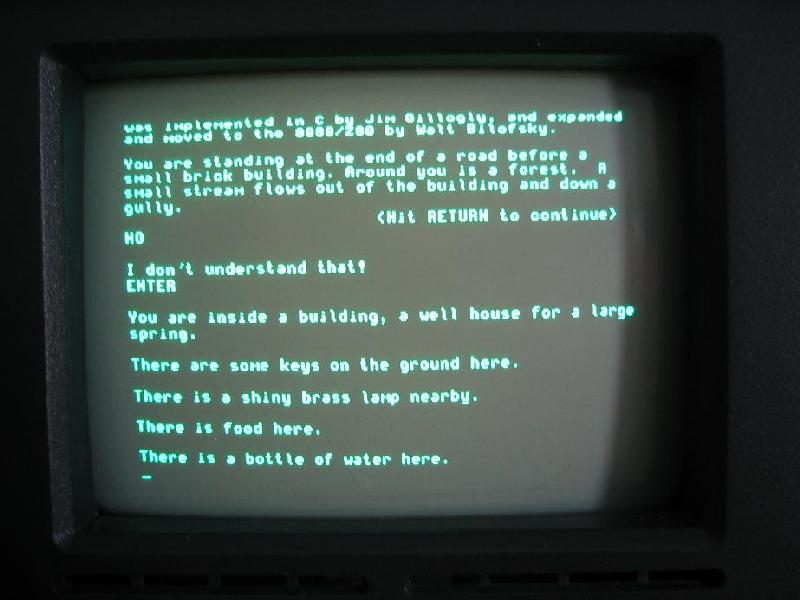
Lets just have a look at the dazzling specification of this marvel of high tech equipment.
- Dual 5¼-inch, single-sided 40 track floppy disk drives (“dual density” upgrade available)
- 4 MHz Z80 CPU
- 64 KB main memory
- Fold-down 69 key detachable keyboard doubling as the computer case’s lid
- 5-inch, 52 character × 24 line monochrome CRT display, mapped as a window on 128 × 32 character display memory
- Parallel printer port configurable as an IEEE-488 port
- RS-232 compatible 1200 or 300 baud Serial port for use with external modems or serial printers.
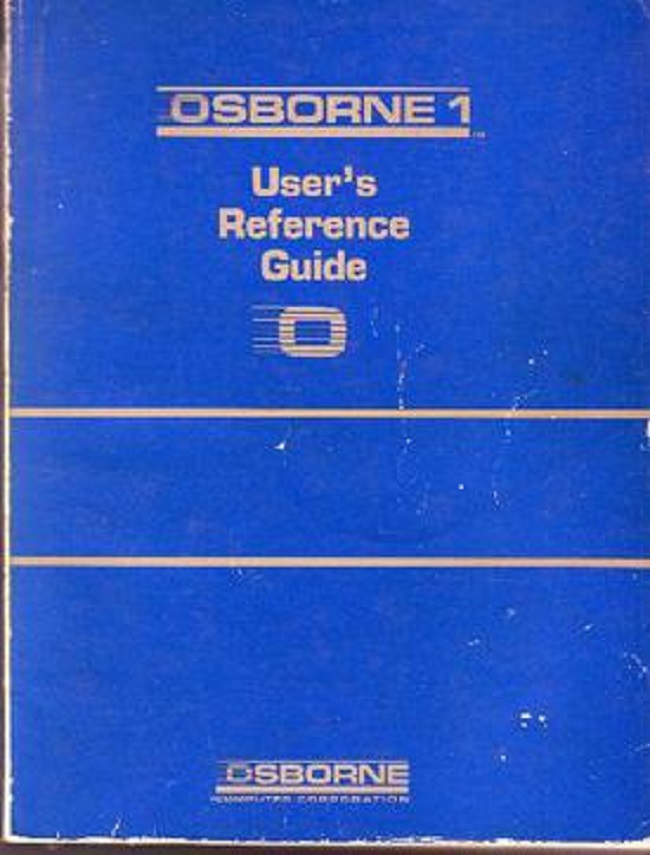
And yes this complicated piece of machinery needed a 500+ pages instruction manual.
The Osborne 1 was powered by a wall plug with a switched-mode power supply, and had no internal battery. An aftermarket battery pack offering 1-hour run-time was available, and connected to the system through a front panel socket. Early models (tan case) were wired for 120 V or 240 V only. Later models (blue case, shipping after May 1982) could be switched by the user to run on either 120 V or 230 V, 50 or 60 Hz. There was no internal fan; a hatch at the top of the (blue) case could be opened for ventilation.
Ah those were the days.

Donation
Your readership is what makes my site a success, and I am truly passionate about providing you with valuable content. I have been doing this at no cost and will continue to do so. Your voluntary donation of $2 or more, if you are able, would be a significant contribution to the continuation of my work. However, I fully understand if you’re not in a position to do so. Your support, in any form, is greatly appreciated. Thank you. To donate, click on the credit/debit card icon of the card you will use. If you want to donate more than $2, just add a higher number in the box left from the PayPal link. Your generosity is greatly appreciated. Many thanks.
$2.00

 History of Sorts
Leave a reply to dirkdeklein Cancel reply