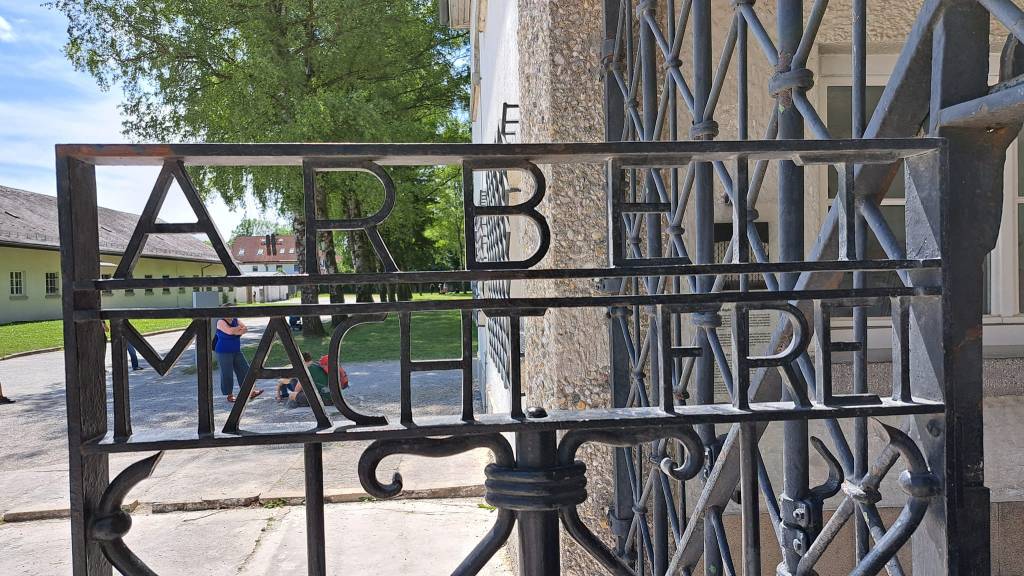
A few months ago, I visited Dachau. Today, for some reason, I was reminded of something that the tour guide said.
The guide was from Ireland, which I found surprising but it was a pleasant surprise because he was clearly an expert in Dachau and its history. However, despite his expertise, there was one thing I disagreed with him. I did not speak up because I didn’t want to trigger a debate and spoil the tour for the others. Also, I did not wish to make it a “de Klein knows better” session.
The issue I disagreed with was based on his opinion rather than anything else, and it was technically correct. He did say that the Russians won World War II, as without them, the other allied troops would not have been able to stop the Nazis.
He made two errors in that assumption—firstly, it was the Soviets—not the Russians. Not every Soviet was Russian. In fact, Stalin himself was Georgian. Secondly, the Soviets were initially part of the Axis nations. They enabled the Nazis at the crucial early stage of World War II. Therefore, it can be argued that if the Soviets hadn’t formed a pact with the Germans, the outcome of the War could have been different and the Holocaust may not have happened at the level that it did. At the end of the War, the Soviets were really cleaning up their own mess.
However, we shouldn’t point our fingers only at the Soviets.
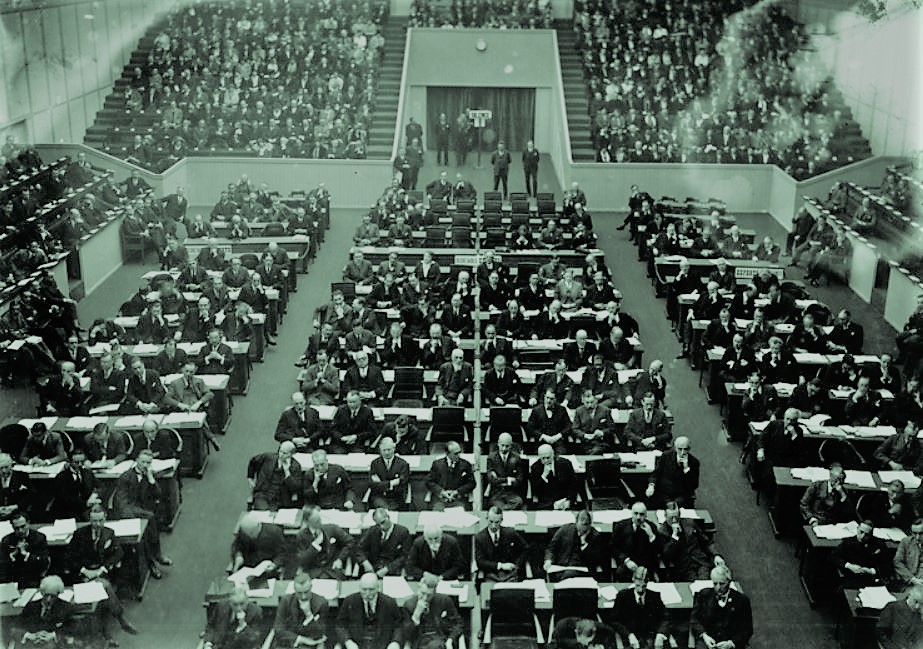
On 10 January 1920, the League of Nations came into existence. Ireland joined on 8 September 1923 as the Irish free state.
The League was set up to avoid another global conflict, as had happened a few years before the set up of the League. There would be no more World War, but they failed.
All of the nations contributed to World War II and by extension—the Holocaust. They contributed through either collaboration with the Nazis or by naivety and appeasement. Others chose to ignore the situation, which was clearly developing in 1930s Germany. At any stage, the progression of the dictatorship could have been stopped, but the League of Nations failed to do so.
This is not to take away any blame from Germany and its allies. Of course, not all Germans are to blame but, the fact of the matter is that the Nazis came to power via democratic means. The later elections did coincide with violence, but the early ones—didn’t. Every election allowed the Nazis to gain a foothold in Germany.
Maybe that’s why the League of Nations didn’t intervene. When it saw the opening of the concentration camps like Dachau, the breaking of treaties, and Kristallnacht—they should have acted. Of course, people will say, “It’s easy to say this in hindsight,” which is absolutely true, but the League of Nations had that hindsight. It witnessed the events between 1914 and 1918. There was no excuse not to act.
However, in 2023, the United Nations was just as powerless as the League of Nations was in the 1930s.
Source

Donation
Your readership is what makes my site a success, and I am truly passionate about providing you with valuable content. I have been doing this at no cost and will continue to do so. Your voluntary donation of $2 or more, if you are able, would be a significant contribution to the continuation of my work. However, I fully understand if you’re not in a position to do so. Your support, in any form, is greatly appreciated. Thank you. To donate, click on the credit/debit card icon of the card you will use. If you want to donate more than $2, just add a higher number in the box left from the PayPal link. Your generosity is greatly appreciated. Many thanks.
$2.00
 History of Sorts
Leave a comment