
Syndrome K: The Disease That Never Was
The human spirit’s resilience and ingenuity often shine brightest during humanity’s darkest hours. One of the most striking examples of this is the story of Syndrome K, a fictitious disease created by doctors in Rome during World War II to save Jews from Nazi persecution. This ingenious deception saved lives and stands as a testament to the power of compassion and creativity in the face of unimaginable evil.
During World War II, Rome was under the occupation of Nazi Germany following Italy’s armistice with the Allies in September 1943. The Nazi regime, notorious for its relentless persecution and extermination of Jews, began rounding up Jewish residents of Rome for deportation to concentration camps. In this perilous environment, many Italian Jews sought refuge wherever they could find it, including hospitals.
The Fatebenefratelli Hospital, located on the Tiber Island in Rome, near the Jewish ghetto, became an unlikely sanctuary thanks to its staff’s courage and quick thinking, particularly Dr. Giovanni Borromeo.
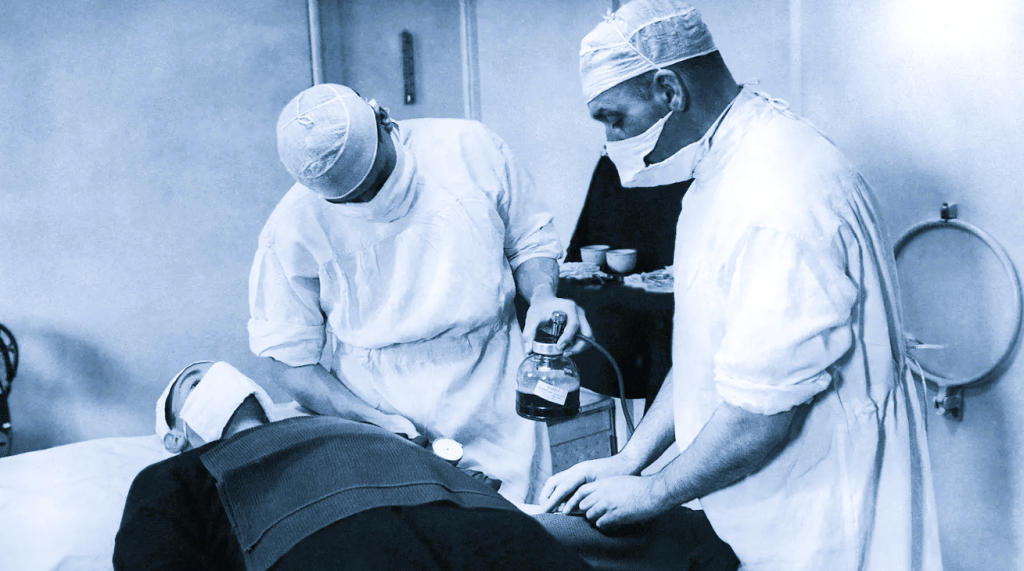
Syndrome K was portrayed to the Nazis as a highly contagious and deadly disease, with symptoms that would lead to immediate quarantine by Nazi soldiers—severe coughing, paralysis, and other severe manifestations. The idea was to present Syndrome K as something so frightening that the Nazis would avoid any contact with those purportedly infected, thus keeping the Jews hidden in plain sight.
When Jews arrived at the hospital seeking refuge, the doctors would admit them under the diagnosis of Syndrome K. These “patients” were then placed in a particular ward, and signs—warning of the deadly and contagious disease—were posted. The ruse was so convincing that Nazi officers steered clear of the ward entirely upon hearing the symptoms and the risks of the “contagious” new respiratory disease, which included fever, breathing difficulties, and dementia.
The hospital staff played their roles to perfection. They would cough loudly and act out the symptoms whenever German soldiers were nearby. Dr. Ossicini later recounted how they used to tell the Nazis that the disease was highly contagious and they should stay away for their safety. The fear of catching this mysterious illness was enough to keep the soldiers at bay.
The invention of Syndrome K saved dozens, if not hundreds, of lives. Many Jewish families managed to survive the Holocaust due to the bravery and ingenuity of these doctors. The story of Syndrome K is a powerful reminder of how, even in the darkest times, acts of courage and compassion can make a significant difference.
The story remained largely untold for decades, overshadowed by the broader horrors of the Holocaust. However, in recent years, it has received more attention, recognizing the remarkable bravery of the Italian doctors and the hospital staff who risked their lives to save others.
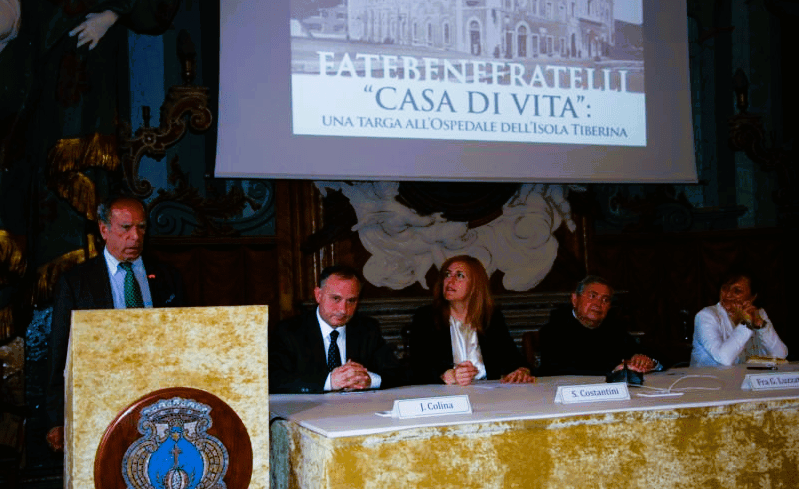
On June 21, 2016, Fatebenefratelli was honored as a “House of Life” by the Raoul Wallenberg Foundation, a US organization dedicated to honoring heroic acts during the Holocaust.
For the occasion, 96-year-old Ossicini granted an interview to the Italian newspaper La Stampa (video in Italian) about the invention of the disease:
“Syndrome K was put on patient papers to indicate that the sick person wasn’t sick at all but Jewish. We created those papers for Jewish people as if they were ordinary patients, and in the moment when we had to say what disease they suffered? It was Syndrome K, meaning ‘I am admitting a Jew,’ as if he or she were ill, but they were all healthy.
The idea to call it Syndrome K, like Kesserling or Kappler, was mine.”
Albert Kesserling was the German commander overseeing Rome’s occupation. SS chief Herbert s had been installed as city police chief and would later mastermind the Ardeatine massacre, a mass killing of Italian Jews and political prisoners in 1944.
Syndrome K is more than just a clever ruse; it symbolizes resistance against tyranny and a testament to the capacity for human kindness and ingenuity. In the face of overwhelming evil, a group of doctors used their wits and compassion to protect the innocent, demonstrating that even small acts of defiance can have profound impacts. The legacy of Syndrome K serves as an enduring reminder of the power of courage and creativity in the face of oppression.
Sources
https://www.ohsjd.org/objects/Pagina.asp?ID=10784
https://www.history.co.uk/article/syndrome-k-the-fake-ww2-disease-that-saved-jews-from-the-nazis
https://allthatsinteresting.com/syndrome-k
Donation
Your readership is what makes my site a success, and I am truly passionate about providing you with valuable content. I have been doing this at no cost and will continue to do so. Your voluntary donation of $2 or more, if you are able, would be a significant contribution to the continuation of my work. However, I fully understand if you’re not in a position to do so. Your support, in any form, is greatly appreciated. Thank you. To donate, click on the credit/debit card icon of the card you will use. If you want to donate more than $2, just add a higher number in the box left from the PayPal link. Your generosity is greatly appreciated. Many thanks.
$2.00
 History of Sorts
Leave a comment