
The 1944 Summer Olympics, officially known as the Games of the XIII Olympiad, was a planned international multi-sport event to be held from 22 July to 5 August 1944 in London, England, United Kingdom. However, the games were cancelled because of World War II.
However there was one group who were determined that the games would go ahead.
In the annals of history, the year 1944 is often remembered for the intense and widespread conflict of World War II. Amidst this global turmoil, an extraordinary and little-known event took place, a beacon of hope in the darkness: the International Prisoner of War (POW) Olympic Games. Held in various POW camps, these games epitomized the resilience, creativity, and camaraderie of prisoners who sought to preserve their physical and mental well-being through sport and competition. This essay delves into the origins, events, significance, and legacy of the 1944 POW Olympics, a testament to the indomitable spirit of humanity.
No international sporting body sanctioned the 1944 POW Olympics; instead, it was a grassroots initiative organized by the prisoners of war themselves. The most notable of these games took place in Oflag II-C, a German POW camp for Polish officers located in Woldenberg (now Dobiegniew, Poland). Captured early in the war, these officers were well-educated, and many had significant backgrounds in sports and military training. Faced with the monotony and harsh conditions of imprisonment, they sought ways to maintain their morale and physical fitness. Inspired by the spirit of the Olympics, they decided to organize their version of the Games.
The organization of the games required ingenuity and resourcefulness. With no official equipment, the prisoners crafted their own from available materials. Footballs were made from stuffed rags, and tracks were marked out within the confines of the camp. Despite these limitations, the POWs managed to create a varied and engaging program of events.
The 1944 POW Olympics featured a range of sports and activities, including football (soccer), volleyball, boxing, athletics (track and field), and more. These events were meticulously planned and executed, often involving makeshift facilities and improvised equipment. Football matches were a highlight, drawing significant participation and enthusiastic spectatorship. Athletic events such as sprints, long jumps, and relay races were also held, showcasing the prisoners’ physical prowess and competitive spirit.
The primary aim of the POW Olympics was to boost morale and maintain physical health. The mental strain of imprisonment, coupled with the physical inactivity imposed by camp life, posed significant challenges to the prisoners’ well-being. Engaging in sports provided a much-needed outlet for physical exertion and mental distraction. Moreover, the games fostered a sense of community and solidarity among the prisoners, helping to mitigate the isolation and despair of their circumstances.

The POW Olympics also served as a powerful symbol of resistance and resilience. By organizing and participating in these games, the prisoners asserted their humanity and dignity in the face of dehumanizing conditions. The spirit of the Olympics, with its emphasis on unity, fair play, and excellence, resonated deeply within the confines of the camps, offering a beacon of hope and normalcy.
In addition to sports, the POWs engaged in a range of cultural and educational activities. They organized lectures, theatre productions, and musical performances, transforming the camps into centers of intellectual and artistic activity. These endeavors provided further enrichment and diversion, demonstrating the prisoners’ determination to sustain their minds as well as their bodies.
The 1944 POW Olympics serve as a reminder of the human capacity for creativity, resilience, and solidarity under the most trying conditions. These games were not just athletic contests but powerful acts of defiance and self-preservation. They highlighted the prisoners’ refusal to succumb to despair and their ability to find meaning and purpose even in captivity.
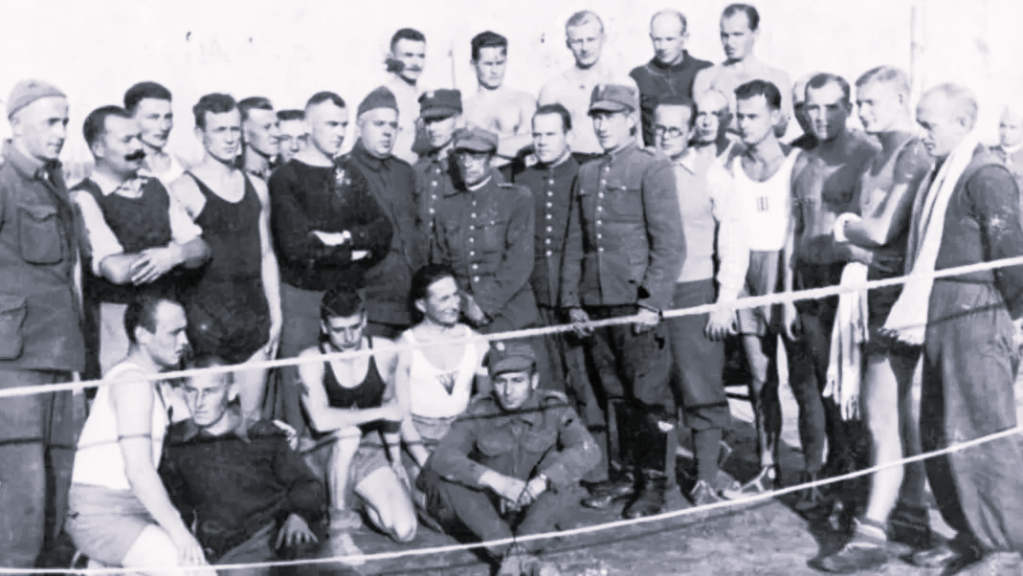
On July 23, 1944, the prisoners gathered in a field to stage the opening ceremony. ‘” The excitement in the entire camp was unbelievable,” former prisoner Arkady Verjizinsky told NBC for a feature that aired during the 2004 Summer Games. “All of us were there, some 6,000 men. We were all there together. This was a great moment, and then the Olympic flag went up, the only one in the world, just in this spot.”
The bizarre 1944 Olympics at Woldenberg was more than just a sporting event. It was a symbol of faith in the value and meaning of the Olympic idea, in spite of everything that happened beyond the reach of the barbed wire.
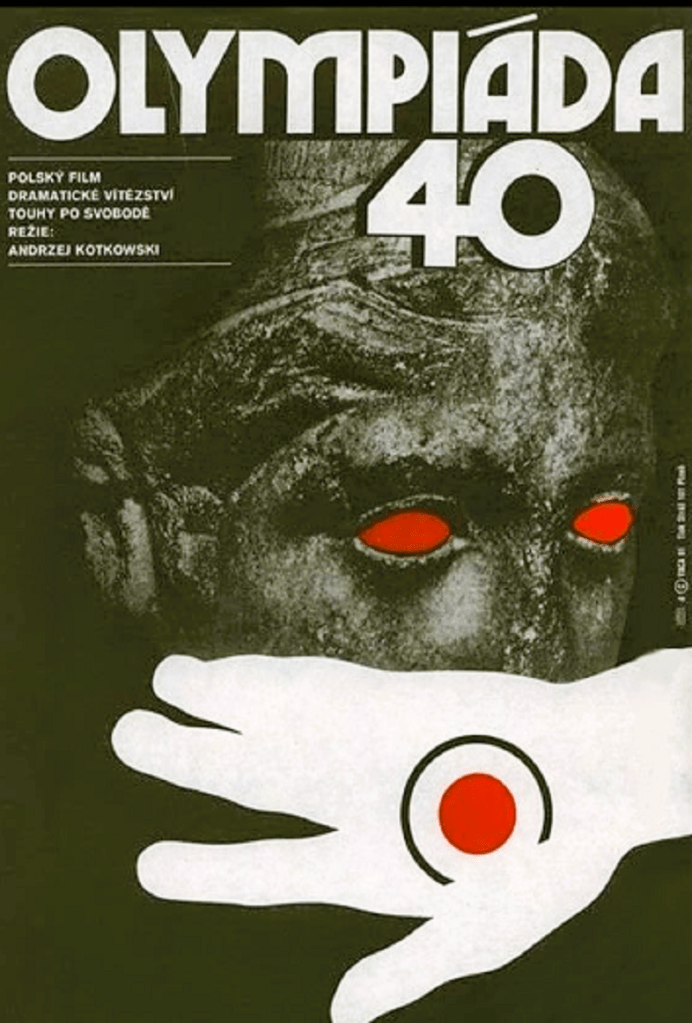
The 1944 weren’t the only games to be held by prisoners of war. In July 1940 prisoners of war in a camp in Langwasser, Germany, held their own DIY Olympic Games in August 1940. The event was called the International Prisoner-of-War Olympic Games. The Olympic flag and banners for Belgium, France, Great Britain, Norway, Poland and the Netherlands were drawn on a prisoner’s shirt using crayons. The 1980 movie Olimpiada ’40 recounts this story.
Sources
https://www.imdb.com/title/tt0081274/
https://history.howstuffworks.com/world-war-ii/wwii-pow-olympics.htm
https://www.history.com/news/the-olympics-held-behind-nazi-barbed-wire
https://www.mentalfloss.com/article/63020/pow-olympics-world-war-ii
Donation
I am passionate about my site and I know you all like reading my blogs. I have been doing this at no cost and will continue to do so. All I ask is for a voluntary donation of $2, however if you are not in a position to do so I can fully understand, maybe next time then. Thank you. To donate click on the credit/debit card icon of the card you will use. If you want to donate more then $2 just add a higher number in the box left from the PayPal link. Many thanks.
$2.00
 History of Sorts
Leave a comment