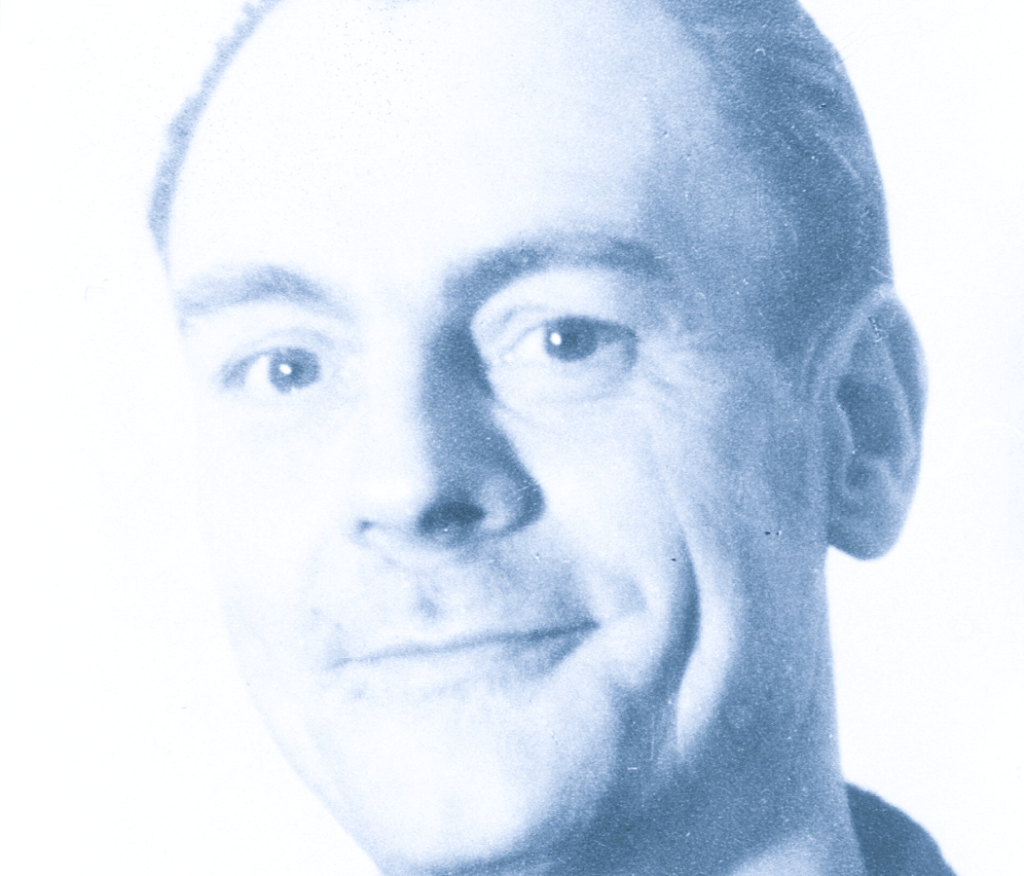
Maarten Kuiper stands as a stark reminder of the complexities and moral ambiguities faced by individuals during the tumultuous times of World War II. Born on January 30, 1907, in Amsterdam, Kuiper’s early life was unremarkable, characterized by a series of ordinary professions including that of a sailor and a police officer. However, his later life took a dark turn as he became deeply involved with the National Socialist Movement in the Netherlands (NSB), marking him as one of the most notorious Dutch collaborators with Nazi Germany.
The NSB, founded in 1931 by Anton Mussert, was a Dutch fascist organization that later aligned itself with Nazi ideology. Kuiper’s exact motivations for joining the NSB remain a subject of speculation, but like many of his contemporaries, he was likely influenced by a combination of nationalist sentiment, ideological alignment with fascist principles, and opportunism. The rise of the NSB provided Kuiper and others with a platform to gain power and influence, especially as the Nazi occupation of the Netherlands commenced in May 1940.
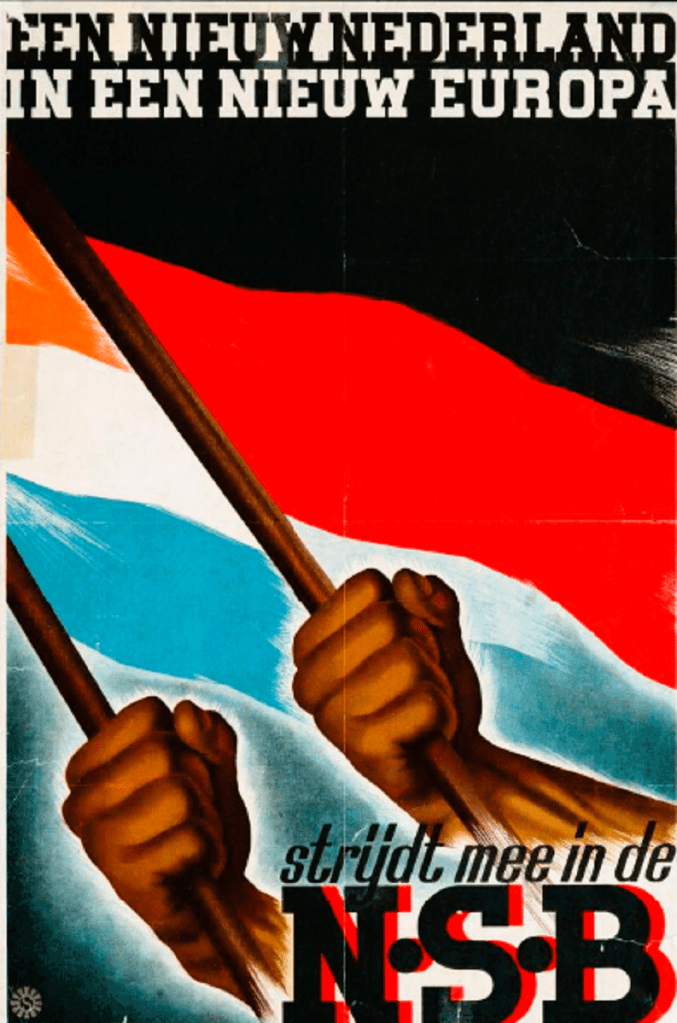
Kuiper’s role within the NSB quickly escalated due to his willingness to collaborate with the occupying German forces. His prior experience as a police officer perhaps made him a valuable asset to the Gestapo, the notorious Nazi secret police. Kuiper’s involvement with the Gestapo marked the beginning of his most infamous and brutal period.
During the Nazi occupation, Kuiper became a key figure in the suppression of Dutch resistance movements. His collaboration with the Gestapo involved hunting down and arresting members of the resistance, as well as participating in the deportation of Jews to concentration camps. Kuiper’s actions were characterized by their brutality and efficiency, earning him a feared reputation among the Dutch populace.
One of the most notable aspects of Kuiper’s collaboration was his participation in anti-resistance operations. The Dutch resistance, though fragmented and often disorganized, posed a significant threat to German control. Kuiper’s knowledge of local networks and his ruthless methods made him an effective, albeit despised, instrument of Nazi oppression. His involvement in these operations often led to the capture, torture, and execution of resistance fighters, further cementing his notoriety.
With the liberation of the Netherlands in 1945, the full extent of Kuiper’s collaboration became evident. As the Nazi regime crumbled, Kuiper, like many collaborators, faced retribution from the liberated Dutch government and its people. He was arrested and subsequently tried for war crimes, primarily his involvement in the persecution of Jews and resistance members. The trial was a significant event in post-war Netherlands, symbolizing the broader reckoning with the actions of collaborators and the enduring scars of occupation.
Kuiper was found guilty of war crimes and was sentenced to death. On August 30, 1948, he was executed by firing squad. His execution marked the end of a dark chapter in Dutch history, but the legacy of his actions continued to resonate. Kuiper’s life and deeds are often examined in historical studies as a case of extreme collaboration, offering insights into the broader dynamics of occupation and resistance during World War II.
He was responsible for the execution of Adrianus Michiel de Jong, Hannie Schaft. It was alleged that he also was present at the arrest of Anne Frank and her family, but this turned out not to be true.
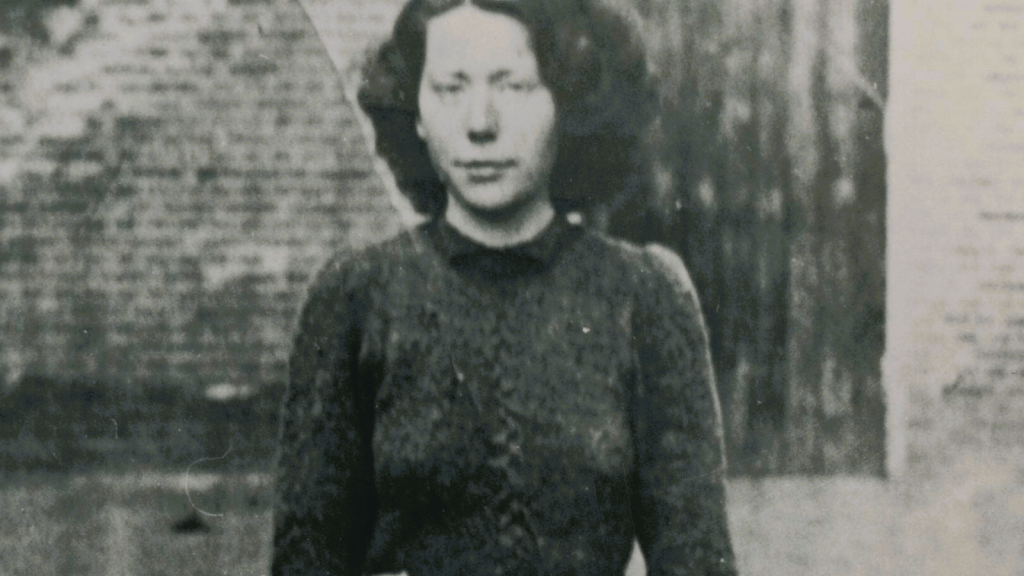
Hannie Schaft, born Jannetje Johanna Schaft on September 16, 1920, in Haarlem, Netherlands, is a renowned figure in Dutch history for her courageous role in the resistance against Nazi occupation during World War II. Her contributions to the fight against tyranny and her ultimate sacrifice have made her a symbol of resistance and courage.
Hannie was raised in an environment that valued education and social justice. Her parents, who were both educators, instilled in her the importance of standing up for one’s beliefs. This upbringing set the stage for her later involvement in the resistance. She initially studied law at the University of Amsterdam, where she witnessed the increasing persecution of Jews and other minorities. The arrest of her Jewish friends was a pivotal moment that propelled her to join the resistance.
Schaft’s activities within the resistance were both varied and dangerous. She started with minor acts of defiance, such as distributing anti-Nazi pamphlets and stealing ID cards to help Jews evade capture. Over time, her involvement deepened, and she became a member of the Raad van Verzet (Council of Resistance). In this capacity, she undertook more perilous missions, including sabotage, couriering intelligence, and assassinating key Nazi officers and collaborators.
Hannie’s striking red hair earned her the moniker “the girl with the red hair,” making her both a recognizable and iconic figure. She eventually dyed her hair black to avoid detection, but her activities had already made her one of the most wanted resistance members. Despite the constant threat of capture, she remained steadfast in her mission.
Her arrest came on March 25, 1945, just a few weeks before the war’s end. She was captured at a checkpoint while carrying resistance materials. Despite enduring severe torture, she refused to divulge any information about her comrades. On April 17, 1945, Hannie Schaft was executed by Maarten Kuiper, a mere 18 days before the Netherlands was liberated.
Maarten Kuiper was involved in the Operation Silbertanne (silver fir), a series of execution that were committed between September 1943 and September 1944 during the German occupation of the Netherlands. In 28 attacks, 45 Dutch people were killed and 11 seriously injured
After World War II, some of the members of the death squad and those responsible for giving the orders were put on trial. The commander, Henk Feldmeijer, however, had been killed on 22 January 1945, when his car was strafed by an Allied aircraft.
Maarten Kuiper and Pieter Johan Faber were executed in 1948. Hanns Albin Rauter was executed in 1949.
sources
https://www.oorlogsbronnen.nl/tijdlijn/c044ca7c-eab8-4ce3-8fc9-a550a9616dd0
https://www.oorlogsbronnen.nl/tijdlijn/c044ca7c-eab8-4ce3-8fc9-a550a9616dd0
https://www.dedokwerker.nl/fout_omstreden.html
https://databankwwo2.wordpress.com/tag/maarten-kuiper/
Donation
I am passionate about my site and I know you all like reading my blogs. I have been doing this at no cost and will continue to do so. All I ask is for a voluntary donation of $2, however if you are not in a position to do so I can fully understand, maybe next time then. Thank you. To donate click on the credit/debit card icon of the card you will use. If you want to donate more then $2 just add a higher number in the box left from the PayPal link. Many thanks.
$2.00
 History of Sorts
Leave a comment