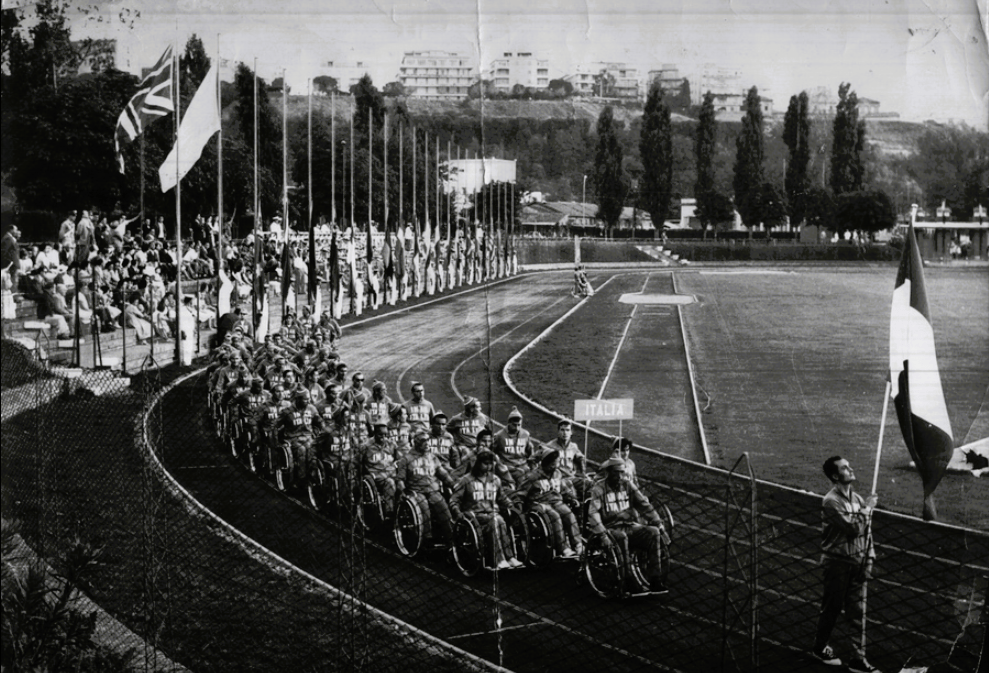
The Paralympic Games, a major international multi-sport event involving athletes with a range of disabilities, have a rich and inspiring history rooted in the aftermath of World War II. The origin of the Paralympics can be traced back to the efforts of Dr. Ludwig Guttmann, a neurologist at the Stoke Mandeville Hospital in England.
Early Beginnings: Stoke Mandeville Games
Dr. Guttmann, a Jewish refugee who fled Nazi Germany, was a pioneer in using sport as a form of rehabilitation for war veterans with spinal cord injuries. In 1944, he was appointed to establish the National Spinal Injuries Centre at Stoke Mandeville Hospital. There, he began to explore the potential of sport as a therapeutic tool, helping patients regain physical strength, confidence, and a sense of purpose.
On July 29, 1948, the same day as the opening of the London Olympic Games, Dr. Guttmann organized the first Stoke Mandeville Games for disabled athletes. This event featured 16 injured servicemen and women, all of whom competed in archery. The success of the competition led to it becoming an annual event, growing in size and scope each year.
Growth and Internationalization
By 1952, the Stoke Mandeville Games had attracted international attention. Athletes from the Netherlands joined the competition, marking the first international participation. This event is often considered the precursor to the Paralympic Games.
Throughout the 1950s and 1960s, the Stoke Mandeville Games continued to expand, incorporating athletes with various disabilities and adding more sports to the program. The growing popularity of the event highlighted the need for an international platform for athletes with disabilities to compete on a level playing field.
The Birth of the Paralympics
The first official Paralympic Games took place in Rome in 1960, immediately following the Summer Olympics. Organized under the aegis of the International Stoke Mandeville Games Federation (ISMGF), the event brought together 400 athletes from 23 countries, competing in eight sports, all of which were wheelchair-based.
The term “Paralympics” itself is derived from the Greek word “para,” meaning “beside” or “alongside,” reflecting the event’s connection to the Olympic Games. Initially, the Paralympics were only for athletes with spinal cord injuries, but over time, the event expanded to include athletes with a broader range of disabilities, including visual impairments, cerebral palsy, amputations, and intellectual disabilities.
Evolution and Global Recognition
The Paralympic Games have grown exponentially since their inception. The Winter Paralympic Games were first held in 1976 in Örnsköldsvik, Sweden, further broadening the reach and impact of the movement. The 1988 Seoul Summer Paralympics and the 1992 Winter Paralympics in Tignes-Albertville were the first to be held in the same cities and venues as the Olympic Games, solidifying the connection between the two events.
In 2001, a landmark agreement was signed between the International Paralympic Committee (IPC) and the International Olympic Committee (IOC), ensuring that the Paralympic Games would always be held in the same city as the Olympic Games, using the same facilities.
Legacy and Impact
Today, the Paralympics are one of the largest sporting events in the world, celebrated for promoting inclusion, challenging perceptions of disability, and showcasing the extraordinary abilities of athletes. The Games have not only provided a platform for disabled athletes to achieve greatness but have also played a crucial role in advancing the rights and visibility of people with disabilities globally.
The Paralympics continue to embody the spirit of determination, resilience, and excellence, fulfilling Dr. Guttmann’s vision of using sport as a powerful force for rehabilitation and social change.
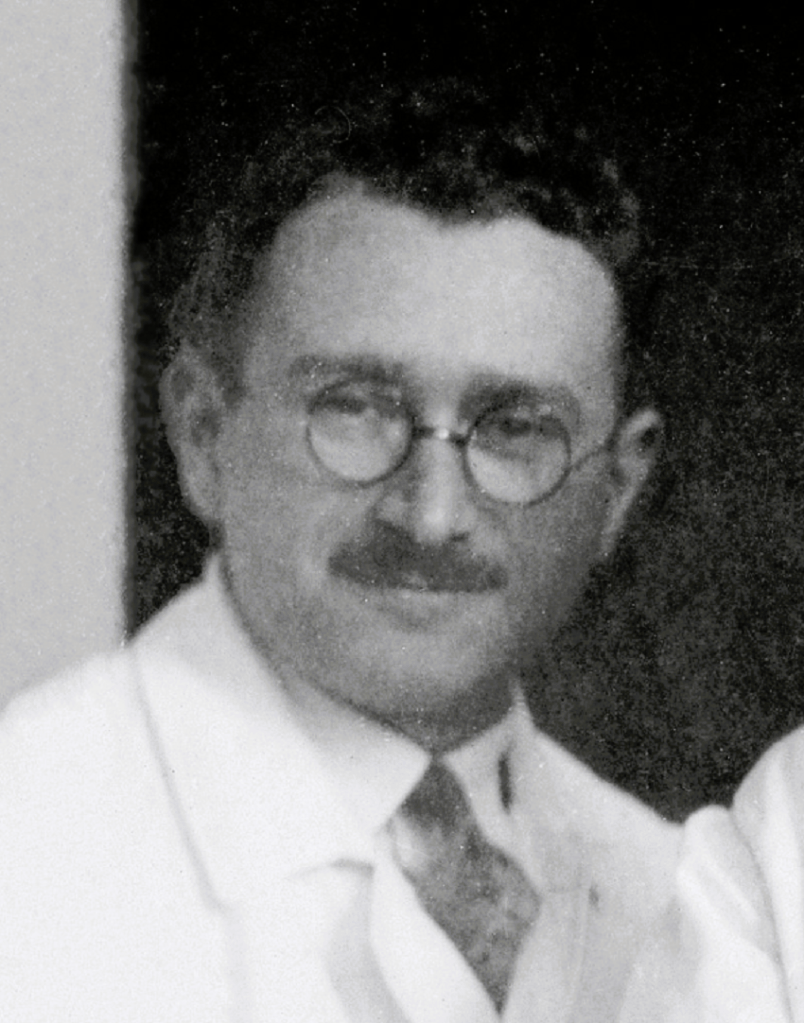
Sir Ludwig Guttmann was a pioneering neurologist whose groundbreaking work laid the foundation for the Paralympic Games and revolutionized the treatment and rehabilitation of people with spinal cord injuries. Born on July 3, 1899, in Tost, Upper Silesia (now Toszek, Poland), Guttmann’s life and career were deeply shaped by his experiences as a Jewish refugee from Nazi Germany and his unwavering commitment to using medicine to restore dignity and purpose to those with severe disabilities.
Early Life and Medical Career
Guttmann grew up in a Jewish family and showed an early interest in medicine. He studied at the University of Breslau and later at the University of Freiburg, where he specialized in neurology and neurosurgery. By the early 1930s, Guttmann had established himself as a leading expert in spinal cord injuries in Germany.
However, the rise of the Nazi regime drastically altered the course of his life. As anti-Semitic laws were enacted, Guttmann was barred from practicing medicine in public hospitals and was forced to work in a Jewish hospital in Breslau. Despite these constraints, he continued to treat patients, many of whom were Jews injured in violent pogroms like Kristallnacht.
Guttmann was assigned to work at the Breslau Jewish Hospital, where he became medical director in 1937. Following the violent attacks on Jewish people and properties during Kristallnacht on 9 November 1938, Guttmann ordered his staff to admit any patients without question. The following day, he justified his decision on a case-by-case basis with the Gestapo. Out of 64 admissions, 60 patients were saved from arrest and deportation to concentration camps.
In 1939, as the situation for Jews in Germany worsened, Guttmann, his wife, and their two children fled to England, where they were granted refuge. An opportunity for escape had come when the Nazis provided him with a visa and ordered him to travel to Portugal to treat a friend of the Portuguese dictator António de Oliveira Salazar.[ Guttmann was scheduled to return to Germany via London, when the Council for Assisting Refugee Academics (CARA) arranged for him to remain in the United Kingdom. He arrived in Oxford, England, on 14 March 1939 with his wife, Else Samuel Guttmann, and their two children: a son, Dennis, and a daughter, Eva, aged six.
Contribution to Spinal Cord Injury Treatment
In England, Guttmann’s expertise in neurology was quickly recognized, and in 1944, he was appointed to head the newly established National Spinal Injuries Centre at Stoke Mandeville Hospital in Buckinghamshire. At the time, spinal cord injuries, particularly those sustained by soldiers during World War II, were often considered a death sentence, with most patients dying from complications within a year.
Guttmann challenged the prevailing medical approach, which often involved confining patients to bed rest and minimal activity. He believed that an active rehabilitation process, including physical therapy and sports, was crucial for patients to regain their independence and self-worth. His methods emphasized holistic care, focusing not just on the physical aspects of recovery but also on psychological and social reintegration.
The Stoke Mandeville Games

To motivate his patients and provide them with a sense of purpose, Guttmann introduced sports as a key component of rehabilitation. In 1948, he organized the first Stoke Mandeville Games, a small competition for disabled war veterans, held on the same day as the opening of the London Olympic Games. The event featured just 16 participants, all competing in wheelchair archery.
The success of these games inspired Guttmann to dream bigger. He envisioned an international sports event for disabled athletes, paralleling the Olympic Games. His vision materialized over the years, as the Stoke Mandeville Games grew in size and reputation, eventually evolving into the Paralympic Games. The first official Paralympic Games were held in Rome in 1960, with 400 athletes from 23 countries.
Legacy and Honors
Ludwig Guttmann’s contributions to medicine and sport have had a lasting impact on society. His work not only transformed the care and treatment of spinal cord injuries but also changed public perceptions of disability, promoting the idea that people with disabilities could lead full, active, and productive lives.
In recognition of his work, Guttmann received numerous honors, including being knighted by Queen Elizabeth II in 1966. He continued to advocate for the rights and opportunities of disabled individuals until his death on March 18, 1980.
Impact on the Paralympic Movement
The Paralympic Games, now one of the largest international sporting events in the world, stand as a testament to Guttmann’s vision. His pioneering efforts have inspired generations of athletes and have helped to advance the global movement for disability rights and inclusion.
Guttmann’s legacy lives on in the continued growth and success of the Paralympic Games and in the ongoing work to ensure that people with disabilities are recognized and celebrated for their abilities, rather than defined by their limitations. His life is a powerful reminder of the transformative power of medicine, sport, and human determination.
Sources
https://olympics.com/en/paris-2024/the-games/olympic-paralympic-games/history-paralympic-games
https://www.paralympic.org/ipc/history
https://www.bbc.co.uk/newsround/articles/cpw85de9pqdo
Donation
Your readership is what makes my site a success, and I am truly passionate about providing you with valuable content. I have been doing this at no cost and will continue to do so. Your voluntary donation of $2 or more, if you are able, would be a significant contribution to the continuation of my work. However, I fully understand if you’re not in a position to do so. Your support, in any form, is greatly appreciated. Thank you. To donate, click on the credit/debit card icon of the card you will use. If you want to donate more than $2, just add a higher number in the box left from the PayPal link. Your generosity is greatly appreciated. Many thanks.
$2.00
 History of Sorts
Leave a comment