
At first glance the picture appears to be quite innocent. A picture of a Bavarian family. However, when you look a bit close you will recognize Heinrich Himmler, in the middle his wife Margarete, and on the left their daughter Gudrun.
Gudrun Burwitz (1929–2018) was born on August 8, 1929, Gudrun was deeply attached to her father, whom she idolized throughout her life. Even after the collapse of the Third Reich and her father’s suicide in 1945, she remained loyal to his memory and ideology.
During her childhood, Gudrun was treated as a “Nazi princess,” growing up in privilege and often accompanying her father on official business. Heinrich Himmler doted on her, and she was photographed frequently with him. In contrast to her father’s brutal legacy, Gudrun’s early life was sheltered and comfortable, largely oblivious to the atrocities her father was responsible for.
After the war, Gudrun and her mother were arrested and interrogated by Allied forces. Gudrun staunchly defended her father during these interrogations, claiming he was a good man. Her steadfast loyalty to him continued into adulthood.
As an adult, Burwitz became an active member of the post-war far-right community in Germany. She was a key figure in Stille Hilfe (“Silent Help”), an organization dedicated to aiding former SS members and other Nazis who faced prosecution for their roles in the regime’s crimes. Burwitz played a significant role in supporting these individuals, often helping them evade justice. Her commitment to neo-Nazi causes and her refusal to denounce her father or his ideology made her a controversial figure in Germany and beyond.
Gudrun Burwitz lived in Munich for much of her life, carefully maintaining a low profile despite her infamy. She was often cited as an example of how some Germans from prominent Nazi families refused to confront or renounce their past. She died on May 24, 2018, at the age of 88, having never publicly repudiated her father’s actions or the ideology of National Socialism.
Her life serves as a stark reminder of how the legacy of the Third Reich persisted in some circles long after the war, with Gudrun Burwitz representing a particularly extreme example of filial loyalty that transcended morality and justice.
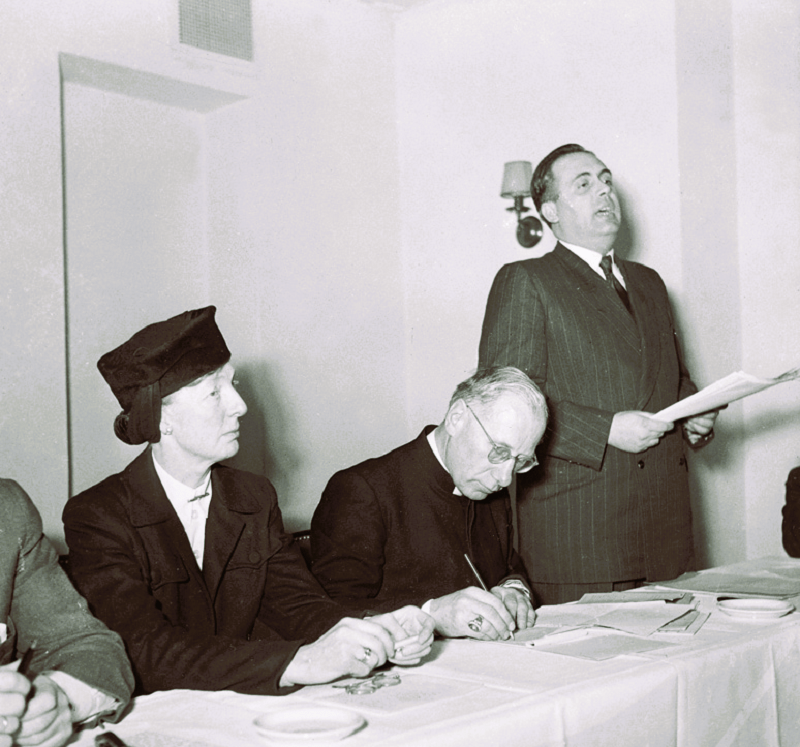
Stille Hilfe (full name: Stille Hilfe für Kriegsgefangene und Internierte, which translates to Silent Help for Prisoners of War and Interned Persons) is a shadowy organization established in post-World War II Germany. Founded in 1951, it was created to assist former SS officers, Nazi war criminals, and others connected to the Third Reich who faced prosecution or difficulties as a result of their involvement in Nazi crimes. The organization remains controversial due to its focus on aiding individuals responsible for some of the most heinous acts of the 20th century.
Origins and Objectives
Stille Hilfe was founded with the initial goal of providing legal, financial, and logistical support to former members of the Nazi regime, particularly those imprisoned or on trial for war crimes. The organization helped pay legal fees, offered moral support, and even facilitated escape routes for some former Nazis trying to evade capture. Its activities were often clandestine and operated under the radar of public scrutiny, taking advantage of sympathetic networks that still harbored loyalty to the Nazi cause.
The organization was closely connected to the far-right and neo-Nazi movements in Germany and other parts of Europe. It worked to rehabilitate the reputations of convicted war criminals, presenting them as victims of Allied vengeance rather than as perpetrators of genocide and other atrocities. Stille Hilfe also sought to provide for the families of these individuals, assisting them financially and socially.
Leadership and Key Figures
The organization attracted several high-profile figures from Nazi Germany’s elite, including Gudrun Burwitz, who played a significant role in its activities. Burwitz, as one of the more prominent figures, symbolized the deep connections between the organization and the legacy of the Third Reich.
Another key figure in Stille Hilfe’s early days was Helene Elisabeth, Princess von Isenburg, who was instrumental in establishing the organization. She had strong nationalist views and, after the war, worked tirelessly to provide aid and comfort to former SS members.
Activities and Impact
Stille Hilfe primarily focused on the following activities:
- Legal Aid: The organization provided legal defense for former SS officers and Nazi collaborators, some of whom were on trial for war crimes. It raised funds to cover legal fees and worked to secure their release from prison.
- Financial Support: It offered financial assistance to the families of convicted war criminals and helped reintegrate them into post-war society.
- Moral and Social Support: Stille Hilfe organized networks to provide social and moral support to former Nazis and their families. This included personal visits, letters, and other forms of communication to maintain a sense of community among those who shared a common background.
- Evading Justice: The organization was also involved in helping Nazi criminals avoid capture or prosecution, using secretive networks to facilitate their escape to countries like Argentina or Spain, which were known for harboring Nazis after the war.
Controversy and Public Perception
Stille Hilfe has been the subject of considerable controversy and condemnation, particularly because of its unrepentant attitude toward the crimes of the Nazi regime. Critics argue that the organization helps to perpetuate neo-Nazi ideologies and offers tacit approval of the atrocities committed during World War II. Its activities have been seen as an affront to the victims of the Holocaust and other war crimes, as it continues to assist those responsible for these horrors.
Despite these criticisms, Stille Hilfe has managed to persist in various forms, often operating in secret and under different names to avoid scrutiny. While it has diminished in influence over time, the organization’s existence highlights the lingering legacies of Nazism and the challenges of dealing with historical memory in Germany and elsewhere.
Current Status
In recent years, Stille Hilfe has kept a low profile, partly due to increased awareness and investigation into its activities. It is believed to be much smaller today than during its peak, but it still exists as a symbol of unresolved issues surrounding the legacy of Nazism. The organization serves as a reminder that while Nazi Germany was defeated militarily, its ideological remnants continued to find support in some corners of post-war Europe.
The persistence of Stille Hilfe reflects the complexities of de-Nazification in Germany and the broader issues of dealing with historical guilt, justice, and reconciliation in the aftermath of World War II.
Sources
https://www.nsdoku.de/en/lexikon/artikel/isenburg-helene-von-386
https://www.nsdoku.de/lexikon/artikel/stille-hilfe-809
https://antifainfoblatt.de/aib70/stille-hilfe
https://www.bbc.com/news/world-europe-44661322
Donation
Your readership is what makes my site a success, and I am truly passionate about providing you with valuable content. I have been doing this at no cost and will continue to do so. Your voluntary donation of $2 or more, if you are able, would be a significant contribution to the continuation of my work. However, I fully understand if you’re not in a position to do so. Your support, in any form, is greatly appreciated. Thank you. To donate, click on the credit/debit card icon of the card you will use. If you want to donate more than $2, just add a higher number in the box left from the PayPal link. Your generosity is greatly appreciated. Many thanks.
$2.00
 History of Sorts
Leave a comment