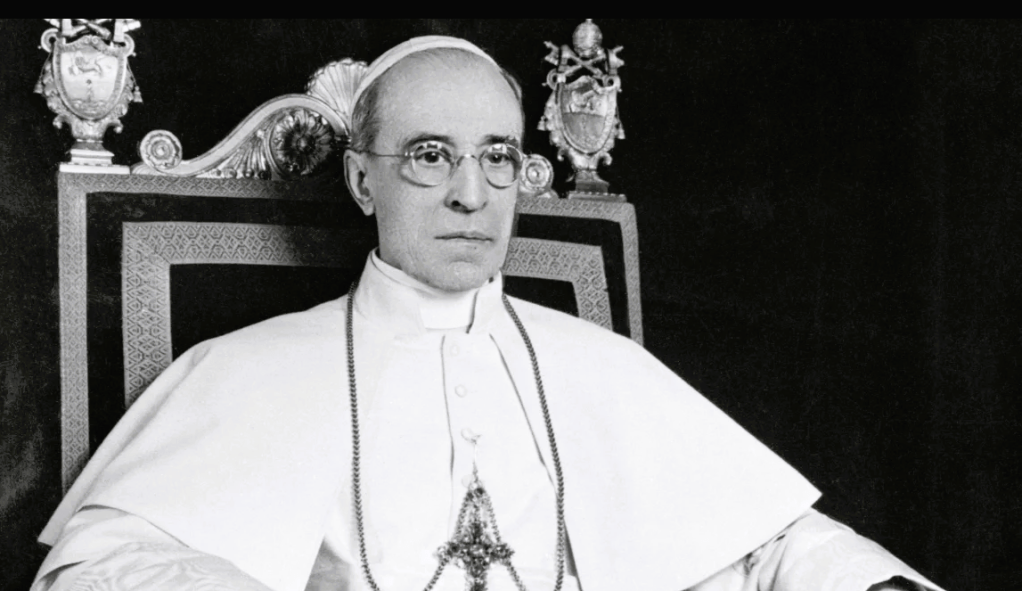
The role of the Catholic Church has often been questioned and criticized, and to an extent, rightfully so. Pope Pius XII, sometimes derided as “Hitler’s Pope” because of his reluctance to condemn Nazi war crimes, was allegedly trying to stir up German agitators and convince them to strike down the Führer from within.
Historian Mark Riebling claims that Pius’s apparent silence on Hitler’s atrocities against Jews, minorities, and even members of his own church was, in fact, a cover. At the same time, he tried to help members of the German resistance.
The story of the Pope trying to kill Hitler is an intriguing and somewhat mythic episode related to the covert resistance efforts of the Catholic Church during World War II, particularly involving Pope Pius XII. Though there is no solid evidence that any pope ever directly attempted to kill Adolf Hitler, several historical events suggest that the Vatican, under Pope Pius XII, may have had involvement in or supported various efforts to resist the Nazi regime, including plots that involved assassinating Hitler.
The claim that “the Pope tried to kill Hitler” is a dramatic and captivating assertion, one that reflects the complexity of the Vatican’s role during World War II. While this statement is an exaggeration, it taps into a fascinating intersection of religion, diplomacy, and clandestine resistance to Adolf Hitler’s Nazi regime. Pope Pius XII, the head of the Roman Catholic Church during the war, has been both criticized for his apparent silence and praised for his behind-the-scenes efforts to aid victims of Nazi persecution. Though there is no direct evidence that Pope Pius XII personally attempted or ordered Hitler’s assassination, it is clear that the Vatican engaged with and may have supported elements within the German resistance who sought to remove the Nazi dictator. This essay explores the historical context, the Vatican’s clandestine actions, and the enduring myths surrounding the Pope’s potential involvement in plots to kill Hitler.
The Vatican’s Diplomatic Tightrope
Pope Pius XII, born Eugenio Pacelli, became pope in 1939, just as Europe was about to plunge into the horrors of World War II. The new pope faced an extraordinary challenge: leading the Catholic Church while navigating the dangers of Nazi Germany’s rise to power, the spread of fascism, and the outbreak of war. The Vatican, as a sovereign state, was officially neutral in the conflict, which allowed it to function as a potential intermediary between warring powers. This neutrality, however, came at a price. Pius XII was criticized, particularly in the post-war period, for not speaking out more forcefully against Hitler and the Holocaust.
However, recent scholarship suggests that the pope’s public silence may have been a deliberate strategy to protect the Church and prevent worse persecution of Catholics in Nazi-controlled Europe. Behind the scenes, Pius XII was more active than his critics often admit. The Vatican was engaged in diplomatic efforts, attempting to broker peace and working to assist Jews and others targeted by the Nazi regime. It was also involved in secret discussions with German resistance figures who sought to overthrow Hitler.
German Resistance and the Catholic Church
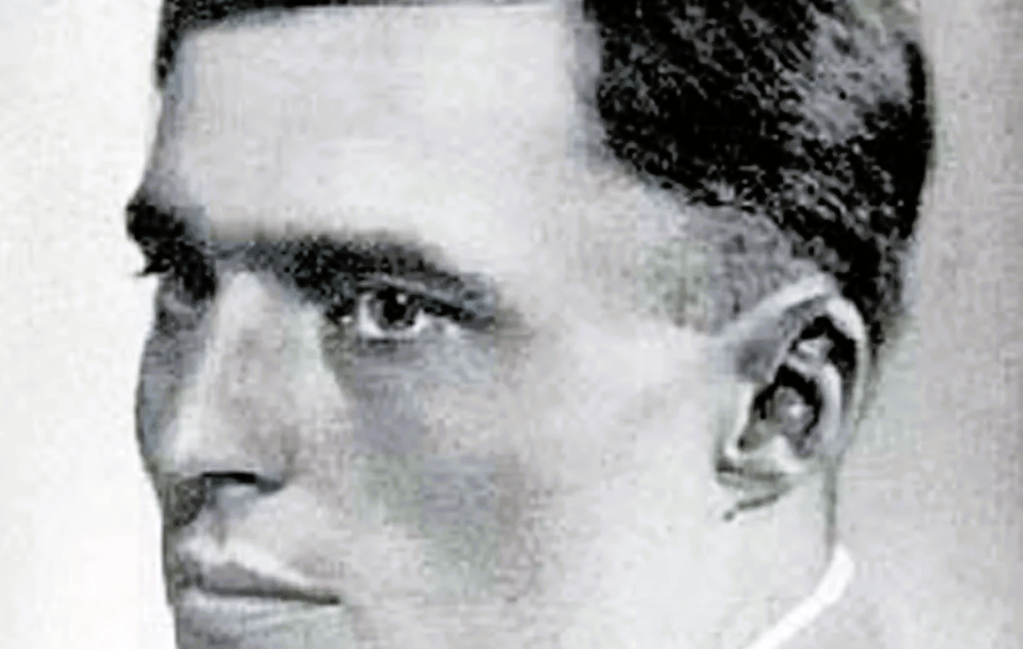
One of the most intriguing aspects of Pope Pius XII’s wartime activities is his connection to the German resistance movement. A number of high-ranking German officers, including Claus von Stauffenberg, the key figure in the July 20, 1944 assassination attempt on Hitler, were Catholics who harbored profound moral objections to Nazi policies. Stauffenberg and his co-conspirators, who aimed to kill Hitler and establish a government that could negotiate peace with the Allies, were part of a broader German resistance network that included many devout Christians.
The role of the Catholic Church in Germany during this period was fraught with danger. On the one hand, the Nazi regime sought to co-opt or neutralize the Church. On the other hand, many Catholic priests and bishops were openly critical of Nazi ideology, particularly its treatment of Jews and the disabled. Some members of the clergy, including Bishop Clemens von Galen, became outspoken critics of Nazi policies. In contrast, others worked covertly to oppose the regime.
The Vatican’s Involvement in Anti-Nazi Plots
While the Pope himself did not directly participate in any assassination plots, the Vatican was in contact with members of the German military and diplomatic corps who sought to remove Hitler from power. One of the most notable figures in this regard was Josef Müller, a Catholic lawyer and member of the German resistance who acted as a liaison between the conspirators and the Vatican. Müller’s role was crucial in establishing secret communications between anti-Nazi factions within Germany and Allied powers, including the Vatican’s diplomatic channels.
In 1939 and 1940, Müller, on behalf of the German resistance, approached the Vatican to seek the pope’s support in negotiations with the British government. The resistance hoped to secure a peace agreement with the Allies once Hitler was removed from power. These negotiations were delicate, and though they ultimately failed, they demonstrated the Vatican’s willingness to engage with individuals and groups plotting to overthrow Hitler. Pope Pius XII, while careful to maintain plausible deniability, seemed to encourage these contacts, suggesting a tacit approval of efforts to depose the dictator.
The July 20, 1944, plot to assassinate Hitler, also known as the “Valkyrie” plot, was the most significant and nearly successful attempt to kill the Führer. Claus von Stauffenberg and his co-conspirators planted a bomb in Hitler’s military headquarters. However, the attempt failed due to a series of mishaps. Although it is unclear to what extent the Vatican was aware of the plot, it is plausible that Pope Pius XII knew about the resistance movement’s intentions and offered moral support. After the plot’s failure, many of the conspirators, including several Catholics, were executed.
Myth and Reality: The Legacy of Pope Pius XII
The question of whether “the Pope tried to kill Hitler” blends fact with legend. While there is no definitive proof that Pope Pius XII was directly involved in any assassination attempt on Hitler, his Vatican did maintain connections with key figures in the German resistance. These individuals sought to overthrow the Nazi regime, and the Vatican’s engagement with them suggests at least a passive endorsement of their efforts. The lack of direct action from Pius XII is not surprising, given his precarious position as the leader of a neutral religious state with global responsibilities. Any overt action could have risked the destruction of the Church’s influence in Europe or endangered Catholic lives.
The legacy of Pope Pius XII remains contentious. For decades, critics have accused him of complicity through silence, especially regarding the Holocaust. His defenders argue that his diplomatic and covert actions were designed to save lives and oppose the Nazi regime in ways that were not always visible to the public. The truth likely lies somewhere in between: Pius XII was a cautious leader who chose discretion over confrontation, but he did not stand entirely idle in the face of evil.
The narrative that “the Pope tried to kill Hitler” is more myth than fact, and it reflects the actual and complicated relationship between the Vatican and the Nazi regime during World War II. While Pope Pius XII did not personally engage in assassination attempts, his Vatican was involved in secretive resistance efforts that sought to end Hitler’s reign. Through diplomatic channels and covert support, the Pope played a subtle yet significant role in the more considerable effort to resist Nazi tyranny. His involvement in these efforts, though indirect, reveals the difficult choices the Vatican faced in a world at war, walking the line between moral opposition and pragmatic diplomacy.
Sources
https://www.jstor.org/stable/26497100
https://www.npr.org/2007/06/17/11096772/behind-a-nazi-plot-to-seize-the-pope
https://cruxnow.com/interviews/2016/06/pius-xii-active-conspirator-three-anti-hitler-plots
https://www.ncregister.com/features/pius-xii-wwii-discussed-anew-at-rome-conference
https://www.timesofisrael.com/pope-pius-xii-was-no-saint-the-vatican-shouldnt-make-him-one/
Donation
Your readership is what makes my site a success, and I am truly passionate about providing you with valuable content. I have been doing this at no cost and will continue to do so. Your voluntary donation of $2 or more, if you are able, would be a significant contribution to the continuation of my work. However, I fully understand if you’re not in a position to do so. Your support, in any form, is greatly appreciated. Thank you. To donate, click on the credit/debit card icon of the card you will use. If you want to donate more than $2, just add a higher number in the box left from the PayPal link. Your generosity is greatly appreciated. Many thanks.
$2.00
 History of Sorts
Leave a comment