Fortuna ’54, founded in 1954 in the city of Geleen, played a pioneering role in the history of Dutch football. The club, formed during a time when professionalism in Dutch football was still controversial, became one of the country’s first professional teams. Fortuna ’54 not only helped lay the groundwork for the development of professional football in the Netherlands but also left an indelible mark on Dutch football history before its eventual merger in 1968 to form Fortuna Sittard.
Early Foundations and Rise to Prominence
In the early 1950s, Dutch football was largely amateur, despite the sport’s growing popularity across Europe. The Royal Dutch Football Association (KNVB) was staunchly against the idea of professionalism, believing that football should remain a sport for enthusiasts rather than paid athletes. However, the rising global influence of professional leagues, particularly in neighboring countries like Germany and Belgium, prompted a group of progressive football enthusiasts in the Netherlands to challenge this model.
Fortuna ’54 was born out of this desire for professionalization. The club was established in Geleen, Limburg, an industrial region in the southern Netherlands. The club’s founders had a clear vision: to build a competitive, professional team that could draw talent not only from within the Netherlands but also from other countries. Backed by local businesses and supporters, Fortuna ’54 became one of the first clubs to break away from the amateur system, spearheading the movement for paid footballers.
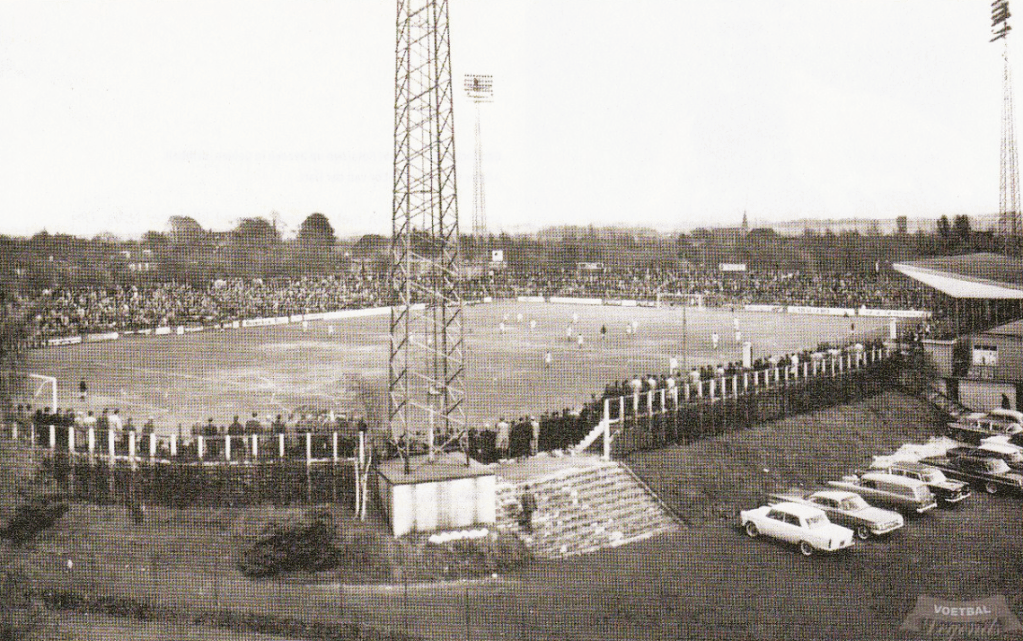
Role in the Introduction of Professional Football
The creation of Fortuna ’54 coincided with a broader push to professionalize Dutch football, led by a small number of clubs in the southern part of the country. In 1954, Fortuna ’54, along with other clubs such as Sportclub Enschede, Rapid JC, and EBOH, helped form the Nederlands Beroepsvoetbal Bond (NBVB), a rival organization to the KNVB. The NBVB introduced a professional league, which attracted significant attention and forced the KNVB to reconsider its stance on professionalism.
Although the NBVB was short-lived, it played a crucial role in pushing the KNVB to embrace professionalism. By the end of 1954, the KNVB and NBVB merged, creating a unified professional football system in the Netherlands. Fortuna ’54’s role in this transition was pivotal, as it helped challenge the amateur-only status quo and paved the way for the Eredivisie, which would become the Netherlands’ premier football league.
Sporting Success
Fortuna ’54’s early years were marked by significant success on the field. The club quickly established itself as one of the leading teams in Dutch football during the mid-to-late 1950s. Their crowning achievement came in 1957 when they won the KNVB Cup (the Dutch Cup). This victory solidified Fortuna ’54’s reputation as a competitive force in Dutch football and demonstrated the potential of professional clubs in the Netherlands.
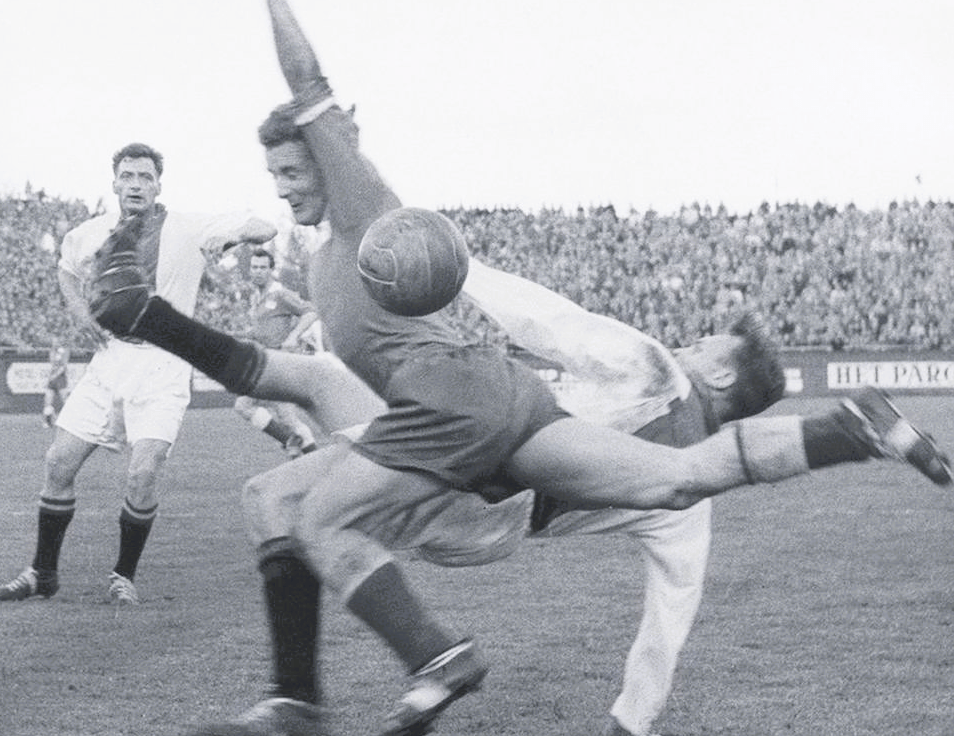
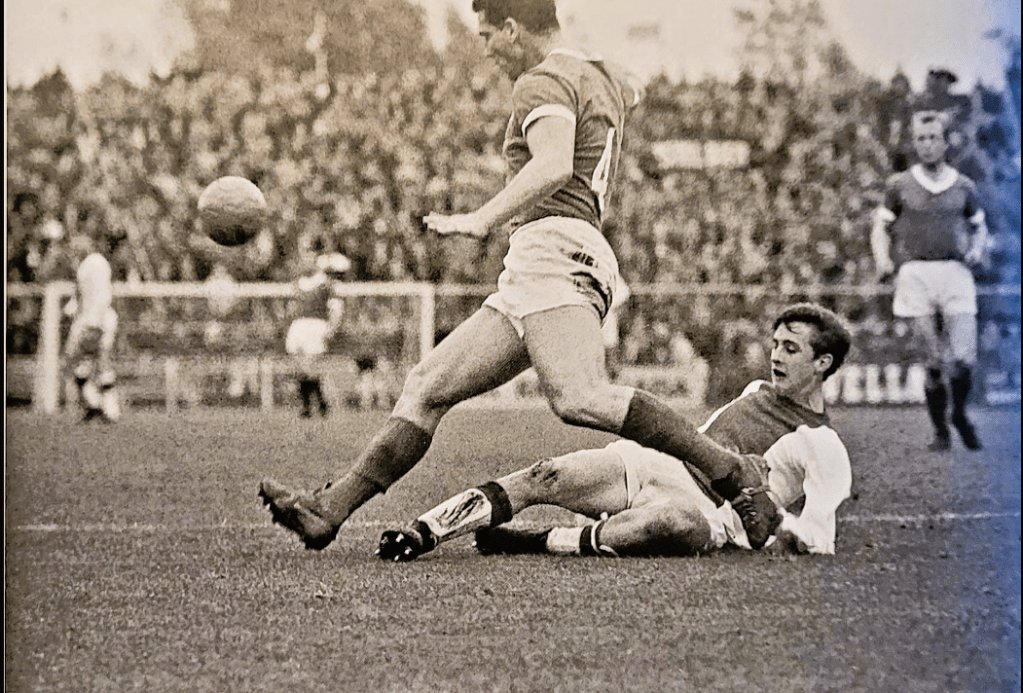
Fortuna ’54 was also known for attracting high-profile players, both domestically and internationally. Notable Dutch footballers such as Cor van der Hart, Frans de Munck, and Bram Appel played for the club, adding star power to the team. These players had experience abroad, particularly in France, where professional football was already well-established, and they brought a level of sophistication and skill to Fortuna ’54 that helped raise the club’s profile.
The club’s ambition was not limited to domestic success. Fortuna ’54 regularly played against foreign clubs in exhibition matches, showcasing their talents on an international stage. These matches helped increase the visibility of Dutch football abroad and further emphasized the need for professional football in the country.

Merger and Legacy
Despite its early successes, Fortuna ’54 faced financial difficulties in the 1960s, a common problem for many smaller professional clubs during this era. The costs of running a professional team, combined with the competition from larger clubs in bigger cities, made it increasingly difficult for Fortuna ’54 to sustain itself at the top level of Dutch football.
In 1968, Fortuna ’54 merged with another Limburg club, Sittardia, to form Fortuna Sittard. The merger marked the end of Fortuna ’54 as an independent entity, but the newly formed club carried forward the legacy of both teams. Fortuna Sittard would go on to have a respectable presence in Dutch football, even achieving success in the Eredivisie and reaching the Dutch Cup final in later years.
Though Fortuna ’54 no longer exists as a standalone club, its impact on Dutch football is undeniable. The club’s role in introducing professionalism to Dutch football laid the foundation for the modern game in the Netherlands. Fortuna ’54’s commitment to professional standards, competitive ambition, and international outreach helped transform Dutch football from a largely amateur sport into one of Europe’s leading footballing nations.
Fortuna ’54’s place in Dutch football history is one of innovation, ambition, and progress. As one of the first professional clubs in the Netherlands, it played a crucial role in the development of the professional game, pushing the boundaries of what football could be in the country. Although the club was ultimately short-lived, its influence endures in the form of Fortuna Sittard and the professional structure of Dutch football today. The legacy of Fortuna ’54 is not just in its trophy cabinet but in its lasting impact on the sport in the Netherlands.
sources
https://www.transfermarkt.co.uk/fortuna-54-geleen/startseite/verein/38151
 History of Sorts
Leave a comment