
In 1978, Rodney Alcala appeared on The Dating Game. In this popular TV show where three eligible bachelors competed for a date with a bachelorette. The show was full of innuendo, and the host introduced Alcala as a “successful photographer who got his start when his father found him in the darkroom at age 13, fully developed.”
Throughout the show, Alcala enthusiastically responded to the bachelorette’s suggestive questions, comparing himself to a banana, saying nighttime was when he “really gets good,” and even playing the part of a “dirty old man.” He was charming enough that the bachelorette, Cheryl Bradshaw, chose him for a date.
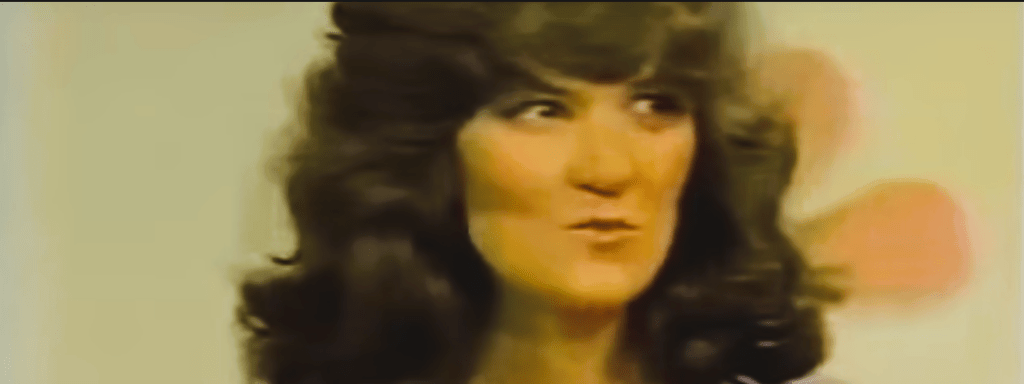
But what Bradshaw—and the audience—didn’t know was that Alcala was a serial killer in the midst of a deadly spree. By then, he had already murdered at least two women in Southern California. He had previously served 34 months in prison for the brutal rape and beating of an 8-year-old girl. He had even been on the FBI’s Most Wanted list.
Bradshaw selected Alcala because he was tall, handsome, and charming. Still, the show’s producers had failed to conduct a background check.
Bradshaw, relying on a sharp sense of intuition, narrowly escaped, becoming one of Alcala’s victims. After the show, she spoke with him backstage. Although Alcala offered her what he described as a “date she’d never forget,” Bradshaw felt something was wrong.
“I started to feel ill,” Bradshaw told the Sydney Telegraph in 2012. “He was acting really creepy. I turned down his offer. I didn’t want to see him again.”

Rodney Alcala was born in San Antonio, Texas, in 1943. When he was eight, his father moved the family to Mexico, only to abandon them three years later. Alcala’s mother then relocated the family to suburban Los Angeles.
At 17, Alcala joined the Army as a clerk, but he was medically discharged following a nervous breakdown. Despite his struggles, he went on to attend UCLA, boasting an IQ of 135. However, his life soon took a dark turn.
In 1968, Alcala committed his first known crime. A motorist in Los Angeles witnessed him luring 8-year-old Tali Shapiro into his Hollywood apartment. Shapiro was found alive but had been brutally raped and beaten with a steel bar. Alcala, however, had fled before the police arrived. To evade arrest, he fled to New York. He enrolled at NYU’s film school under the alias “John Berger,” studying under famed director Roman Polanski.
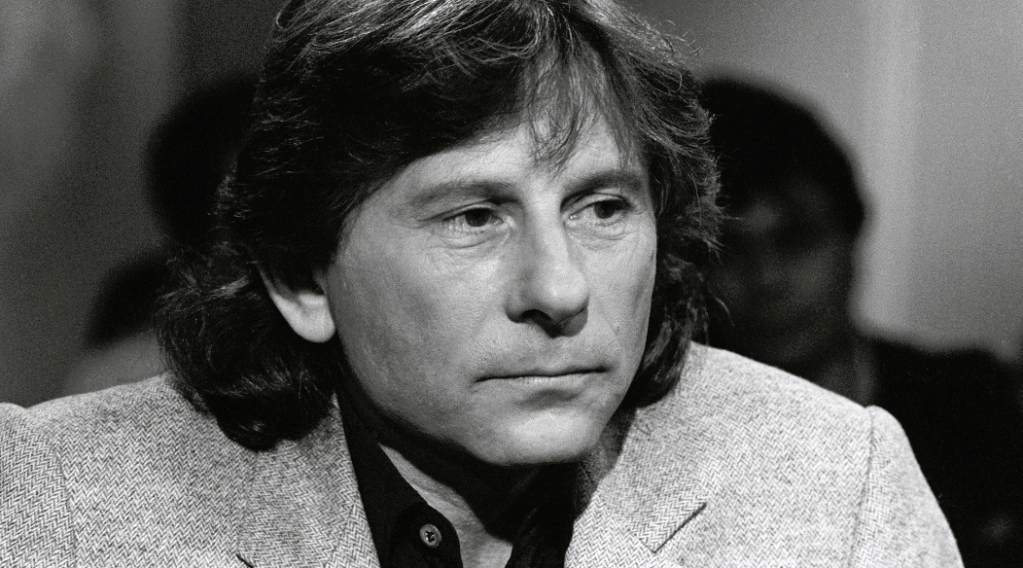
In 1971, Alcala also took a counseling job at a New Hampshire arts camp for children, using a slightly different alias, “John Burger.” That summer, two children at the camp recognized Alcala from an FBI Most Wanted poster at the local post office and alerted camp authorities. Alcala was quickly arrested, but with Shapiro’s family having moved to Mexico, prosecutors couldn’t convict him of rape and attempted murder without her testimony. Instead, Alcala pled guilty to a lesser charge of assault and served 34 months in prison.
In June 1971, just months after his arrest, Cornelia Michel Crilley, a 23-year-old flight attendant for Trans World Airlines, was found raped and strangled in her Manhattan apartment. Her murder would go unsolved for decades until it was linked to Alcala in 2011.
Even decades later, Alcala’s victims’ families are haunted by his crimes. In 1979, Alcala spotted 12-year-old Robin Samsoe riding her bike to ballet class. When she didn’t return home that evening, her mother, Marianne Connelly, immediately called the police. Still, they told her she had to wait 24 hours to file a missing persons report. By the next morning, Samsoe’s disappearance was officially declared a kidnapping.
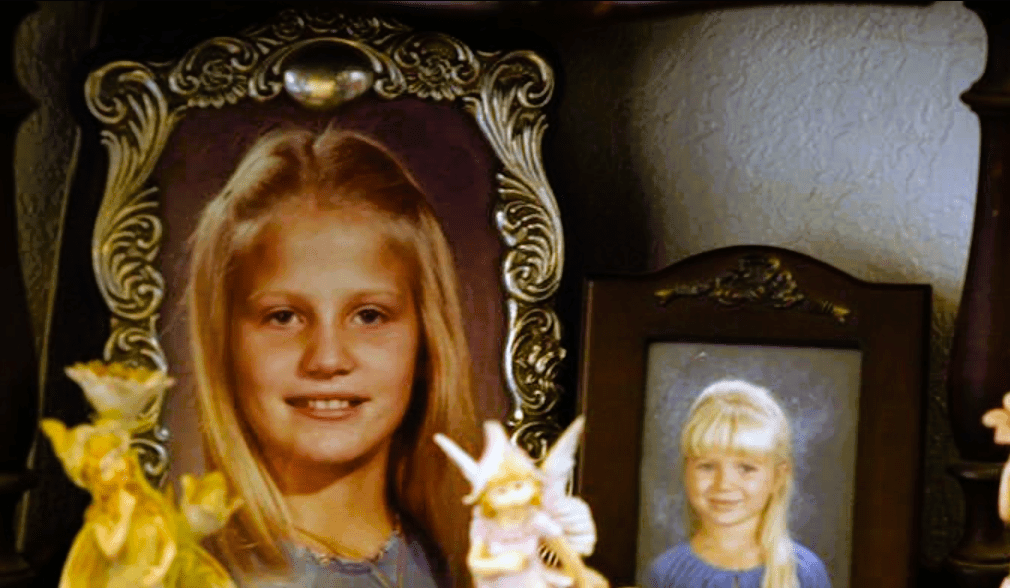
Twelve days later, Samsoe’s decomposed remains were found, scavenged by animals. Connelly vividly recalls the moment police informed her of the discovery. “The sergeant said, ‘We found Robin,’” she remembered. “I grabbed my purse and said, ‘Okay, let’s go.’ He looked at me and said, ‘Where do you think you’re going?’ I said, ‘To go see Robin.’ That’s when he told me, ‘There’s no body to identify—it took us three days to identify her remains.’”
This case finally ended Alcala’s deadly spree.
Alcala faced three trials and numerous appeals. In his first two trials, he was charged with the murder of Robin Samsoe. Her earrings, discovered in a Seattle storage locker rented by Alcala, were vital evidence. Despite his conviction and death sentence, the verdict was overturned by the California Supreme Court because jurors had been improperly informed about Alcala’s prior sex crimes.
While preparing for his third trial, advances in DNA technology linked Alcala to the murders of two women in Los Angeles. In addition, a pair of earrings belonging to another victim was found in his storage locker. DNA evidence ultimately led to his indictment for four additional murders: Jill Barcomb (18), Georgia Wixted (27), Charlotte Lamb (31), and Jill Parenteau (21).
At his final trial, Alcala chose to represent himself, echoing the self-representation of other narcissistic killers like Ted Bundy. He interrogated himself for hours, alternating between referring to himself as “Mr. Alcala” and answering questions in a different voice. Despite his theatrical attempts, the jurors were not convinced, and Alcala was found guilty of five counts of first-degree murder.
During his closing argument, Alcala bizarrely played the Arlo Guthrie song “Alice’s Restaurant.”
In March 2010, Alcala was sentenced to death for the third time. However, as of yet, his death sentence has not been carried out. He died of natural causes at 1:43 a.m. on July 24, 2021, at a hospital in Kings County, California.
Sources
https://www.cdcr.ca.gov/news/2021/07/24/condemned-inmate-rodney-alcala-dies-of-natural-causes
https://time.com/6312191/woman-of-the-hour-true-story/
https://www.bbc.com/news/articles/c5yj3neknp9o
https://www.biography.com/crime/rodney-alcala
https://en.wikipedia.org/wiki/Rodney_Alcala
Donation
Your readership is what makes my site a success, and I am truly passionate about providing you with valuable content. I have been doing this at no cost and will continue to do so. Your voluntary donation of $2 or more, if you are able, would be a significant contribution to the continuation of my work. However, I fully understand if you’re not in a position to do so. Your support, in any form, is greatly appreciated. Thank you. To donate, click on the credit/debit card icon of the card you will use. If you want to donate more than $2, just add a higher number in the box left from the PayPal link. Your generosity is greatly appreciated. Many thanks.
$2.00
 History of Sorts
Leave a comment