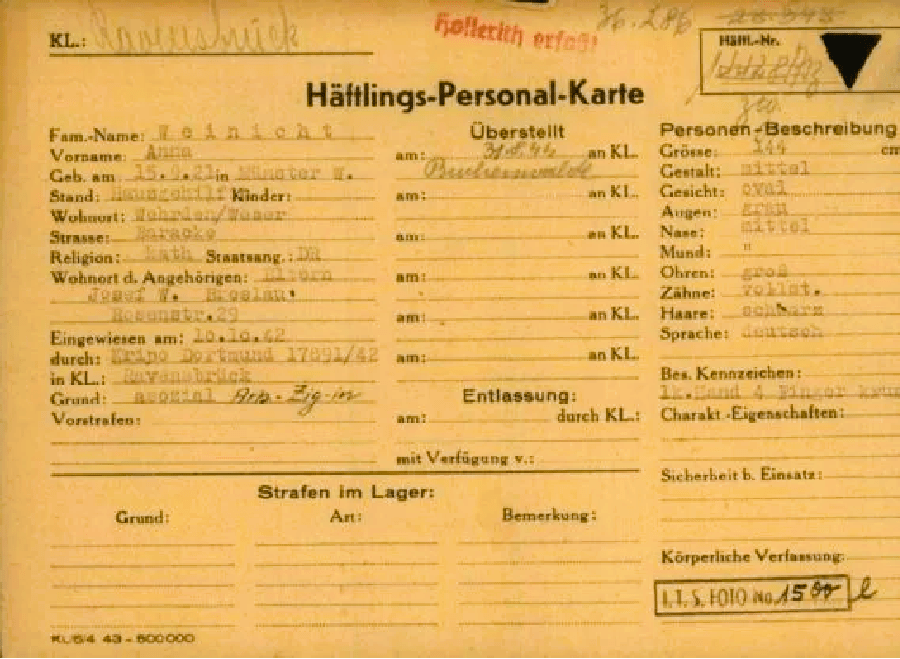
A Forgotten Group of Victims: ‘Asocials’ in World War II
The Nazis used black triangle badges to label prisoners they considered “unfit” for society. These people were often called “asocial” or “work-shy.” Groups included:
- Alcoholics and drug addicts
- Mentally ill people and those with disabilities
- Vagabonds, homeless, and beggars
- Prostitutes
- Pacifists and draft resisters
- Roma and Sinti (Gypsies)
Pacifists and Draft Resisters
Men who refused to fight in the war or resisted the draft were seen as dangerous and could be sentenced to death. Franz Jägerstätter was one such man who refused to fight for the Nazis and was executed in 1943. He is now honored as a symbol of those who object to war.
Prostitutes
Prostitutes were often imprisoned and seen as “hereditarily diseased.” Many faced forced sterilizationm, and in camps, some were forced into prostitution.
Alcoholics and Drug Addicts
Under the “Law Against Dangerous Habitual Criminals,” alcoholics were arrested and sent to camps. At the same time, drug addicts were generally left alone, as they were seen as curable.
Vagabonds and Beggars
Under Nazi rule, “vagabonds” were also sent to camps as the old law against them became stricter.
Mentally Ill or Disabled People
The Nazis passed a law in 1933 allowing forced sterilization of those considered to have hereditary diseases. Between 1934 and 1939, about 400,000 Germans were sterilized. From 1939 to 1945, the Nazis expanded this to people in occupied countries.
Roma and Sinti
Men from Roma and Sinti communities later wore brown badges, Meanwhile, women continued to wear black triangles with a “Z” (for Zigeuner, meaning Gypsy). Around 6,000 “asocial” prisoners were killed through forced labor in camps between 1942-43.
For a long time, they were a forgotten group of victims: people labeled by the Nazis as “asocial” and deported to concentration camps. In the camps, these people were recognizable by a black triangle on their clothing.
Starting in Germany in 1933 and in the Netherlands from 1940, “asocials” were arrested and sent to camps. This group included homeless people, petty criminals, sex workers, and addicts, says Rense Havinga, curator of the Freedom Museum in Groesbeek, the Netherlands. “But it also included people with jobs who, for a single minor offense, were sent directly to a concentration camp. No further police investigation or court intervention was involved.”
‘Eugenic Persecution’
Havinga and his team decided to research these victims and the reasons for their arrests. “We knew the group existed, but little was known about them in the Netherlands,” Havinga explains. “This is the first Dutch study of those persecuted as ‘asocial,’ establishing a foundation for understanding what happened. Other researchers can build on this.”
Compared to Germany, there is much administrative documentation from that time available in the Netherlands. This has allowed Havinga and his team to discover that approximately 2,700 people were deported as asocial beings in the Netherlands, while in Germany, it involved an estimated 40,000 to 60,000 people. This is an estimate, as much of the German documentation was destroyed. “In Germany, these people were persecuted because they were seen as not contributing to a strong German people. Essentially, it was eugenic persecution, aimed at removing the so-called ‘inferior’ to improve the genetic composition of the population,” Havinga says. “The Nazis did not want these people to reproduce. The occupiers did not attempt to genetically improve the Dutch population; that was not their priority.”
Still, ‘eugenic persecution’ also took place in the Netherlands. Research revealed that in Limburg and North Brabant, persecution often stemmed from alleged inferiority. In the rest of the Netherlands, people seem to have been detained as asocial mainly out of convenience. “It’s hard to say why this was done, but the logical explanation is that this way of working required little paperwork and didn’t involve a judge,” Havinga explains. “It was, in effect, an easy way to get rid of people.”
The museum exhibition tells the stories of individuals in this group, including Stef Calis, Aart Jan den Outer, Gerrit Nieuwkamp, and Nicolaas Dongelmans. All four were sent to concentration camps during World War II and died there.
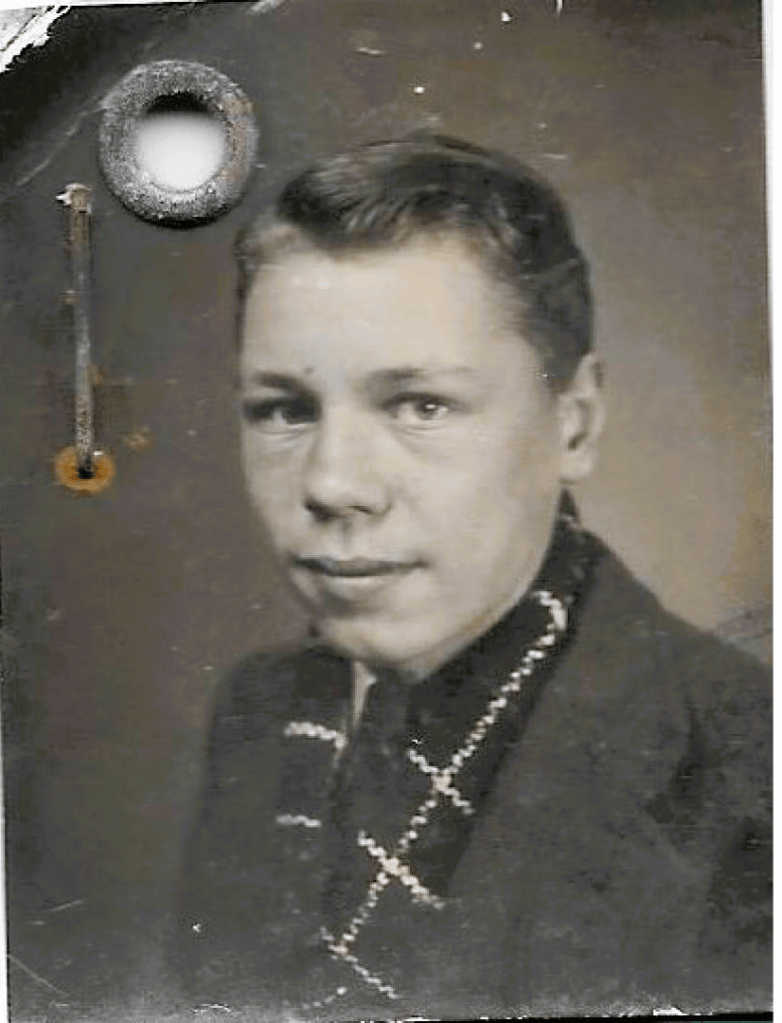
Stef Calis (July 2, 1924 – April 13, 1943)
Stefanus Johannes Calis from Laren was a mason but worked in a carpet factory during the war. In late 1942, he was accused of stealing wool. Shortly after, he was arrested, taken to the Amsterdam police station, and sent directly to Camp Amersfoort without trial. He was then sent to Camp Vught and eventually ended up in the forced labor camp Watenstedt near Braunschweig, a subcamp of the notorious Neuengamme concentration camp. Here, he likely worked in the war factories of the Hermann Göring Works under appalling conditions with scarce food. Stef died at 18 years old in Watenstedt.
Aart Jan den Outer (July 18, 1918 – February 11, 1945)
Aart Jan den Outer was born on July 18, 1918, in Rotterdam. He grew up in a family with seven children. A ship’s cook by profession, he went into hiding to avoid the forced labor deployment (Arbeitseinsatz). However, on June 1, 1944, he was arrested during a tram check. He was held for twelve days in the Rotterdam detention center before being deported to Camp Amersfoort. By late June, he was forced to work in the Messerschmitt factory in Augsburg.
From August 10 to August 30, he was held in the Dachau concentration camp. He was later assigned to a hospital at a labor camp in Welzheim, near Stuttgart. Severely emaciated and given very little food, on February 5, 1945, he was caught taking potato peels from a trash can, reported, and arrested. On February 11, he died in a police cell after four or five days without food and mistreatment.
Gerrit Nieuwkamp (March 29, 1917 – January 30, 1943)

Gerrit Nieuwkamp from Amsterdam was a clerk and began playing in the Ajax first team in July 1942. In the 1942/1943 national championship, Ajax won 4–2 against ‘t Gooi, with two goals from Gerrit. This was the only major match he played for Ajax. On September 29, 1942, Gerrit was accused of embezzling ration coupons and arrested.
By mid-November of the same year, he was placed in Camp Amersfoort with the label “asocial,” without judicial intervention. On January 18, 1943, Gerrit arrived at the newly opened Camp Vught, where he died due to the harsh conditions on January 30, 1943, at the age of 25.
Nicolaas Dongelmans (January 4, 1913 – February 17, 1943)
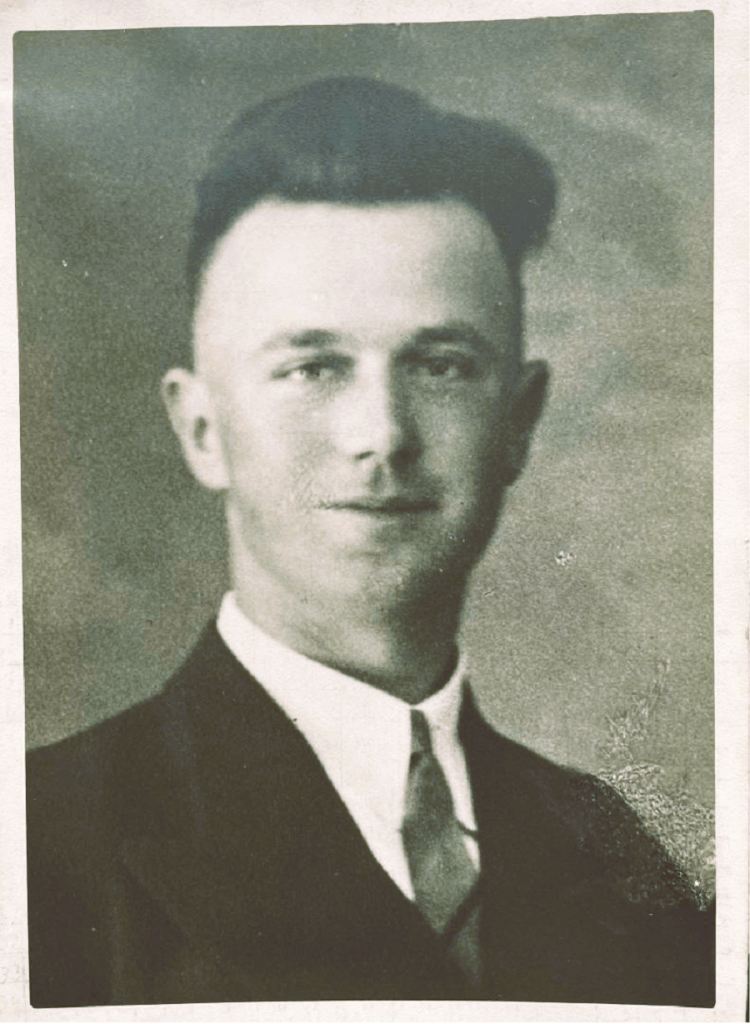
Nicolaas Dongelmans from Alkemade was an agricultural laborer, married, and the father of four. In late 1942, he was arrested for slaughtering an animal at home—a common practice before the war but prohibited during the occupation. From Camp Amersfoort, Nico was transferred to the newly opened Camp Vught, where there was little drinking water, food, and medical care.
The prisoners became weakened and sick. Nico wrote to his wife that he was managing, but asked his brother-in-law to take care of his family if he did not survive. Nico died on February 17, 1943.
sources
https://libapp.shadygrove.umd.edu/omeka/exhibits/show/the-era-of-the-holocaust/asocial-prisoners
https://www.auschwitz.org/en/history/prisoner-classification/system-of-triangles/
https://en.wikipedia.org/wiki/Black_triangle_(badge)
https://www.hmd.org.uk/learn-about-the-holocaust-and-genocides/nazi-persecution/asocials
Donation
Your readership is what makes my site a success, and I am truly passionate about providing you with valuable content. I have been doing this at no cost and will continue to do so. Your voluntary donation of $2 or more, if you are able, would be a significant contribution to the continuation of my work. However, I fully understand if you’re not in a position to do so. Your support, in any form, is greatly appreciated. Thank you. To donate, click on the credit/debit card icon of the card you will use. If you want to donate more than $2, just add a higher number in the box left from the PayPal link. Your generosity is greatly appreciated. Many thanks.
$2.00
 History of Sorts
Leave a comment