
The Dutch comedy duo Snip en Snap, consisting of Willy Walden and Piet Muijselaar, became one of the most iconic entertainment acts in the Netherlands during the mid-20th century. Their vaudeville-style performances, rich in humor, music, and satire, were particularly significant during World War II. In a time of immense hardship and oppression, Snip en Snap’s lighthearted performances served as a source of comfort and resistance, albeit within the limits imposed by the German occupiers.
The Context of Occupation
During the Nazi occupation of the Netherlands (1940–1945), cultural life in the country was heavily censored. Many artists faced restrictions on what they could perform, and others chose to cease their public activities altogether to avoid cooperating with the occupiers. Despite these challenges, Snip en Snap chose to continue their performances, adapting their act to navigate the complexities of the time.
Their shows remained immensely popular, providing a temporary escape from the grim realities of war. For many Dutch citizens, attending a Snip en Snap performance was a way to reclaim a sense of normalcy and to find moments of joy amid widespread fear and uncertainty.
Navigating Censorship and Satire
The duo faced the challenge of balancing entertainment with the restrictions placed on creative expression. The Nazis kept a close watch on theatrical and artistic content, ensuring that it did not carry overt messages of resistance or anti-German sentiment. Snip en Snap carefully tailored their performances to include humor and satire that could be interpreted as innocent entertainment but often contained subtle commentary on the absurdities of the time.
This comedic duo, known for their playful banter and frequent performances as the characters Snip and Snap—often dressed in women’s attire—provided a much-needed escape for audiences during the hardships of wartime. However, to perform publicly, artists were required to join the Kultuurkamer (Chamber of Culture), an organization established in 1941 to control and regulate the arts under Nazi-occupied Netherlands. Even lighthearted variety acts like Snip and Snap had to comply with this mandate.
In 1942, Snip and Snap celebrated their fifth anniversary. To mark the occasion, two custom-made string marionettes, also named Snip and Snap, were created for performers Willy Walden and Piet Muyselaar. These marionettes were featured prominently on the cover of the show booklet for their anniversary revue.
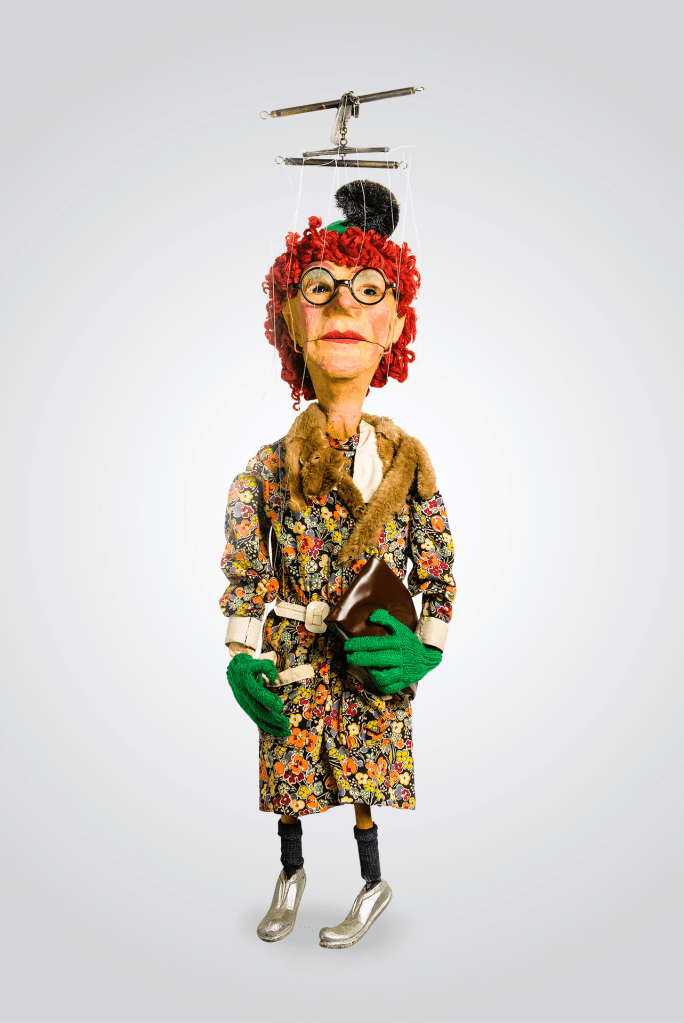
Their comedic sketches and songs often revolved around themes of societal norms, relationships, and exaggerated portrayals of high society. While these themes seemed apolitical on the surface, the duo’s sharp wit and double entendres allowed audiences to draw their own parallels to the oppressive conditions they were living under. This subtlety was key to their survival and success during the occupation.
The Role of Humor as Resistance
Humor has long been a tool for resilience during times of crisis, and Snip en Snap exemplified this during World War II. Their performances were a form of psychological resistance, offering people a way to cope with the hardships of war. The duo’s flamboyant drag personas, exaggerated mannerisms, and playful banter provided a stark contrast to the bleakness of the occupation.
The laughter they evoked was not just entertainment; it was a way for people to momentarily reclaim their humanity and resist the dehumanizing effects of the war. In the theater, audiences could forget about curfews, food shortages, and the constant threat of violence, finding solace in the duo’s lively and absurd performances.
The Risks and Challenges
Performing during the war was not without its risks. Any perceived act of defiance could have led to severe consequences, including arrest or worse. Some Dutch entertainers chose to collaborate openly with the Nazis, while others, like Snip en Snap, maintained a more neutral stance, navigating the fine line between compliance and resistance. This delicate balance allowed them to continue performing without overtly compromising their principles or endangering themselves and their audiences.
Legacy of Their Wartime Performances
The impact of Snip en Snap’s wartime performances extended far beyond the end of the occupation. Their ability to bring laughter and light during one of the darkest periods in Dutch history cemented their status as cultural icons. For many, the duo symbolized the resilience and creativity of the Dutch people, who found ways to maintain their spirit even under the harshest conditions.
After the war, Snip en Snap’s popularity soared even higher as they transitioned to radio and later television, bringing their unique brand of humor to new audiences. However, it was their wartime performances that solidified their place in the hearts of the Dutch public, ensuring their legacy as much more than entertainers—they were a source of hope.
Snip en Snap’s contribution to Dutch culture during World War II illustrates the profound role of art and humor in sustaining morale during times of crisis. Their performances offered not only a temporary escape but also a subtle form of resistance against oppression. By making people laugh during one of history’s darkest periods, Snip en Snap demonstrated the enduring power of comedy to heal, unite, and inspire resilience.
Eddie van Halen
Eddie van Halen’s father, Jan van Halen, was a Dutch jazz pianist, clarinetist, and saxophonist working for the Dutch Air Force. Later on he became one of the musicians at the Snip en Snap shows. As a child, Eddie van Halen demonstrated prodigious musical talent, particularly on the piano. In one memorable instance, he performed as a guest pianist at a Snip en Snap show. The exact date and circumstances of this performance are somewhat obscure, but it is often recounted as a unique intersection of two very different worlds—Dutch vaudeville and the budding genius of a future rock legend.
sources
Donations
Your readership is what makes my site a success, and I am truly passionate about providing you with valuable content. I have been doing this at no cost and will continue to do so. Your voluntary donation of $2 or more, if you are able, would be a significant contribution to the continuation of my work. However, I fully understand if you’re not in a position to do so. Your support, in any form, is greatly appreciated. Thank you. To donate, click on the credit/debit card icon of the card you will use. If you want to donate more than $2, just add a higher number in the box left from the PayPal link. Your generosity is greatly appreciated. Many thanks.
$2.00
 History of Sorts
Leave a comment