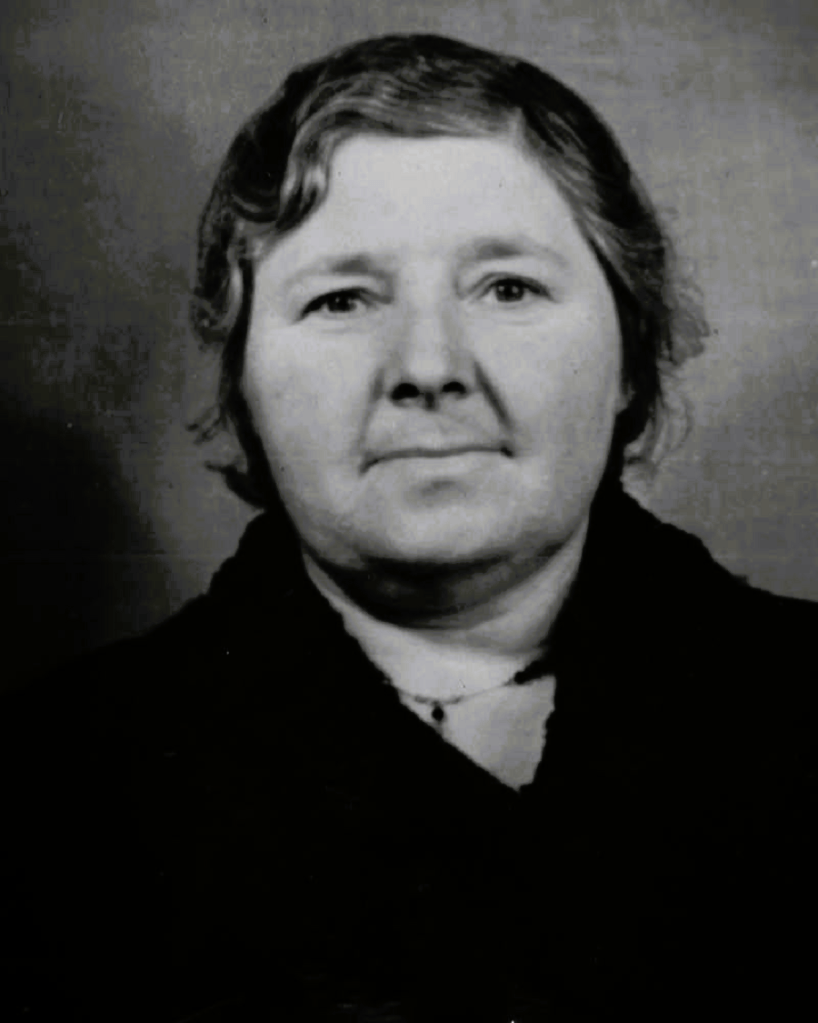
Louisa Gould was a remarkable woman whose bravery and selflessness during World War II exemplify the resilience of the human spirit. As a resident of Jersey in the Channel Islands, she lived through the German occupation from 1940 to 1945. Despite the dangers she faced, Gould risked her life to protect others, ultimately paying the highest price for her humanitarian actions. Her story is one of courage, sacrifice, and unwavering commitment to doing what was right.
Born in 1891, Louisa Gould was a shopkeeper and an active member of the local community in Jersey. When the German forces occupied the Channel Islands in 1940, life for the residents became increasingly difficult, with food shortages, strict curfews, and harsh punishments for any resistance. Many islanders were forced into compliance, but some, like Gould, refused to stand idly by in the face of injustice.
Louisa Mary Le Druillenec was born on October 7, 1891, in St. Ouen, one of the twelve parishes on the island of Jersey. She grew up in a large family with five sisters and three brothers.
Louisa married Edward William Gould, and together they ran a food shop on the island. Their life took a tragic turn in 1933 when Edward passed away, leaving Louisa to manage the business while raising their two sons, Edward and Ralph, on her own. Despite these hardships, both sons earned scholarships to study at Oxford. Edward later served in the Royal Navy Volunteer Reserve.
When France was invaded in June 1940, around 30,000 Channel Islanders—roughly a third of the population—evacuated to Britain, Louisa, however, chose to stay.
Believing Jersey and Guernsey to be defended by Britain, the Luftwaffe launched an air raid, killing 44 people. Just days later, on July 1, 1940, German forces arrived, swiftly taking control of the islands.
Under the occupation, strict new rules were imposed: a curfew was enforced, ID cards became mandatory, and radios were banned. A register of Jewish residents was created, Jewish businesses were forced to identify themselves publicly, and some Jewish islanders were deported to concentration camps. Meanwhile, British-born islanders were also sent to Germany.
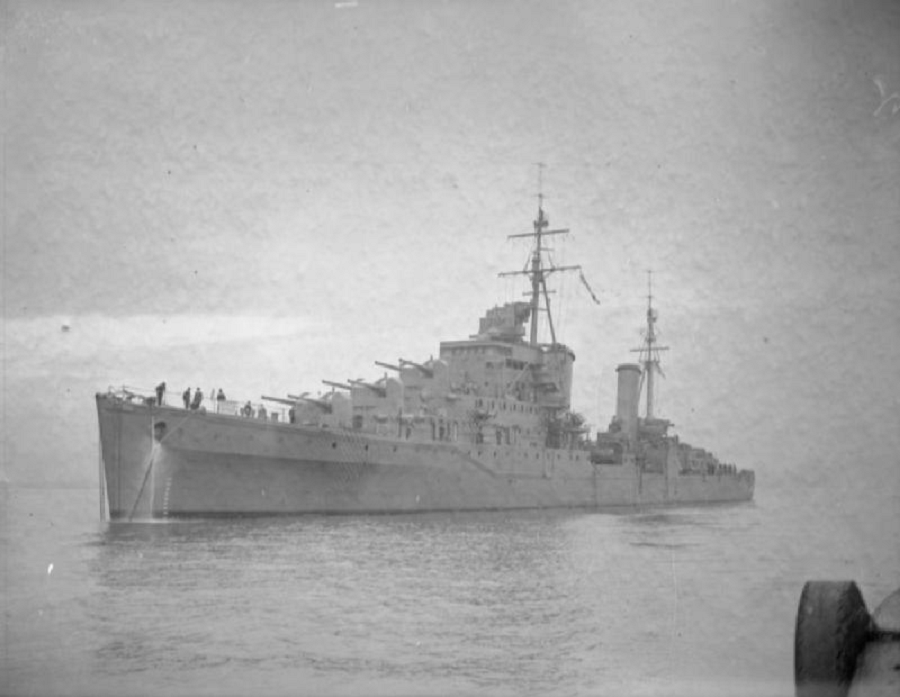
In July 1941, Louisa received devastating news—her son Edward had been killed in action in the Mediterranean. Edward, an officer in the Royal Navy Volunteer Reserve, was killed in action on HMS Bonaventure in March 1941.
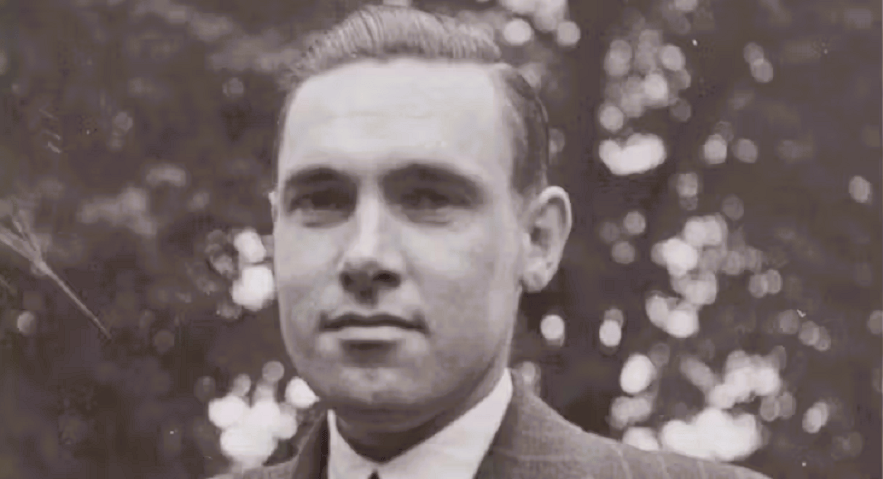
Louisa’s defining moment of heroism came when she decided to shelter a young Russian prisoner of war named Feodor Burriy. The Nazis used Russian prisoners as forced laborers, subjecting them to brutal treatment and deprivation. When Burriy managed to escape from his captors, Gould took him in, knowing full well that harboring an escaped prisoner was a capital offense. Over the course of more than a year, she provided him with food, shelter, and protection, treating him as part of her own family. She also helped him learn English and integrate into the local community as much as possible despite the ever-present risks.
Eventually, her acts of defiance were discovered. In 1944, she was betrayed by an informant, and the Germans arrested her. She was subjected to a trial in which she was accused of harboring an escaped prisoner and listening to the BBC, which was also considered a crime under Nazi rule. As a result, she was sentenced to imprisonment and deported to the notorious Ravensbrück concentration camp in Germany.
Both Louisa Gould and her sister Ivy Forster sheltered escaped Soviet forced labourers
In 1944, a letter informing the German authorities that Louisa Gould was sheltering a Russian fugitive was intercepted. The fugitive, Buriy—whom Louisa affectionately called “Bill”—was swiftly moved to the home of her sister, Ivy Forster, for safety, saying that she wanted to prevent another mother from losing her son.
However, in June 1944, the German Geheime Feldpolizei searched Louisa’s house and discovered evidence of Buriy’s stay. Among the items they found were a scrap of paper that had been used as a Christmas gift tag addressed to Buriy and a Russian-English dictionary he had used to practice English.
On May 25, Louisa was arrested, followed by Ivy a week later. Their brother, Harold Le Druillenec, was also taken into custody after being seen visiting Louisa’s home. While Buriy managed to evade capture until the liberation of Jersey, all three siblings were convicted.
Louisa was sentenced to two years in prison for harboring Buriy and for illegally possessing a radio, which she had kept despite the German ban. She and Harold were initially jailed in France before being deported to Nazi concentration camps. Ivy, however, avoided deportation when a doctor falsely diagnosed her with tuberculosis, allowing her to serve her five-month, fifteen-day sentence in Jersey instead.
Louisa was sent to Ravensbrück concentration camp, where, on February 13, 1945—just two months before the camp’s liberation—she was murdered in the gas chamber.
Harold was deported to Bergen-Belsen, where he became one of only two British survivors of the camp.
Gould’s sacrifice did not go unrecognized. In the years following the war, her bravery was honored in various ways. In 2010, she was posthumously awarded the British Hero of the Holocaust award, acknowledging her moral courage and selfless actions. A plaque in her memory was placed on the island, and her story has been shared widely to ensure that future generations remember her heroism.
Louisa Gould’s legacy serves as a powerful reminder of the impact one individual can have in the face of tyranny. Her willingness to risk everything for the life of another exemplifies the highest form of humanity. Through her courage, she not only saved a life but also upheld the principles of compassion and justice, even in the darkest of times. Her story continues to inspire and teach the world about the power of moral conviction and self-sacrifice.

Sources
https://www.jersey.com/inspire-me/inspiration/the-true-story-of-louisa-gould/
https://www.findmypast.co.uk/blog/history/story-of-a-holocaust-survivor
https://hmd.org.uk/resource/louisa-gould
https://en.wikipedia.org/wiki/Louisa_Gould
Please support us so we can continue our important work.
Donations
Your readership is what makes my site a success, and I am truly passionate about providing you with valuable content. I have been doing this at no cost and will continue to do so. Your voluntary donation of $2 or more, if you are able, would be a significant contribution to the continuation of my work. However, I fully understand if you’re not in a position to do so. Your support, in any form, is greatly appreciated. Thank you. To donate, click on the credit/debit card icon of the card you will use. If you want to donate more than $2, just add a higher number in the box left from the PayPal link. Your generosity is greatly appreciated. Many thanks.
$2.00
 History of Sorts
Leave a comment