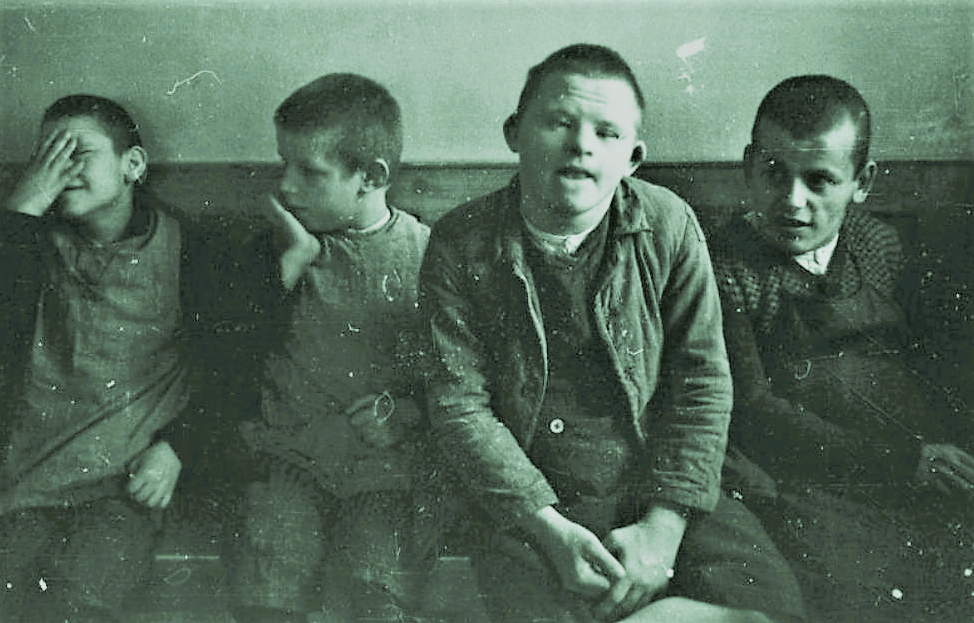
I have a grandnephew with Down syndrome, and what aches me most is that I haven’t met him yet. When he was born, complications kept him in and out of the hospital. Thankfully, he is doing well now, but due to the COVID-19 pandemic, and other obligations afterwards, I haven’t been able to fly to the Netherlands to see him yet
This made me reflect on a chilling thought—if this had been the 1930s or 1940s in the Netherlands, I might never have had the chance to meet him at all. The Nazis would have likely murdered him.
At the start of World War II, people with mental or physical disabilities were among the first victims of Nazi atrocities. Under what they called the “T-4” or “euthanasia” program, thousands were systematically killed. The first victim of this program was a severely disabled infant whose parents petitioned Hitler for the right to end their child’s life. Hitler granted their request and saw it as an opportunity to promote what he called “mercy killings.” This led to the full-scale implementation of the T-4 program, which I have written about before.
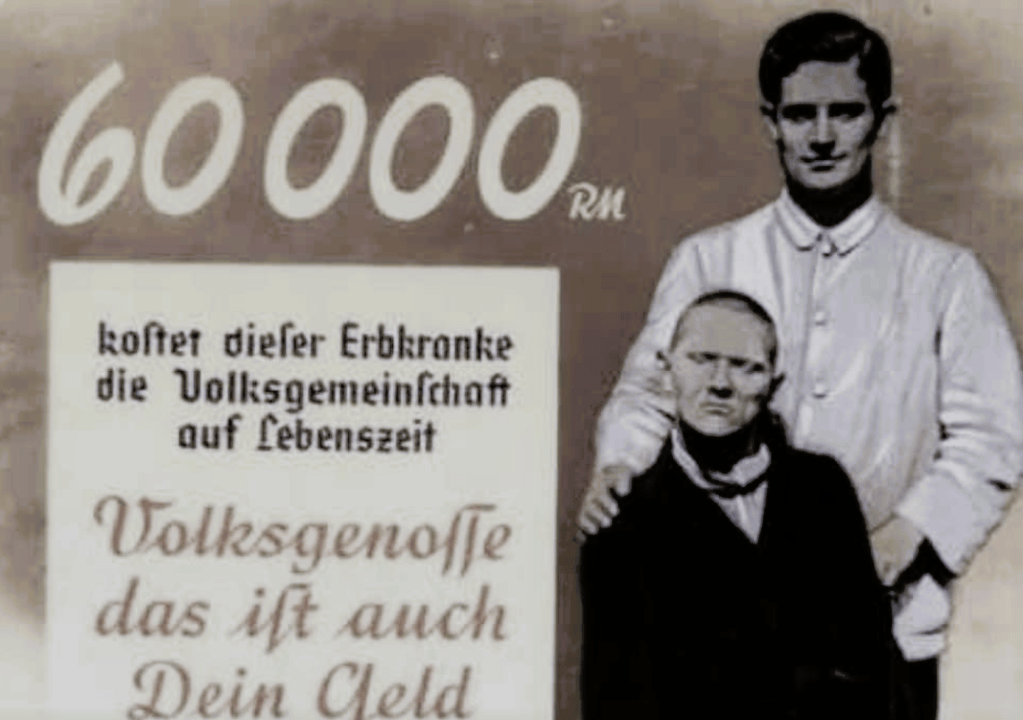
Today, I want to focus on just one victim—one name among the many forgotten.
Anna Lehnkering was born with a learning disability. In 1934, she was labeled “congenitally feebleminded,” forcibly sterilized, and placed in an institution. In 1940, she was sent to the Grafeneck euthanasia facility, where she was gassed to death. Her official death certificate falsely stated that she died of peritonitis, an inflammation of the stomach lining. Anna had once dreamed of working in a nursery—dreams that were stolen from her.
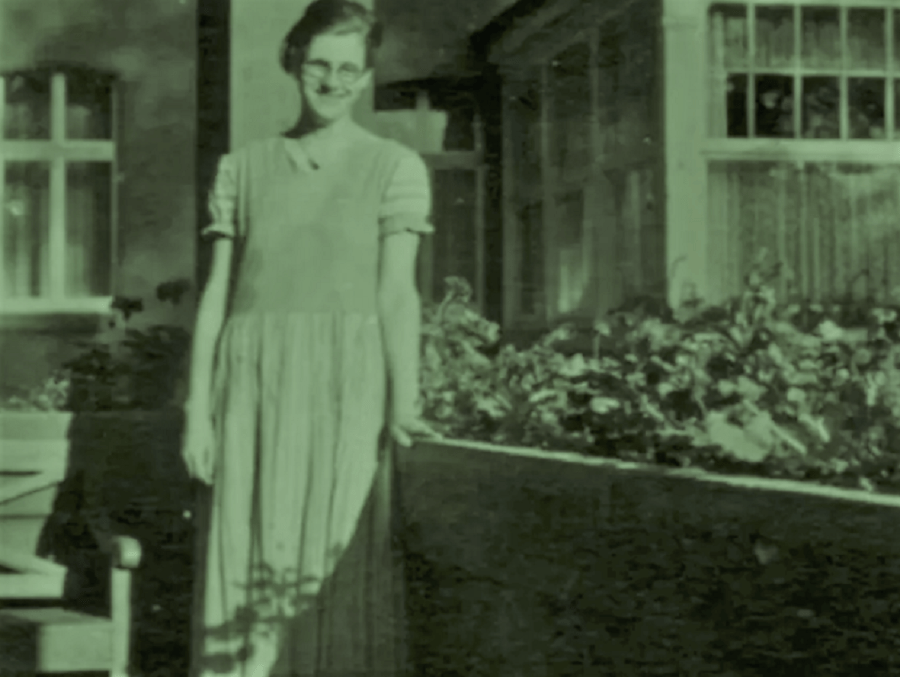
Decades later, Sigrid Falkenstein, Anna’s niece, discovered her aunt’s name on a list of 30,000 people murdered under the Aktion T4 program between 1940 and 1941. This discovery set Sigrid on a journey to learn more about both her aunt and the horrific program designed to eliminate those deemed “unworthy of life.”
Anna’s fate was sealed long before she was murdered. After being sterilized, she was admitted to a hospital for kidney disease. A doctor convinced her mother that institutionalization would provide the best care. In December 1936, Anna was transferred to a so-called “healing and care home,” where she underwent further tests—including mathematical and general knowledge assessments—as if her intelligence determined her right to live.
On April 23, 1940, Anna was gassed to death. The T-4 program was, in many ways, a trial run for the Holocaust. It became the blueprint for industrialized mass murder.
At least 6,000 children under the age of 16 were secretly killed, either by starvation or lethal injection.
As far as I know, there was no direct equivalent to the T-4 program in Nazi-occupied countries. However, that does not mean that people with disabilities were spared. The Nazis saw them as expendable, and many were murdered.
History teaches us not only about the past but also about the present. As I wait to meet my grandnephew, I hold onto the simple yet profound truth that every life has value—something that regimes like the Nazis sought to erase. We must continue to remember, to tell these stories, and to honor those who were lost.
sources
chrome-extension://efaidnbmnnnibpcajpcglclefindmkaj/https://www.hmd.org.uk/wp-content/uploads/old-images/anna_lehnkering_life_story_hmd.pdf
https://hmd.org.uk/resource/anna-lehnkering
https://www.geschiedenisbeleven.nl/aktion-t4-leerschool-voor-de-holocaust/
https://www.dw.com/en/bundestag-remembers-nazi-euthanasia-victims/a-37295422
https://www.bbc.com/news/world-europe-38773057
https://encyclopedia.ushmm.org/content/en/article/euthanasia-program
https://pmc.ncbi.nlm.nih.gov/articles/PMC1895681/
Please support us so we can continue our important work.
Donation
Your readership is what makes my site a success, and I am truly passionate about providing you with valuable content. I have been doing this at no cost and will continue to do so. Your voluntary donation of $2 or more, if you are able, would be a significant contribution to the continuation of my work. However, I fully understand if you’re not in a position to do so. Your support, in any form, is greatly appreciated. Thank you. To donate, click on the credit/debit card icon of the card you will use. If you want to donate more than $2, just add a higher number in the box left from the PayPal link. Your generosity is greatly appreciated. Many thanks.
$2.00
 History of Sorts
Leave a comment