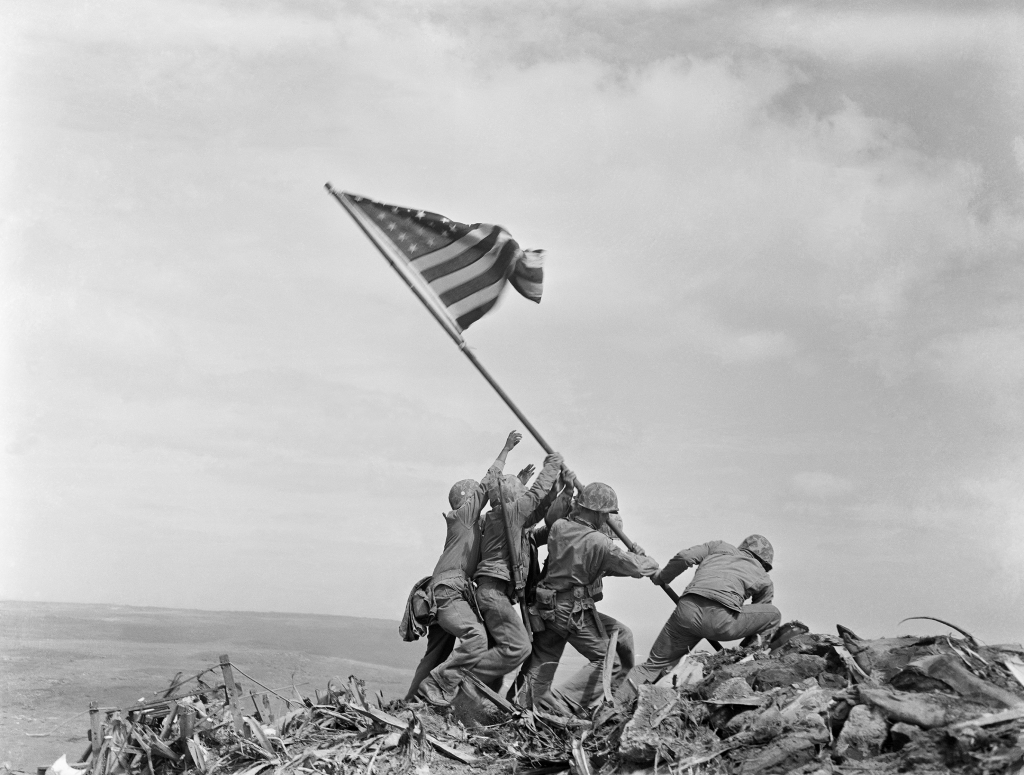
In a time when true heroes are rare, it’s important to remember those who made a difference through selfless actions rather than self-promotion.
Ross F. Gray and William Gary Walsh: Heroes of World War II
During World War II, countless soldiers displayed extraordinary bravery in combat. Among them, Ross F. Gray and William Gary Walsh stood out for their selfless courage and sacrifice, earning the Medal of Honor—the highest military decoration in the United States. Their acts of valor serve as enduring examples of dedication to their country and fellow soldiers.
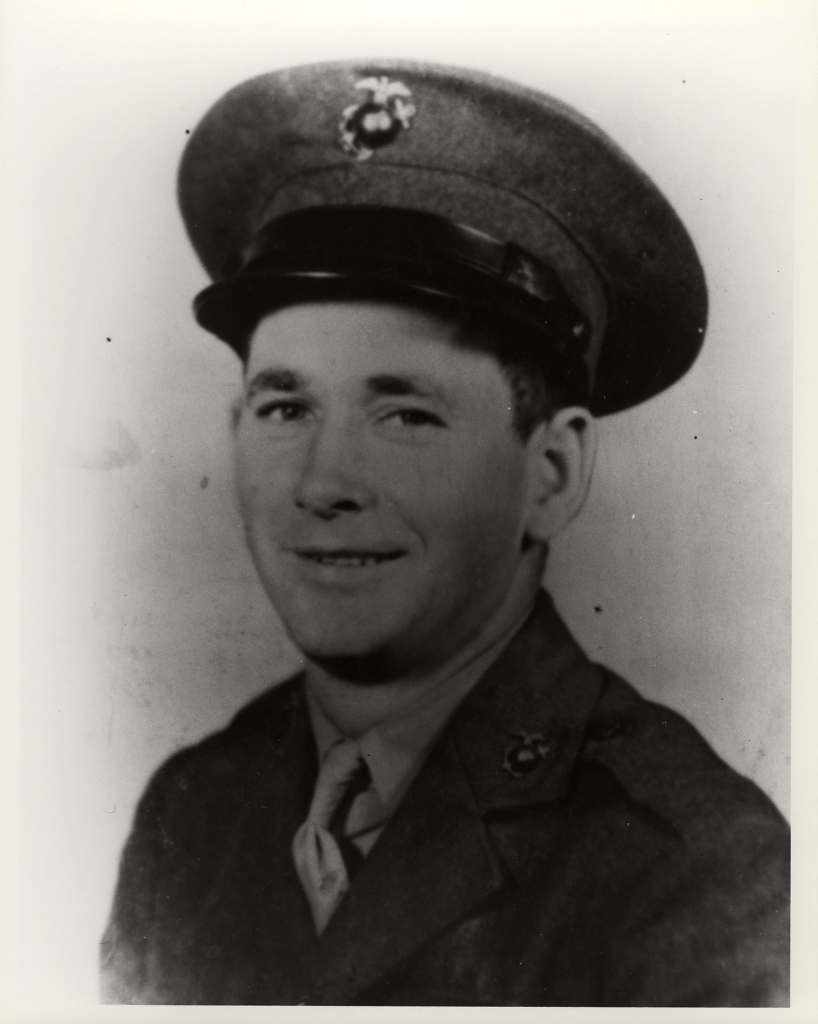
Ross F. Gray: A Leader in Combat
Ross F. Gray was born on August 1, 1920, in Marvel Valley, Alabama. Enlisting in the United States Marine Corps in 1942, he quickly distinguished himself as a natural leader. Serving as a platoon sergeant in Company A, 25th Marine Regiment, 4th Marine Division, Gray demonstrated remarkable bravery during the Battle of Iwo Jima, one of the fiercest battles in the Pacific Theater.
On February 21, 1945, Gray and his men faced relentless Japanese resistance. In a daring solo mission, he advanced under heavy fire to destroy a network of enemy pillboxes that threatened his unit. Despite the extreme danger, Gray crawled across open terrain, using explosives to neutralize six heavily fortified positions. His actions not only saved numerous lives but also paved the way for his unit’s advance. Tragically, Gray was killed in action three days later, but his heroism earned him a posthumous Medal of Honor, ensuring that his legacy would live on.
Citation
For conspicuous gallantry and intrepidity at the risk of his life above and beyond the call of duty as a platoon sergeant attached to Company A, 1st Battalion, 25th Marines, 4th Marine Division, in action against enemy Japanese forces on Iwo Jima, Volcano Islands, 21 February 1945. Shrewdly gauging the tactical situation when his platoon was held up by a sudden barrage of hostile grenades while advancing toward the high ground northeast of Airfield No. 1, Sgt. Gray promptly organized the withdrawal of his men from enemy grenade range, quickly moved forward alone to reconnoiter, and discovered a heavily mined area extending along the front of a strong network of emplacements joined by covered trenches. Although assailed by furious gunfire, he cleared a path leading through the minefield to one of the fortifications, then returned to the platoon position and, informing his leader of the serious situation, volunteered to initiate an attack under cover of three fellow Marines. Alone and unarmed but carrying a huge satchel charge, he crept up on the Japanese emplacement, boldly hurled the short-fused explosive, and sealed the entrance. Instantly taken under machine-gun fire from a second entrance to the same position, he unhesitatingly braved the increasingly vicious fusillades to crawl back for another charge, returned to his objective, and blasted the second opening, thereby demolishing the position. Repeatedly covering the ground between the savagely defended enemy fortifications and his platoon area, he systematically approached, attacked, and withdrew under blanketing fire to destroy a total of six Japanese positions, more than 25 troops, and a quantity of vital ordnance gear and ammunition. Stouthearted and indomitable, Sgt. Gray had singlehandedly overcome a strong enemy garrison and had completely disarmed a large minefield before finally rejoining his unit. By his great personal valor, daring tactics, and tenacious perseverance in the face of extreme peril, he had contributed materially to the fulfillment of his company’s mission. His gallant conduct throughout enhanced and sustained the highest traditions of the U.S. Naval Service.

William Gary Walsh: A Selfless Warrior
William Gary Walsh, born on April 7, 1922, in Roxbury, Massachusetts, also joined the Marine Corps in 1942. A private first class in Company G, 3rd Battalion, 27th Marine Regiment, 5th Marine Division, Walsh demonstrated exceptional bravery during the Battle of Iwo Jima.
On February 27, 1945, Walsh and his fellow Marines were engaged in intense combat against a determined Japanese force. When a grenade was thrown into their position, Walsh, without hesitation, threw himself onto the explosive device. His sacrifice saved the lives of his comrades, embodying the highest ideals of military service. For his selfless act of heroism, Walsh was posthumously awarded the Medal of Honor.
Citation
For extraordinary gallantry and intrepidity at the risk of his life above and beyond the call of duty as leader of an assault platoon, attached to Company G, 3d Battalion, 27th Marines, 5th Marine Division, in action against enemy Japanese forces at Iwo Jima, Volcano Islands, on 27 February 1945. With the advance of his company toward Hill 362 disrupted by vicious machine-gun fire from a forward position that guarded the approaches to this key enemy stronghold, G/Sgt. Walsh fearlessly charged at the head of his platoon against the Japanese entrenched on the ridge above him, utterly oblivious to the unrelenting fury of hostile automatic weapons fire and hand grenades employed with fanatic desperation to smash his daring assault. Thrown back by the enemy’s savage resistance, he once again led his men in a seemingly impossible attack up the steep, rocky slope, boldly defiant of the annihilating streams of bullets that saturated the area. Despite his casualty losses and the overwhelming advantage held by the Japanese in superior numbers and dominant position, he gained the ridge’s top only to be subjected to an intense barrage of hand grenades thrown by the remaining Japanese, staging a suicidal last stand on the reverse slope. When one of the grenades fell in the midst of his surviving men, huddled together in a small trench, G/Sgt. Walsh, in a final valiant act of complete self-sacrifice, instantly threw himself upon the deadly bomb, absorbing with his own body the full and terrific force of the explosion. Through his extraordinary initiative and inspiring valor in the face of almost certain death, he saved his comrades from injury and possible loss of life. He enabled his company to seize and hold this vital enemy position. He gallantly gave his life for his country.
Legacy of Courage
The stories of Ross F. Gray and William Gary Walsh exemplify the bravery and sacrifice that defined the Marines during World War II. Their willingness to risk—and ultimately give—their lives for their fellow soldiers remains a testament to the values of honor, courage, and commitment. Their names are forever enshrined in history, serving as inspirations for future generations of service members and civilians alike.
Through their heroic actions, Gray and Walsh demonstrated that true courage is not just about personal survival but about selfless service to others. Their legacies remind us of the sacrifices made by the men and women who fought to preserve freedom and uphold the values of the United States.
Sources
https://www.cmohs.org/recipients/william-g-walsh
https://www.cmohs.org/recipients/ross-f-gray
https://en.wikipedia.org/wiki/William_G._Walsh
https://en.wikipedia.org/wiki/Ross_F._Gray
Donation
Your readership is what makes my site a success, and I am truly passionate about providing you with valuable content. I have been doing this at no cost and will continue to do so. Your voluntary donation of $2 or more, if you are able, would be a significant contribution to the continuation of my work. However, I fully understand if you’re not in a position to do so. Your support, in any form, is greatly appreciated. Thank you. To donate, click on the credit/debit card icon of the card you will use. If you want to donate more than $2, just add a higher number in the box left from the PayPal link. Your generosity is greatly appreciated. Many thanks.
$2.00
 History of Sorts
Leave a comment