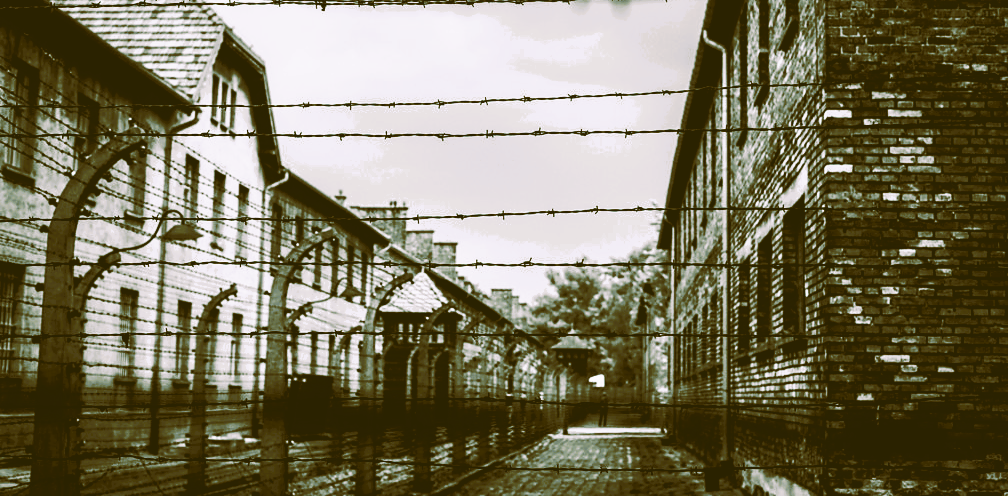
The Holocaust remains the darkest chapter in human history, marked by unimaginable atrocities and suffering. While much attention was given to the physical brutality inflicted upon millions of Jews and other targeted groups, the psychological terror experienced during this period was equally devastating. The Nazi regime systematically employed psychological warfare to break the spirits of its victims, ensuring not only their physical destruction but also their emotional and mental torment. The psychological terror of the Holocaust manifested through dehumanization, fear, uncertainty, and the obliteration of personal identity.
Dehumanization and Loss of Identity
One of the primary ways the Nazis exerted psychological terror was through dehumanization. Victims were stripped of their names and identities, often replaced with numbers tattooed onto their skin. This act not only physically marked individuals but also symbolized their reduction to mere objects in the eyes of their oppressors. The infamous concentration camps, such as Auschwitz and Treblinka, were designed to eliminate individuality. Prisoners were shaved, forced to wear identical uniforms, and deprived of personal belongings, further eroding their sense of self.
This dehumanization extended to the way prisoners were treated. They were subjected to brutal labor, starvation, and relentless cruelty from guards who saw them as subhuman. By treating victims as expendable and insignificant, the Nazis sought to erode their will to live. Many survivors later recounted how the loss of personal identity was among the most harrowing aspects of their experience, as it stripped them of the dignity that makes one human.
The Constant Fear of Death
Fear was an omnipresent force in the Holocaust. Prisoners lived in a state of perpetual terror, never knowing when their time would come. The selections conducted by Nazi officers in concentration camps determined who would live another day and who would be sent to the gas chambers. The uncertainty of survival created unbearable anxiety, as individuals watched their loved ones disappear with no certainty of their fate.
Even outside the camps, Jewish families who went into hiding faced constant dread. The fear of betrayal loomed large, as any slip-up, even by a child, could mean capture and execution. This mental strain led to extreme paranoia and an overwhelming sense of helplessness. Many survivors recounted how they could not even grieve properly, as any outward display of sorrow could attract deadly attention.
Psychological Manipulation and Betrayal
The Nazis also used psychological manipulation to further oppress their victims. Prisoners were often forced into moral dilemmas, such as choosing who among them would be sent to die. The Jewish Councils (Judenräte) in ghettos were coerced into making impossible decisions about who would be deported, creating guilt and psychological torment that lasted long after the war ended.
Additionally, the practice of using fellow prisoners, known as kapos, to enforce camp discipline created further psychological distress.

These individuals, often given slightly better treatment in exchange for brutalizing their fellow inmates, faced a wrenching moral crisis. Survivors often spoke of the complex emotions of resentment and pity they felt toward kapos, many of whom acted out of desperation rather than cruelty.
Hope and the Psychological Struggle to Survive
Despite the overwhelming terror, many victims clung to hope as a means of psychological survival. Some found solace in faith, while others relied on the bonds they formed with fellow prisoners. Small acts of defiance, such as secretly practicing religious rituals, keeping diaries, or simply sharing a kind word, became vital for maintaining a sense of humanity.
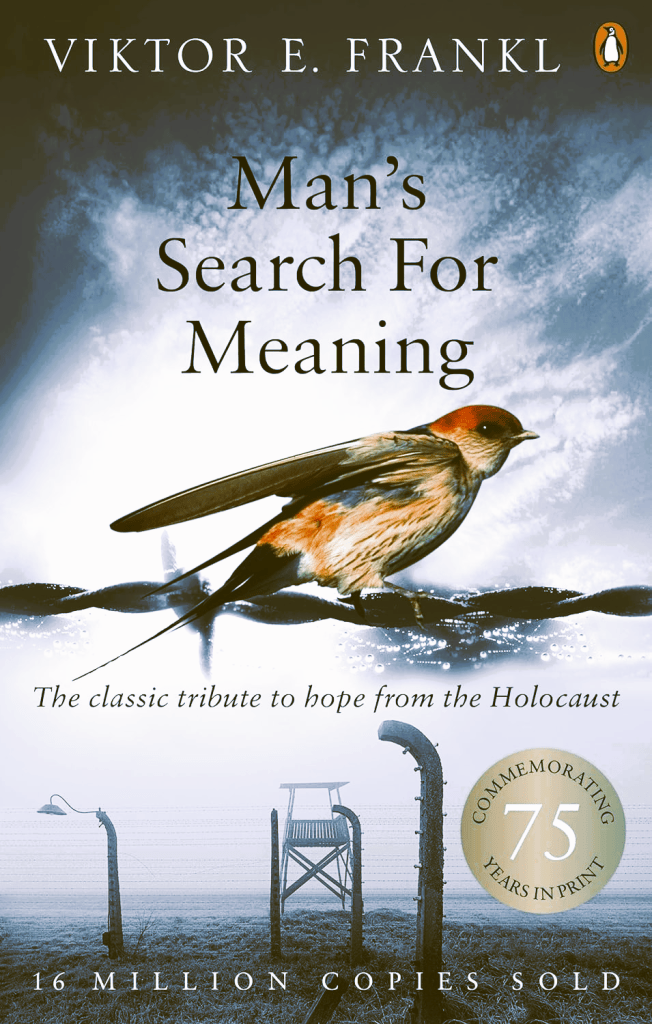
Viktor Frankl, a Holocaust survivor and psychiatrist, explored the importance of finding meaning even in the face of immense suffering. In his book Man’s Search for Meaning, he argued that those who could hold onto a sense of purpose had a greater chance of survival. This highlights the resilience of the human spirit, even amidst the most horrific psychological torment.
The psychological terror of the Holocaust was as devastating as the physical brutality. Through dehumanization, fear, manipulation, and the destruction of identity, the Nazis sought to break the spirits of their victims before ultimately taking their lives. However, amidst this terror, countless individuals displayed extraordinary psychological resilience. Their stories serve as a testament to the enduring strength of the human mind, even in the face of unimaginable horror. The psychological impact of the Holocaust did not end with liberation; it continued to haunt survivors for the rest of their lives, shaping the historical memory of one of humanity’s greatest tragedies.
Survivors and Children
It is widely known that Holocaust survivors who endured the horrors of concentration camps suffered profound emotional wounds, many of which have never fully healed. Less recognized, however, is the lasting psychological impact on their children. Bower (1996) studied 80 Jewish adults born to Holocaust survivors and 20 Jewish adults whose parents had not faced Nazi persecution. All participants were of similar age and had experienced some form of trauma in their lives. The study found that 29% of Holocaust survivors’ children had exhibited symptoms of depression and Post-Traumatic Stress Disorder (PTSD) at some point, compared to none in the control group. This suggests that children of Holocaust survivors may be at a higher risk for psychiatric symptoms—including depression, anxiety, and PTSD—through exposure to their parents’ trauma, a phenomenon known as vicarious traumatization.
Holocaust survivors with PTSD may unknowingly pass on a vulnerability to the same condition to their children. Yehuda et al. (1998) found that offspring diagnosed with PTSD often cited Holocaust-related thoughts or images as their primary trauma. Personal experience supports this finding—my mother, the daughter of Holocaust survivors, recalls early childhood memories of her father’s nightmares.
Beyond PTSD, children of Holocaust survivors frequently experience additional psychological effects. Survivors themselves often struggle with “survivor guilt,” melancholia, and a deep sense of identification with the deceased. Some researchers, such as Fogelman (1998), suggest that survivors may feel incapable of fully meeting their children’s needs, leading to emotional withdrawal. However, my personal experience presents an alternative perspective: many survivors I have known have sacrificed greatly for their children, often depriving themselves to provide them with a better life.
For many survivors and their children, the Holocaust remains a present reality, its impact shaping their lives in profound and enduring ways
Sources
https://www.apa.org/news/press/releases/2010/09/holocaust-survivors
https://link.springer.com/chapter/10.1007/978-94-015-6864-7_2
https://encyclopedia.ushmm.org/content/en/article/nazi-terror-begins
https://journals.sagepub.com/doi/10.1177/00220094231219273
https://www.sciencedirect.com/science/article/abs/pii/S0165178124005900
Please support us so we can continue our important work.
Donation
Your readership is what makes my site a success, and I am truly passionate about providing you with valuable content. I have been doing this at no cost and will continue to do so. Your voluntary donation of $2 or more, if you are able, would be a significant contribution to the continuation of my work. However, I fully understand if you’re not in a position to do so. Your support, in any form, is greatly appreciated. Thank you. To donate, click on the credit/debit card icon of the card you will use. If you want to donate more than $2, just add a higher number in the box left from the PayPal link. Your generosity is greatly appreciated. Many thanks.
$2.00
 History of Sorts
Leave a comment