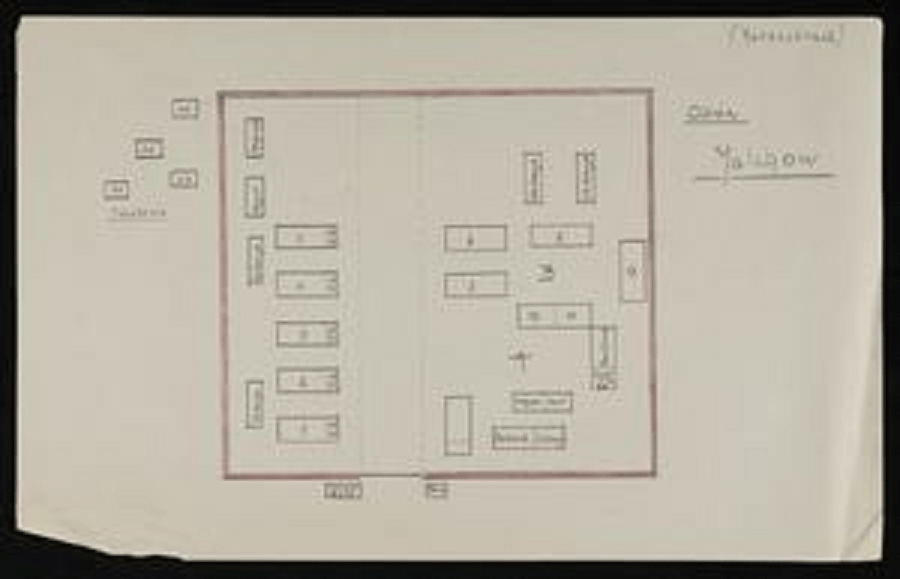
In total, historians estimate over 42,000 camps and ghettos were established by the Nazis across Europe, Malchow was one of them
Malchow concentration camp was a subcamp of the Ravensbrück concentration camp, established by Nazi Germany during World War II. Located in Malchow, Mecklenburg, it is believed to have opened in the winter of 1943.
Camp Structure and Population
Initially, Malchow consisted of ten barracks, each designed to accommodate approximately 100 women, providing a total capacity of 1,000 prisoners. However, by 1945, the camp’s population had swelled to around 5,000, leading to extreme overcrowding and deteriorating living conditions.
Living Conditions and Forced Labor
Prisoners at Malchow endured severe hardships, including malnutrition, forced labor, and brutal treatment by the SS female guards. They were subjected to twice-daily roll calls, often standing for extended periods in harsh weather conditions. One of the most notorious figures at Malchow was Luise Danz, the camp commandant, who was later convicted of crimes against humanity and sentenced to life imprisonment in 1947, though she was released in 1957.
Forced labor played a central role in camp life. Prisoners were assigned grueling tasks in munitions production, chemical recovery operations, and other industries vital to the German war effort. These tasks were performed under hazardous conditions, contributing to high mortality rates.
Health and Mortality
The overcrowded and unsanitary conditions led to frequent outbreaks of diseases such as tuberculosis and typhus. Combined with malnutrition and exhaustion from forced labor, these factors resulted in a significant number of deaths. Some local residents attempted to provide food to the prisoners, but those caught faced imprisonment themselves, highlighting the oppressive atmosphere surrounding the camp.
Role as a Transit Camp
In 1944, Malchow also functioned as a transit camp for prisoners arriving from other concentration camps. Eyewitness accounts indicate that transports of approximately 1,000 prisoners arrived after enduring weeks-long death marches. Many of these individuals were later sent to locations such as Wismar, where they faced further atrocities, including deliberate drownings aboard sunken barges.
Liberation
The Red Army liberated Malchow on May 2, 1945, marking the end of the prisoners’ suffering. This event was part of the broader liberation of Nazi-occupied territories, which contributed to the collapse of the Third Reich and the end of World War II in Europe.
Notable Survivors
Several individuals who survived Malchow went on to make significant contributions after the war. Hanna Zemer became a prominent Israeli journalist, Liliana Segre was appointed as an Italian Senator, and Berta Berkovich Kohut, one of the “Dressmakers of Auschwitz,” was also among those liberated from the camp.
Luise Danz
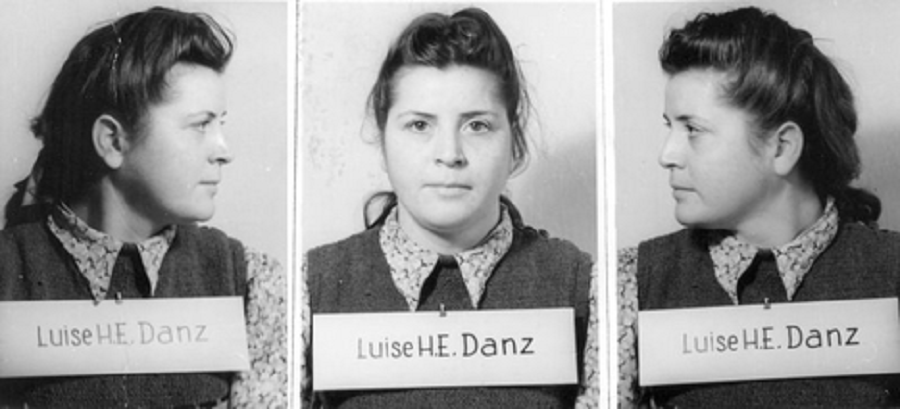
Luise Danz was born on December 11, 1917, in Walldorf, Germany. Little is known about her early life before she joined the Nazi SS. Like many young women in Nazi Germany, Danz was indoctrinated with the ideology of the regime and later recruited into the concentration camp system. In 1943, at the age of 25, she began her service as an SS guard at the Ravensbrück concentration camp, a facility primarily for female prisoners. Her recruitment was part of the Nazi policy to expand the ranks of female guards to oversee the increasing number of detainees in concentration camps.
Role in Nazi Concentration Camps
Danz quickly rose through the ranks and was stationed at several notorious camps, including Majdanek, Auschwitz, and Plaszów. At Majdanek, she played a role in the administration and enforcement of cruel policies against prisoners, many of whom were Jewish, Polish, and Soviet individuals targeted by the Nazi regime. She was known for her brutality and mistreatment of inmates, following orders that contributed to the mass suffering and death of those in the camps.
At Auschwitz, Danz continued her involvement in the systematic oppression of prisoners. While her exact duties varied, reports indicate that she participated in the selection of prisoners for forced labor or extermination, further solidifying her place in the machinery of genocide.
Post-War Trial and Conviction
After the collapse of the Nazi regime in 1945, Luise Danz was arrested and brought to trial for her war crimes. She was tried in Poland and found guilty of crimes against humanity due to her involvement in the inhumane treatment and deaths of prisoners at Majdanek. In 1948, she was sentenced to life imprisonment, but her sentence was later commuted, and she was released in 1956. Despite the severity of her crimes, her early release highlights the complexities of post-war justice and the varying degrees of accountability imposed on Nazi criminals.
Selma van Hasselt
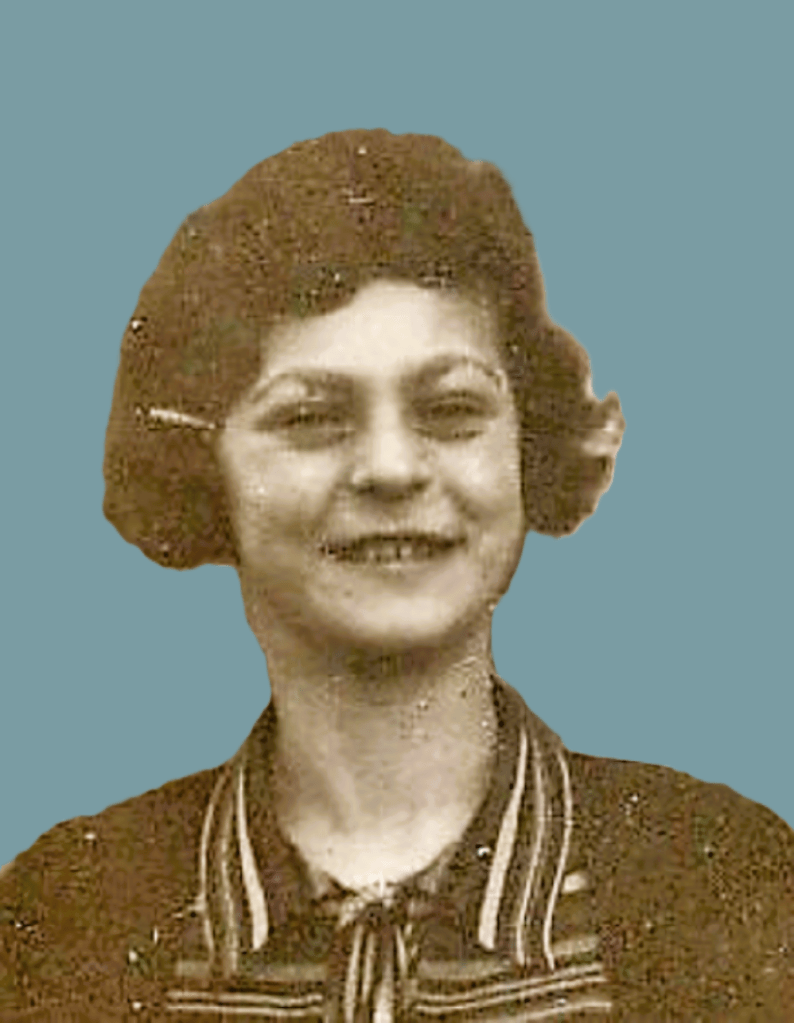
The story of Selma van Hasselt paints a poignant picture of a courageous Jewish woman in a hostile world. The 21-year-old Selma refuses to let the German occupiers break her spirit and joins the Reformed resistance. With bleached hair and a forged identity card, she travels by train across the Netherlands to distribute the illegal newspaper Trouw, among other activities.
By chance, she was arrested at the Arnhem station on January 28, 1944. During interrogations, despite severe mistreatment, Selma did not reveal anything.
Tragically, her apprehension resulted from recognition by a former classmate who had joined the SS
On January 8, she was sent to Camp Westerbork, from where she is scheduled for transport eastward a month later. Just before her departure, she managed to write a farewell letter:
My dearest loved ones,
Tonight, I suddenly heard that I will be transported in cattle wagons to the East. What a dreadful message! (…)
You cannot imagine how deeply I hold you in my heart. Now I miss you so much. Have you ever received a message from me? On my word, I have betrayed nothing. I have been severely beaten by the SD. (…)
I am strong and courageous. My dearest ones, thank you for everything. (…) There will be a way out. I feel rich, despite everything. Many kisses from your Selma.
Selma was murdered on March 1, 1945 in Malchow concentration camp. Two months before it was liberated.
sources
https://oorlogsgravenstichting.nl/personen/59954/selma-van-hasselt
https://www.joodsmonument.nl/nl/page/67548/selma-van-hasselt
https://www.groningen4045.nl/portretten/selma-van-hasselt-groningen
https://portal.ehri-project.eu/keywords/ehri_camps-775
https://en.wikipedia.org/wiki/Luise_Danz
https://en.wikipedia.org/wiki/Malchow_concentration_camp
Please support us so we can continue our important work.
Donation
Your readership is what makes my site a success, and I am truly passionate about providing you with valuable content. I have been doing this at no cost and will continue to do so. Your voluntary donation of $2 or more, if you are able, would be a significant contribution to the continuation of my work. However, I fully understand if you’re not in a position to do so. Your support, in any form, is greatly appreciated. Thank you. To donate, click on the credit/debit card icon of the card you will use. If you want to donate more than $2, just add a higher number in the box left from the PayPal link. Your generosity is greatly appreciated. Many thanks.
$2.00
 History of Sorts
Leave a comment