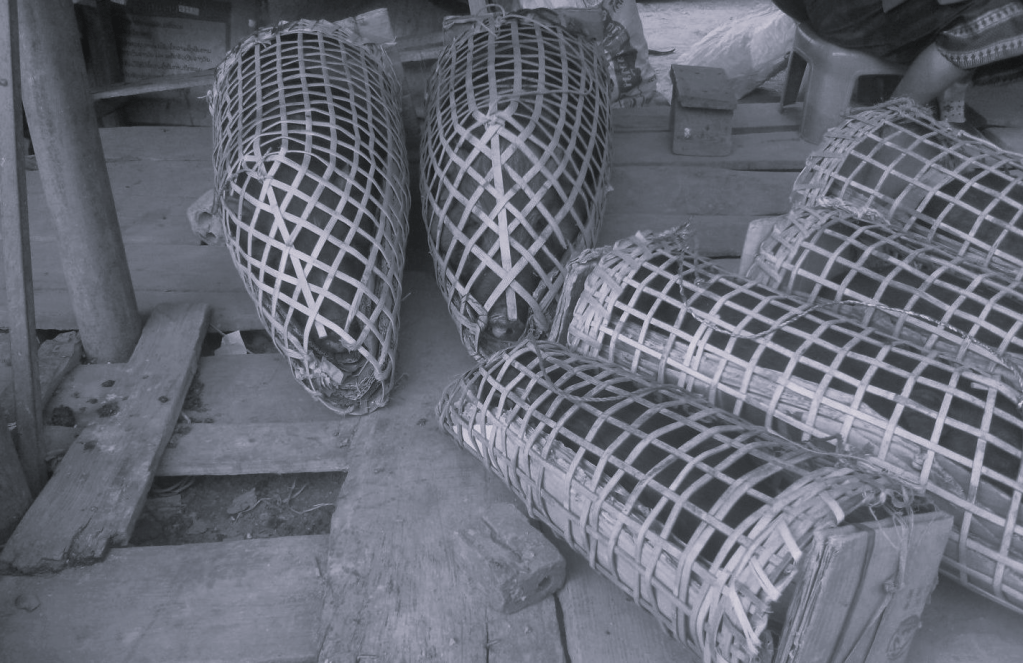
During the Second World War, numerous war crimes were committed by various nations, but some of the most horrific atrocities were perpetrated by the Japanese Army. Their occupation of conquered territories was marked by extreme brutality, with estimates suggesting that up to 14 million people perished as a result of Japanese war crimes. One of the most shocking incidents was the so-called “Pig Basket Atrocity,” in which Allied soldiers were confined in tiny cages or woven pig baskets and thrown into shark-infested waters off the coast of Indonesia.
Following the fall of the Dutch East Indies, the Japanese took control of the region, forcing many Allied soldiers to retreat into the mountains and form resistance groups. However, a significant number were captured and subjected to inhumane treatment. The prisoners were crammed into three-foot cages originally designed for pigs, then paraded through towns and villages as a warning to the local population against resisting Japanese rule. Enduring unbearable heat and dehydration, the captured soldiers were eventually transported by train and then by boat, still trapped in their cages. Upon reaching open waters, they were thrown overboard into the ocean, where they either drowned—unable to escape their restraints—or were devoured by sharks.
The Pig Basket Atrocity stands as a harrowing example of the cruelty inflicted during the war, highlighting the depths of inhumanity that some soldiers were capable of reaching.
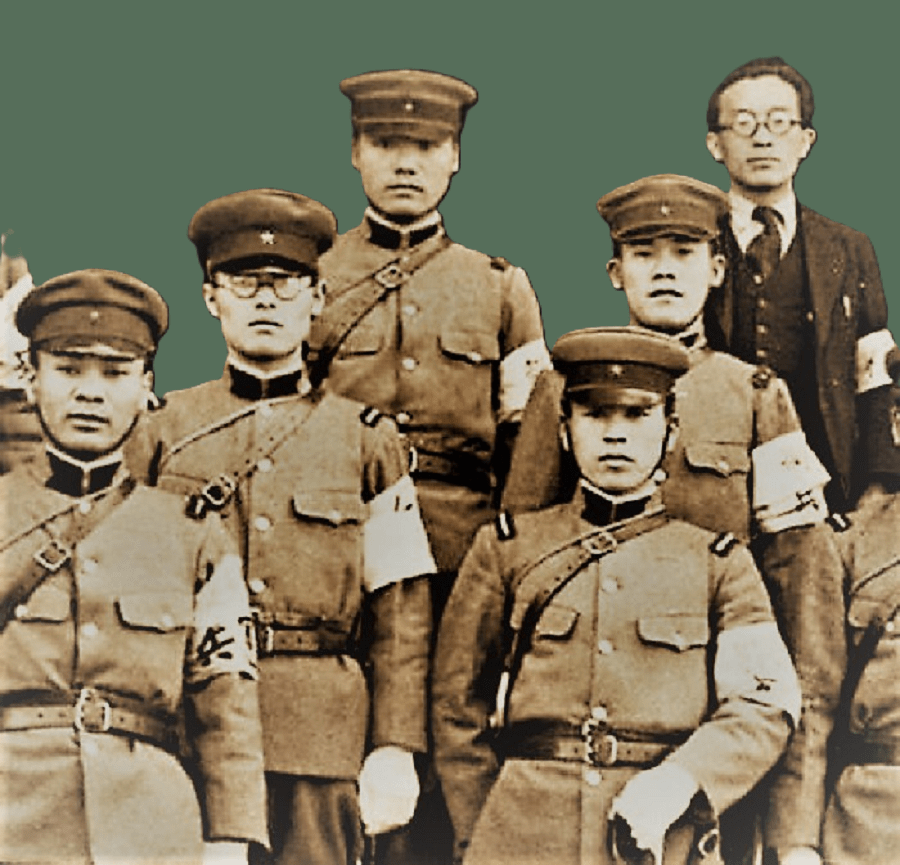
Following the Allied capitulation to the Imperial Japanese Army in East Java, Indonesia, in 1942, approximately 200 Allied troops took to the hills around Malang, forming a guerrilla resistance force. However, they were eventually captured and subjected to brutal torture by the Kempeitai, the military police arm of the Imperial Japanese Army.
A Horrific Fate
The captured soldiers were crammed into bamboo baskets measuring only 91-95 cm in length—containers typically used to transport pigs. In scorching temperatures of up to 38°C, they were loaded onto open trucks and paraded through towns before being taken to waiting boats off the coast of Surabaya. Deprived of water and already suffering from severe dehydration, the prisoners—still trapped inside their baskets—were thrown into the ocean, where they either drowned or were devoured by sharks.
A Witness to Horror
One of the few recorded eyewitness accounts of this atrocity comes from Elizabeth Van Kampen, a 15-year-old Dutch girl at the time. Below is her haunting testimony:
“At the beginning of October 1942, my father and I were walking along the main road near the Sumber Sewu coffee and rubber plantation, which lies on the ridge of Mount Semeru. Suddenly, we heard trucks approaching. We quickly hid behind coffee bushes higher up than the road, allowing us to see everything clearly.
We saw five open trucks loaded with bamboo baskets. Inside them were white men—prisoners. We could hear their desperate screams and cries for water and help in English and Dutch. The baskets were stacked on top of one another, and the trucks were heading toward Banyuwangi.
I was only 15, but I understood exactly what was happening. What struck me the deepest were the voices of those men, begging for mercy. I hid behind my father, and I heard him whisper, ‘Oh my God.’
We walked home by a different route, in complete silence. There were no words for what we had just witnessed…
After the war, I often wanted to speak to my father about that terrible day, but we never did. Had the Indonesians from Sumber Sewu seen those trucks? I will never know.”
It is believed that a drawing at the start of the blog post was created by Elizabeth to depict the harrowing events she witnessed.
Cultural and Psychological Warfare
Indonesia, both then and now, is a predominantly Muslim country, where pigs are considered unclean and contact with them is seen as impure. This cultural context suggests that the decision to place Allied troops in “pig baskets” was a deliberate psychological tactic by the Japanese to discourage local Indonesians from offering aid. Even if the locals had wanted to intervene, doing so would have likely resulted in their execution.
Justice and Impunity
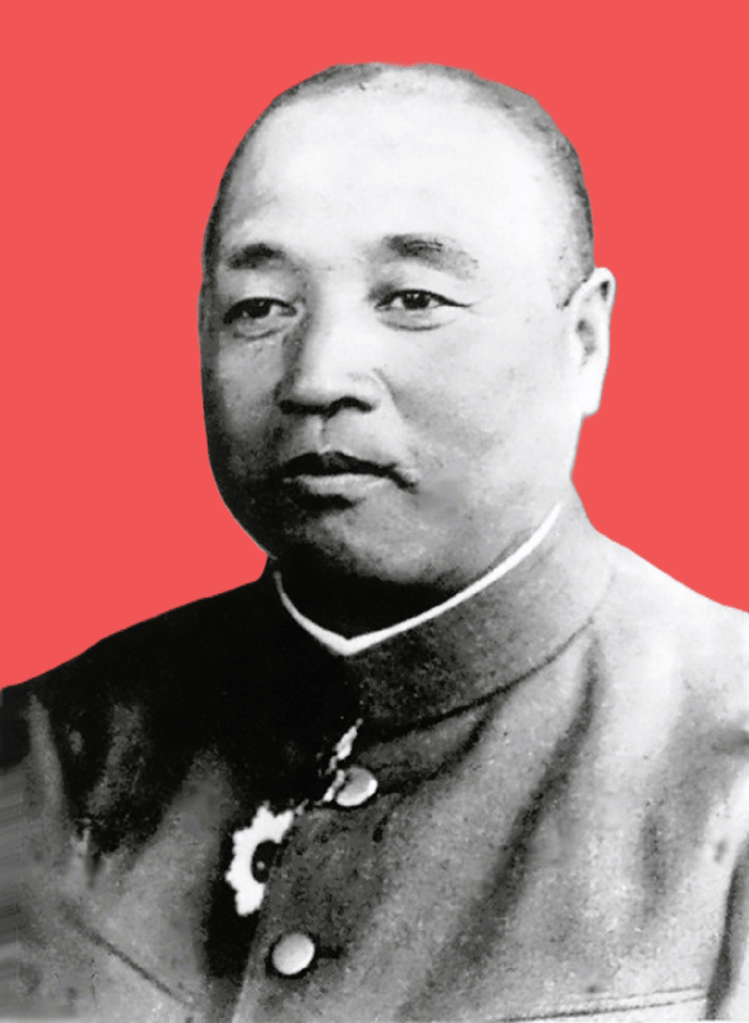
Despite the overwhelming cruelty of this atrocity, Lieutenant General Hitoshi Imamura, the commander-in-chief of Japanese forces in Java, was acquitted of war crimes charges by a Netherlands court due to lack of evidence. However, an Australian military tribunal later convicted him, sentencing him to 10 years in Sugamo Prison, Japan, where he served his term from 1946 to 1954.
The Pig Basket Atrocity remains one of the most horrifying yet lesser-known war crimes of World War II, a grim reminder of the depths of human cruelty and the suffering endured by those who fought for freedom.
sources
https://owlcation.com/stem/Murder-by-Shark-Attack
https://www.bbc.co.uk/history/ww2peopleswar/user/89/u246489.shtml
Donation
Your readership is what makes my site a success, and I am truly passionate about providing you with valuable content. I have been doing this at no cost and will continue to do so. Your voluntary donation of $2 or more, if you are able, would be a significant contribution to the continuation of my work. However, I fully understand if you’re not in a position to do so. Your support, in any form, is greatly appreciated. Thank you. To donate, click on the credit/debit card icon of the card you will use. If you want to donate more than $2, just add a higher number in the box left from the PayPal link. Your generosity is greatly appreciated. Many thanks.
$2.00
 History of Sorts
Leave a comment