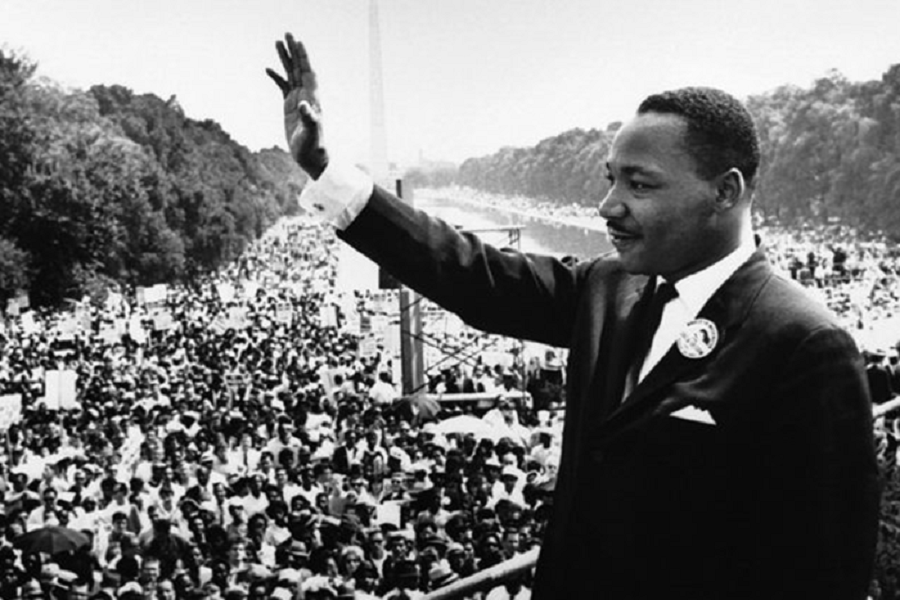
Martin Luther King Jr. stands as one of the most influential figures in American history, a leader whose unwavering commitment to justice, equality, and nonviolence transformed the social and political landscape of the United States. Born on January 15, 1929, in Atlanta, Georgia, King grew up in a deeply segregated society. Despite the pervasive racial injustice of the time, he emerged as a powerful voice for civil rights, driven by a moral vision that transcended race and geography.
King’s leadership in the Civil Rights Movement of the 1950s and 60s was grounded in the principle of nonviolent resistance, inspired by the teachings of Mahatma Gandhi and the Christian doctrine of love. His rise to national prominence began with the Montgomery Bus Boycott in 1955, a protest sparked by Rosa Parks’ arrest for refusing to give up her seat to a white passenger. King’s role as the spokesperson for the boycott helped solidify his reputation as a charismatic and strategic leader.
One of King’s most enduring contributions to American history was his ability to use the power of words to inspire change. His speeches—particularly the iconic “I Have a Dream” address delivered during the 1963 March on Washington—captured the moral urgency of the civil rights struggle and appealed to the conscience of the nation. In that speech, King envisioned a future where people would “not be judged by the color of their skin but by the content of their character,” a dream that continues to resonate with people around the world.
King’s activism went beyond racial equality. He also spoke out against poverty and the Vietnam War, recognizing that true justice required economic and social reform. His Poor People’s Campaign aimed to unite Americans of all backgrounds in a fight against economic inequality. Though his broadening focus drew criticism from some quarters, it reflected his deep commitment to human rights and his belief that “injustice anywhere is a threat to justice everywhere.”
Tragically, Martin Luther King Jr.’s life was cut short when he was assassinated on April 4, 1968, in Memphis, Tennessee.
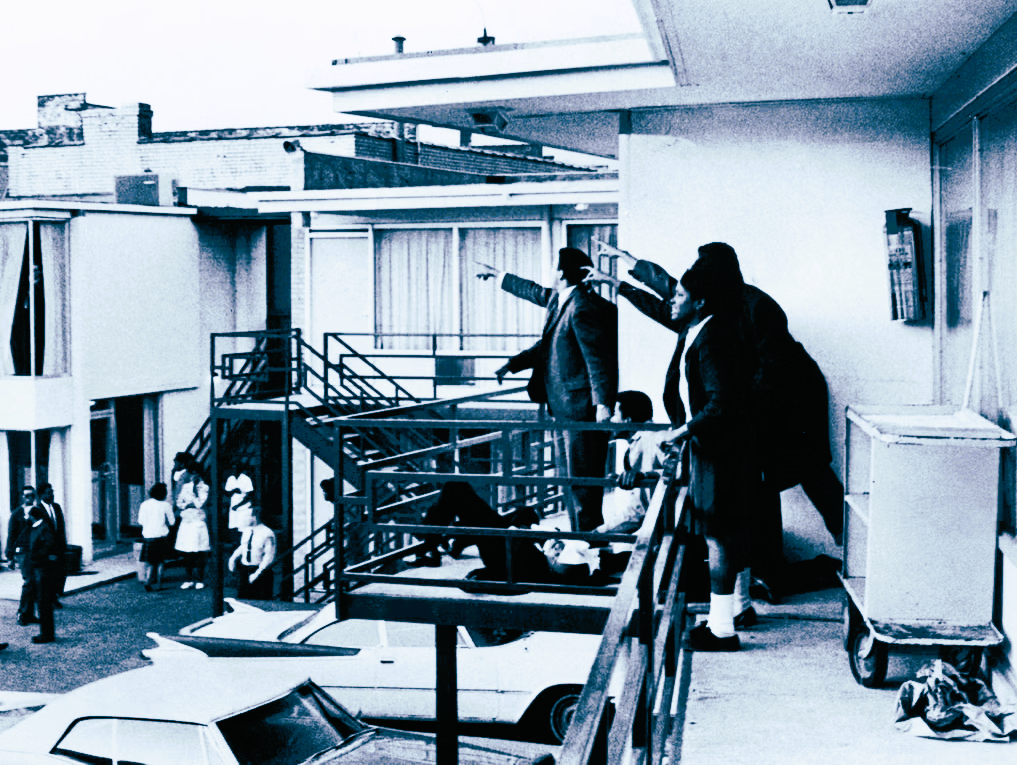
Yet, his legacy endures. In 1986, the United States established Martin Luther King Jr. Day as a national holiday in his honor, recognizing his invaluable contributions to American society.
Today, King’s life and work continue to inspire movements for justice, peace, and equality. His message of love and nonviolence remains as vital now as it was during the height of the Civil Rights Movement. Martin Luther King Jr. did not simply dream of a better world—he helped build the foundation for it, leaving behind a legacy that challenges each generation to carry the torch of justice forward.
sources
https://rac.org/blog/honoring-legacy-rev-dr-martin-luther-king-jr
https://en.wikipedia.org/wiki/Martin_Luther_King_Jr.
https://www.britannica.com/biography/Martin-Luther-King-Jr
Donation
Your readership is what makes my site a success, and I am truly passionate about providing you with valuable content. I have been doing this at no cost and will continue to do so. Your voluntary donation of $2 or more, if you are able, would be a significant contribution to the continuation of my work. However, I fully understand if you’re not in a position to do so. Your support, in any form, is greatly appreciated. Thank you. To donate, click on the credit/debit card icon of the card you will use. If you want to donate more than $2, just add a higher number in the box left from the PayPal link. Your generosity is greatly appreciated. Many thanks.
$2.00


Leave a Reply