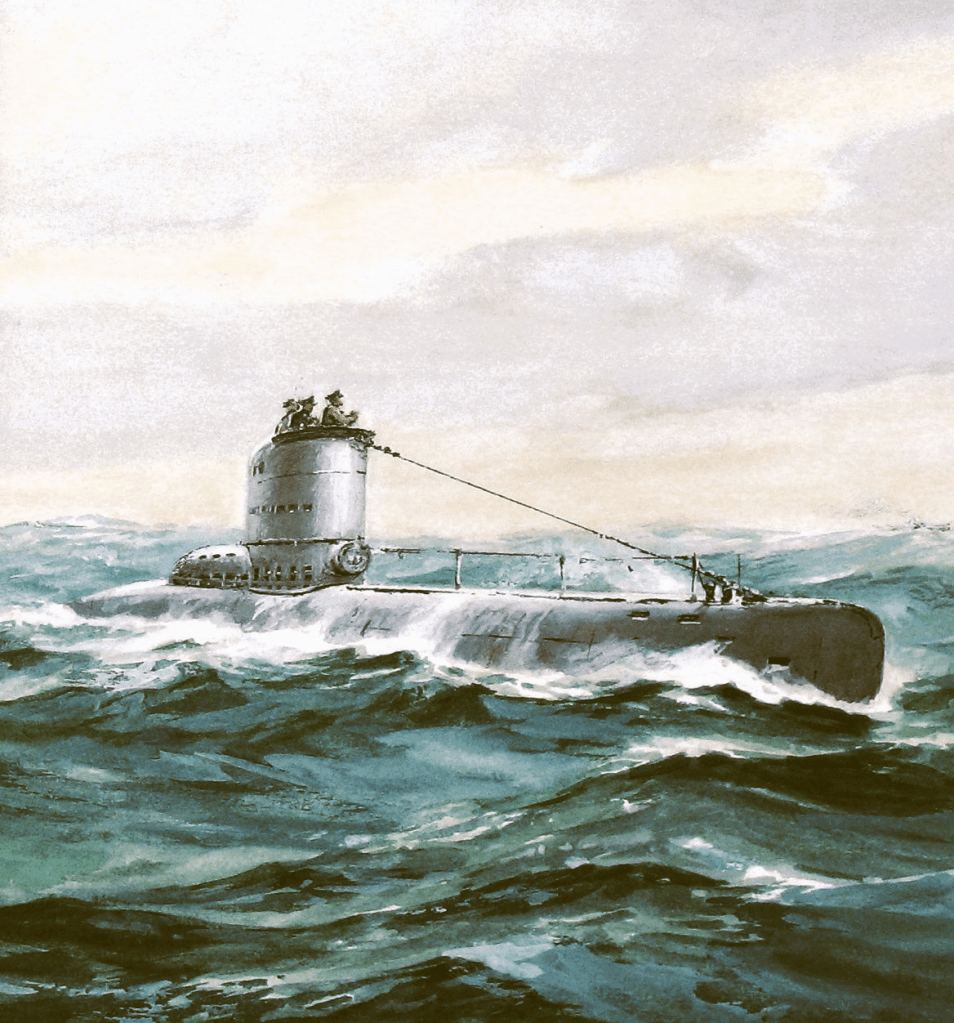
As World War II drew to a close in the spring of 1945, the Axis powers were in full retreat, and the Allied forces had made significant advances across Europe. Yet, even in the final days of the conflict, the Atlantic and surrounding waters remained dangerous for Allied shipping. One of the last naval actions of the war involving German submarines occurred off the coast of Scotland, near the Firth of Forth, and resulted in the sinking of two freighters—an act that would stand as the final offensive by a German U-boat during the war.
On May 7, 1945, mere hours before Germany’s official surrender, U-2336, a Type XXIII U-boat under the command of Oberleutnant zur See Emil Klusmeier, launched a surprise attack in the North Sea. This submarine, a small and modern coastal vessel designed for stealth and efficiency, had slipped past British defenses and made its way into Scottish waters. Despite the futility of further conflict, Klusmeier received no official orders to cease operations and proceeded with his mission.
Near the mouth of the Firth of Forth, U-2336 encountered two Allied merchant vessels: the SS Avondale Park, a Canadian freighter, and the SS Sneland I, a Norwegian ship.
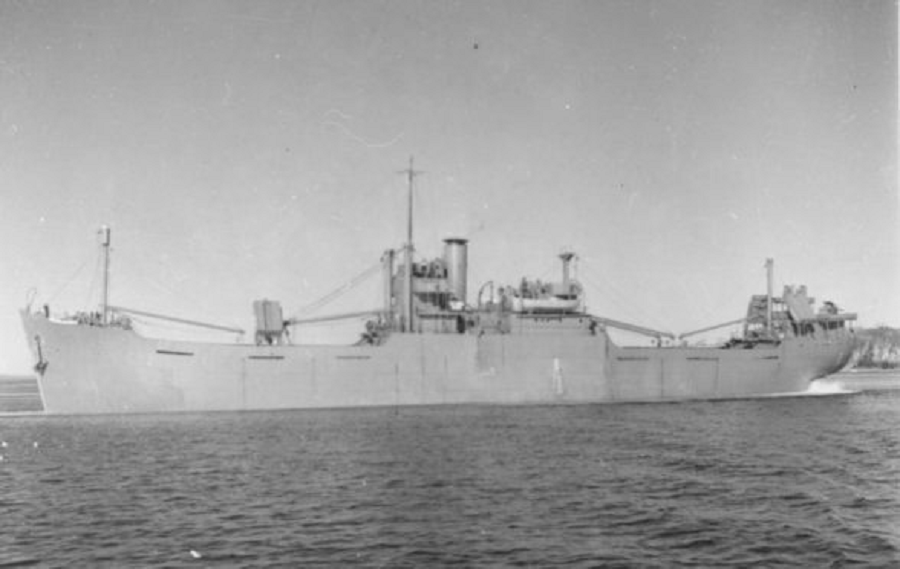
Both were part of the final convoys still navigating British coastal waters. Klusmeier fired torpedoes, and within moments, both ships were struck and quickly sank. This sudden and tragic loss resulted in the deaths of nine crew members from the two vessels, just as peace was dawning across Europe.
Ironically, this attack occurred after Admiral Dönitz, Hitler’s successor, had already ordered German forces to cease hostilities. However, the delay in communication and confusion during Germany’s collapse meant that not all U-boats received the directive in time. U-2336’s torpedo strike was thus not only unnecessary but emblematic of the chaotic and senseless final days of the war.
What makes this incident historically significant is not just its timing—on the very day Germany signed the unconditional surrender—but also its symbolism. It marked the last offensive action taken by the Kriegsmarine (German Navy) and the final casualties in the long and bloody Battle of the Atlantic, a campaign that had claimed tens of thousands of lives since 1939.
Following the attack, U-2336 returned to port and surrendered shortly thereafter, joining the dozens of German submarines that were being rounded up under Operation Deadlight, the Allied plan to scuttle or dismantle surrendered U-boats. The incident left a bitter taste for many who had survived the war, highlighting the tragic cost of war’s final moments.
In retrospect, the sinking of the Avondale Park and Sneland I serves as a poignant reminder of how war often fails to conclude with clean boundaries or perfect coordination. Even as the world celebrated victory in Europe, these final deaths at sea underscored the disarray and lingering danger that accompany the collapse of a regime.
sources
https://uboat.net/boats/u2336.htm
https://en.wikipedia.org/wiki/German_submarine_U-2336
https://www.naval-history.net/WW2CampaignsUboats6.htm
Donation
Your readership is what makes my site a success, and I am truly passionate about providing you with valuable content. I have been doing this at no cost and will continue to do so. Your voluntary donation of $2 or more, if you are able, would be a significant contribution to the continuation of my work. However, I fully understand if you’re not in a position to do so. Your support, in any form, is greatly appreciated. Thank you. To donate, click on the credit/debit card icon of the card you will use. If you want to donate more than $2, just add a higher number in the box left from the PayPal link. Your generosity is greatly appreciated. Many thanks.
$2.00
 History of Sorts
Leave a comment